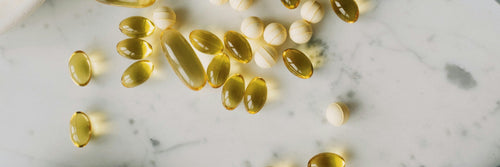


Astaxanthin is a red-orange carotenoid pigment with potent antioxidant activity, naturally produced by the freshwater microalga Haematococcus pluvialis. Through the food chain, it accumulates in the tissues of crustaceans and gives wild salmon, trout, and flamingos their characteristic pink-red coloration. Astaxanthin supplements are promoted for cardiovascular support, skin protection, exercise performance, and anti-inflammatory effects, though the clinical evidence base for most claims remains preliminary -- many studies are small, short, and company-funded.
Table of Contents
- Overview
- Forms and Bioavailability
- Evidence for Benefits
- Recommended Dosing
- Safety and Side Effects
- Drug Interactions
- Dietary Sources
- Frequently Asked Questions
- References
Overview
Astaxanthin is a red-orange carotenoid pigment with potent antioxidant activity, naturally produced by the freshwater microalga Haematococcus pluvialis [1]. Through the food chain, astaxanthin accumulates in the tissues of crustaceans (shrimp, krill, crab, crayfish) and gives wild salmon, trout, and flamingos their characteristic pink-red coloration [1][2]. It can also be produced by fermentation of the red yeast Phaffia rhodozyma or synthesized chemically [1].
Unlike beta-carotene and some other carotenoids, astaxanthin has no provitamin A activity -- it is not converted to vitamin A in the human body and is not classified as an essential nutrient [1][2]. Its molecular structure contains conjugated double bonds and keto and hydroxyl groups on each ionone ring, which give it an antioxidant capacity reported in some in-vitro assays to be 10-fold greater than other carotenoids (beta-carotene, zeaxanthin, lutein, canthaxanthin) and up to 100-fold greater than alpha-tocopherol (vitamin E), though these comparisons are based on laboratory assays and do not directly translate to in-vivo activity in humans [2].
Astaxanthin has been the subject of numerous animal studies and a growing number of human clinical trials, though the evidence base for most health claims remains preliminary. Many human studies are small (n < 100), short in duration (6-12 weeks), company-funded, and some have not been published in peer-reviewed journals. The areas with the most human data include cardiovascular risk markers (triglycerides, HDL cholesterol), skin protection against ultraviolet radiation, exercise performance, and anti-inflammatory/joint health effects [1].
Global demand for astaxanthin has grown substantially, driven primarily by the aquaculture industry (where it is used as a feed pigment) and increasingly by the dietary supplement market. The majority of commercial astaxanthin is synthetic, used in animal feed; the supplement market primarily uses natural astaxanthin from Haematococcus pluvialis cultivation [2].
Forms and Bioavailability
Natural vs. Synthetic Astaxanthin
Astaxanthin supplements are available in two fundamentally different forms: natural (algal-derived) and synthetic. These differ in their stereoisomer composition, esterification status, and potentially in their biological activity and safety profile.
Natural astaxanthin is derived from the microalga Haematococcus pluvialis and predominantly exists in a single stereoisomeric form known as 3S,3S' -- the same isomeric configuration found naturally in krill oil and wild salmon [1]. In algal extracts, astaxanthin is predominantly in an esterified form, meaning it is bonded to one or two fatty acids. Common branded natural astaxanthin ingredients found in supplements include BioAstin (Cyanotech Corporation), AstaREAL (Fuji Health Science / Fuji Chemical Industry), Solasta (Solix), and AstaPure (Algatechnologies Ltd).
Are You Getting Enough Antioxidant Protection?
Astaxanthin is just one of many antioxidants that may support healthy aging. Get a personalized health plan that identifies which supplements are right for your specific needs.
Get Your Personalized Health PlanSynthetic astaxanthin differs from natural astaxanthin in its stereoisomer composition. Because synthesis does not preferentially produce one isomer, synthetic astaxanthin contains a mixture of three stereoisomers: 3S,3S', 3R,3S' (meso), and 3R,3R' in an approximate 1:2:1 ratio. As a result, only about 25% of synthetic astaxanthin is in the 3S,3S' form that predominates in nature [1]. Synthetic astaxanthin also provides astaxanthin in its free (non-esterified) form rather than the esterified form found in algal sources. One synthetic brand available for supplements is AstaSana (DSM) [1].
Bioavailability Comparison
There is preliminary evidence that the free (synthetic) form of astaxanthin may be slightly more bioavailable than the natural esterified form, based on an absorption study in Atlantic salmon (Coral-Hinostroza et al., Comp Biochem Physiol C Toxicol Pharmacol, 2004) [3]. However, both the free and esterified forms can increase blood levels of astaxanthin in humans [1]. Counterbalancing this, in-vitro research suggests the natural esterified form may have greater antioxidant activity than the synthetic free form (Capelli et al., Nutrafoods, 2013) [4].
Safety of Synthetic Astaxanthin
Synthetic astaxanthin appears to be safe in amounts typically used in foods and supplements [1]. However, due to its significantly different stereoisomer composition, some experts argue it should be considered a different chemical compound from natural astaxanthin and that more research is needed to confirm the safety of synthetic astaxanthin specifically in human supplements (Brendler et al., Phytother Res, 2019) [5]. While approved as animal feed, there remain questions about long-term safety when taken directly by humans. Supplement companies have largely opted to use natural astaxanthin until further safety data becomes available [1][6].
Absorption Optimization
Astaxanthin is highly fat-soluble, and its absorption is enhanced by concurrent fat or oil intake. Taking astaxanthin with an oil or fat-containing meal may significantly improve bioavailability (Odeberg et al., Eur J Pharm Sci, 2003; Okada et al., Biosci Biotechnol Biochem, 2009) [7][8]. Almost all commercial astaxanthin softgels are formulated with some form of oil (olive oil, safflower oil, or medium-chain triglycerides), likely to facilitate absorption, though the amounts in capsules are relatively small. Taking astaxanthin with a fat-containing meal is recommended for optimal uptake.
Carotenoid competition: Other carotenoids such as beta-carotene and lycopene may compete with astaxanthin for intestinal absorption, potentially reducing astaxanthin uptake (Nutr Rev, 1999) [9]. If supplementing with multiple carotenoids, taking them several hours apart may improve absorption of each.
Mineral interactions: High doses of divalent minerals (calcium, magnesium, certain forms of iron, zinc) from supplements may decrease the absorption of astaxanthin and other carotenoids. This is likely due to a chemical interaction between carotenoids and divalent mineral ions that makes the carotenoids less bioavailable (Corte-Real et al., Food Chem, 2016; Borel et al., Br J Nutr, 2017) [10][11]. It is best to take astaxanthin (or any carotenoid supplement) at a different time of day than a supplement or meal containing large amounts (hundreds of milligrams) of minerals.
Storage and Stability
Most astaxanthin is sold in softgels, which minimize exposure to oxygen and help maintain stability at room temperature. Astaxanthin can degrade with exposure to heat, light, and oxygen [12].
Evidence for Benefits
Triglycerides and HDL Cholesterol
Some animal studies suggest astaxanthin may have cardiovascular benefits such as lowering cholesterol or blood pressure; however, evidence in humans is limited and inconsistent.
Positive trial -- Yoshida et al., 2010: A company-funded (Fuji Chemical Industry) RCT among 61 healthy men and women (average age 44 years) with normal to high-normal triglyceride levels randomized participants to 12 mg/day, 18 mg/day, or placebo of astaxanthin from Haematococcus pluvialis (AstaREAL) for 12 weeks. Both the 12 mg and 18 mg doses reduced triglyceride levels by an average of approximately 38 mg/dL compared to placebo. However, neither dose lowered total cholesterol, LDL cholesterol, fasting blood sugar, or blood pressure compared to placebo. Interestingly, the 12 mg dose significantly increased HDL ("good") cholesterol compared to placebo, but the 18 mg dose did not -- a paradoxical dose-response that remains unexplained. The study did not report side effects or adverse events (Yoshida et al., Atherosclerosis, 2010) [13].
Negative trial -- Choi et al., 2011: A separate RCT among overweight adults in South Korea found that 20 mg/day of astaxanthin taken daily did not lower triglycerides, LDL cholesterol, or total cholesterol compared to placebo. The study reported that LDL was lowered by 10.4% from baseline in the astaxanthin group, but this change was not statistically significant relative to the change observed in the placebo group (Choi et al., Plant Foods Hum Nutr, 2011) [14].
Synthesis: The evidence for astaxanthin's effect on blood lipids is inconsistent. One positive trial showed a triglyceride reduction of approximately 38 mg/dL at 12-18 mg/day, but this was company-funded and not replicated in the second trial. The paradoxical HDL finding (12 mg effective, 18 mg not) and the negative 20 mg trial in a different population raise questions about reliability. More independent, well-powered trials are needed before astaxanthin can be recommended for cardiovascular lipid management.
Anti-Inflammatory Effects
There is some evidence that astaxanthin has anti-inflammatory properties, possibly through inhibition of cyclooxygenase-2 (COX-2) and other pro-inflammatory mediators in the body (Choi et al., J Microbiol Biotechnol, 2008) [15].
Rheumatoid arthritis -- unpublished conference data: According to a summary published by a company marketing astaxanthin (BioAstin), a small study in adults with rheumatoid arthritis found that a formula providing 4 mg of astaxanthin along with lutein, vitamin A, vitamin E, and safflower oil taken three times daily with meals for 2 months reduced self-reported pain by approximately 40% compared to placebo. This study was apparently presented at a scientific conference in 2002 but does not appear to have been published in a peer-reviewed journal [1]. The combination of multiple active ingredients also makes it impossible to attribute the benefit specifically to astaxanthin.
Carpal tunnel syndrome: Astaxanthin has not been found to reduce pain in carpal tunnel syndrome (MacDermid et al., Hand, 2012) [16].
Joint Health (Osteoarthritis)
Hill et al., 2023 -- combination product: A 12-week RCT conducted in South Korea enrolled 75 people (average age 58 years) with mild osteoarthritis of the knee or hip. Participants received either 600 mg capsules of FlexPro MD (a combination product containing 2 mg astaxanthin [Zanthin Natural Astaxanthin by Valensa International], 321 mg Antarctic krill oil [Superba by Aker BioMarine], and 30 mg hyaluronic acid [Flexonic by Valensa International]) or placebo (palm, olive, and soybean oil with beeswax) daily for 12 weeks. The FlexPro MD group showed significantly greater reduction in self-reported joint pain compared to placebo (-20.8 vs. -10.6 on a scale of 0 to 100). However, there was no significant between-group difference in joint pain after only 6 weeks, and the study was sponsored by Novarex, a partner of Valensa International (Hill et al., Nutrients, 2023) [17].
Limitations: The combination product design (astaxanthin + krill oil + hyaluronic acid) makes it impossible to determine which component(s) drove the benefit. Krill oil provides omega-3 fatty acids with independent anti-inflammatory effects, and hyaluronic acid has its own joint health evidence base.
Exercise Performance and Recovery
Laboratory and animal studies suggest astaxanthin may improve exercise and sports performance through its antioxidant and mitochondrial effects; however, studies in people have shown mixed results (Belviranli, Antioxidants in Sport Nutrition, 2015) [18].
Positive -- endurance/strength (Malmsten, 2008): A placebo-controlled study in Sweden found that 4 mg/day of astaxanthin (AstaREAL), taken with a meal, increased endurance and strength in young men as evidenced by a significant increase in knee-bends that could be performed after 6 months of supplementation during which the men exercised normally (Malmsten et al., Carotenoid Sci, 2008) [19]. The long supplementation period (6 months) and modest dose (4 mg) are notable.
Positive -- cycling time trial (Earnest, 2011): A small study among competitive cyclists found that those who took 4 mg of astaxanthin with a meal daily for one month had significant improvements in the time required to complete a 20-kilometer timed trial test compared to those who took placebo (Earnest et al., Nutrition, 2011) [20].
Negative -- cycling time trial (Res, 2013): Another study in well-trained cyclists found that 20 mg of astaxanthin taken daily for one month did not improve timed trial performance (Res et al., Med Sci Sports Exerc, 2013) [21]. This higher dose (5 times the amount used in the positive Earnest study) failed to show benefit, raising questions about the dose-response relationship.
Positive -- muscle damage markers (Djordjevic, 2012): A study among 32 elite male soccer players found that 4 mg of astaxanthin taken daily for 3 months modestly reduced blood markers of muscle damage (creatine kinase and aspartate aminotransferase) following a two-hour session of intense exercise, compared to placebo (Djordjevic et al., J Sports Med Phys Fitness, 2012) [22]. This suggests a potential protective effect against exercise-induced muscle damage, though subjective performance was not significantly affected.
Negative -- resistance exercise (Bloomer, 2005): A study did not find astaxanthin (4 mg daily from BioAstin) to improve muscle performance or reduce soreness any more than placebo in resistance-trained men (Bloomer et al., Int J Sport Nutr Exerc Metab, 2005) [23].
Important caveat -- antioxidants and training adaptations: Other antioxidants, such as resveratrol, vitamin E, and vitamin C, have been shown to impede gains in exercise performance when taken during training programs [1]. The mechanism likely involves blunting the reactive oxygen species (ROS) signaling that drives mitochondrial biogenesis and other exercise adaptations. This concern may apply to astaxanthin as well, and athletes should weigh the potential benefits of reduced muscle damage against the possibility of impaired training adaptations.
Synthesis: The exercise evidence for astaxanthin is genuinely mixed. Two studies at 4 mg/day showed endurance benefits, but one used a 6-month protocol and the other was small. One study at 20 mg/day (5x the dose) found no cycling performance benefit. The muscle damage marker reduction is interesting but does not necessarily translate to functional performance gains. Combined with the theoretical concern about antioxidants blunting training adaptations, the evidence does not strongly support astaxanthin supplementation for exercise performance.
Skin Protection and UV Defense
Laboratory research suggests astaxanthin may protect against ultraviolet (UV) light-induced damage in human skin cells (Lyons et al., J Dermatol Sci, 2002) [24].
Sunburn protection -- patent application (2002): According to a 2002 patent application, an oral daily dose of 4 mg (2 mg twice a day, with meals) was reported to reduce sunburn in two people [1]. This is essentially anecdotal (n=2) and cannot be considered clinical evidence.
Sunburn protection -- unpublished study (Cyanotech): A study among 21 individuals found that 4 mg of astaxanthin (BioAstin, Cyanotech) taken for 2 weeks increased the minimal erythema dose (MED) -- the amount of UV energy required from a sunlight simulator to burn the skin -- by 20%. However, the effect varied substantially between individuals, ranging from no effect to a large effect. The study was funded by Cyanotech and does not appear to have been published in a peer-reviewed journal [1].
Sunburn protection -- Ito et al., 2018 (published): A more rigorous study in Japan among 22 adults (average age 43 years) found that 4 mg of astaxanthin (ASTOTS, FUJIFILM) taken daily for 9 weeks modestly increased the minimal erythema dose (UV energy required to burn) compared to placebo. Those who took astaxanthin also reported significant improvements in self-assessed skin roughness and texture compared to placebo. However, there was no improvement in self-reported skin clarity, youthfulness, or wrinkles around the eyes or nose. No adverse effects were reported, and there were no changes in blood levels of cholesterol, triglycerides, liver enzymes, or blood cell counts (Ito et al., Nutrients, 2018) [25].
Wrinkle Reduction
Tominaga et al., 2012: A small company-funded (Fuji Chemical Industry) RCT among healthy men ages 20 to 60 found that 6 mg of astaxanthin (as 3 mg twice daily; AstaREAL) taken for 6 weeks significantly reduced the area of wrinkled skin around the eye (crow's feet), but did not reduce the depth of the wrinkles compared to placebo (Tominaga et al., Acta Biochim Pol, 2012) [26].
Synthesis: The skin evidence suggests astaxanthin at 4-6 mg/day may provide modest UV protection and minor cosmetic skin benefits (texture, wrinkle area). The effects are small and variable between individuals. Astaxanthin should not be considered a replacement for topical sunscreen, which provides far more reliable and substantial UV protection.
Eye Health and Visual Acuity
Sekikawa et al., 2022: A small trial in Japan among 59 men and women aged 20 to 64 with average corrected vision and high risk of eye fatigue due to regular computer use found that 9 mg of astaxanthin (provided and funded by BGG Japan Co.) taken once daily with water during or after breakfast for 6 weeks slightly improved visual acuity of the dominant eye after a 60-minute video game session among those aged 40 or older compared to placebo. However, there was no significant improvement when the visual acuity of both eyes was averaged together. There were no improvements in visual acuity in those younger than age 40, and no improvements in self-reported quality of life among any of the participants (Sekikawa et al., J Clin Biochem Nutr, 2022) [27].
Cataracts and macular degeneration: There is insufficient evidence to support the use of astaxanthin supplements for cataracts or age-related macular degeneration [1].
Synthesis: The eye health evidence for astaxanthin is very limited. The only published human trial showed a modest, subgroup-specific benefit (dominant eye only, in those over 40 only) that was not significant when both eyes were analyzed together. This does not provide a compelling basis for recommending astaxanthin for eye health.
Male Fertility
There is insufficient evidence to support the use of astaxanthin supplements for male infertility [1]. While some in-vitro and animal studies have explored astaxanthin's potential effects on sperm quality through its antioxidant mechanism, no well-designed human trials have demonstrated clinical benefit.
Recommended Dosing
Optimal dosing of astaxanthin for specific uses has not been established. Doses used in clinical studies have generally ranged from 4 mg to 18 mg daily, with different dose ranges used for different indications [1].
| Indication | Dose Used in Studies | Duration | Notes |
|---|---|---|---|
| Exercise performance / endurance | 4 mg/day | 1-6 months | Lower doses used in all positive exercise trials [19][20][22] |
| Skin protection / UV defense | 4 mg/day | 2-9 weeks | Consistent across skin studies [25][26] |
| Wrinkle reduction (cosmetic) | 6 mg/day (3 mg twice daily) | 6 weeks | Reduced wrinkle area but not depth [26] |
| Eye fatigue / visual acuity | 9 mg/day | 6 weeks | Limited to dominant eye in those aged 40+ [27] |
| Triglyceride reduction | 12-18 mg/day | 12 weeks | Single positive trial; 20 mg was ineffective in another trial [13][14] |
| Joint health (combination product) | 2 mg/day (with krill oil and HA) | 12 weeks | Cannot isolate astaxanthin's contribution [17] |
How to Take Astaxanthin
- With fat: Astaxanthin is fat-soluble and should be taken with a meal containing fats or oils for optimal absorption [7][8].
- Separate from other carotenoids: Beta-carotene and lycopene may compete with astaxanthin for absorption. If taking multiple carotenoid supplements, take them several hours apart [9].
- Separate from high-dose mineral supplements: Calcium, magnesium, iron, and zinc at high doses (hundreds of milligrams) may reduce carotenoid absorption. Take astaxanthin at a different time of day from mineral-heavy supplements [10][11].
Safety and Side Effects
General Safety Profile
Natural astaxanthin from Haematococcus pluvialis extract is GRAS (generally recognized as safe) when used in foods in amounts below 6-7 mg per day [1]. As a supplement, it is considered safe when taken in daily doses ranging from 2 to 24 mg daily [1]. No serious adverse effects have been reported in clinical studies at doses up to 24 mg/day. The safety profile appears favorable in the short to medium term (up to 12 weeks in most studies).
Reported Side Effects
- Gastrointestinal effects: Increased bowel movements and red-colored stool have been reported at a daily dose of 20 mg (Choi et al., Plant Foods Hum Nutr, 2011) [14]. A single dose of 48 mg has also been reported to cause red-colored stool (Okada et al., Biosci Biotechnol Biochem, 2009) [8].
- No other adverse effects have been reported in clinical studies [1].
Long-Term Safety
Due to the limited number and short duration of human studies, the long-term safety of astaxanthin supplementation has not been established. Safe doses in pregnant or nursing women, young children, and individuals with severe liver or kidney disease have not been determined [1].
Hormonal Considerations (Gynecomastia Concern)
A theoretical concern has been raised that astaxanthin may increase the risk of breast enlargement in men (gynecomastia). The basis for this concern is that astaxanthin can block the enzyme 5-alpha-reductase, which converts testosterone to dihydrotestosterone (DHT). By blocking this conversion, astaxanthin could increase free testosterone levels. Since testosterone is also converted to estradiol (an estrogen) by aromatase, there is a theoretical pathway by which astaxanthin could increase estradiol levels and contribute to gynecomastia [1].
However, clinical evidence has not supported this concern. A study in healthy men found that taking a combination of astaxanthin and saw palmetto berry extract (Mytosterone, Triarco Industries -- which funded the study) daily for two weeks did not increase estradiol levels. In fact, those taking a 2,000 mg daily dose of the combination showed a decrease in estradiol levels. In laboratory studies, astaxanthin has been shown to also block the enzyme aromatase (which converts testosterone to estradiol), which may explain why estradiol did not increase (Angwafor et al., J Int Soc Sports Nutr, 2008) [28].
Cancer Therapy Considerations
Individuals undergoing cancer therapy should consult with their physician before taking astaxanthin supplements, as other antioxidant supplements have been associated with poorer survival when taken during chemotherapy and radiation therapy [1].
Of particular note, an animal study found a paradoxical effect of astaxanthin on breast cancer: astaxanthin slowed the growth of breast cancer cells into a tumor when given before tumor formation, but giving astaxanthin after a tumor had already formed actually increased the speed of tumor growth (Nakao et al., Anticancer Res, 2010) [29]. This finding -- while in mice, not humans -- underscores the importance of caution with antioxidant supplementation during active cancer treatment.
Allergen Considerations
Although astaxanthin is a component of crustaceans such as shrimp, astaxanthin supplements are unlikely to cause allergic reactions in people with seafood allergies. This is because supplement-grade astaxanthin is produced synthetically or derived from microalgae (Haematococcus pluvialis) or yeast (Phaffia rhodozyma), not from crustaceans. The European Food Safety Authority noted in its assessment that no allergic reactions to Haematococcus pluvialis microalgae have been reported in the literature (EFSA Panel on Dietetic Products, EFSA Journal, 2014) [30]. No reports of allergic reactions to yeast-derived astaxanthin in seafood-sensitized individuals have been identified. However, people with any allergy should still carefully check product labels, as some astaxanthin products may contain other allergens such as fish oil or soy [1].
Drug Interactions
No specific drug interactions with astaxanthin have been reported in the clinical literature [1]. However, given the limited scope of human research, caution is warranted in several situations:
- Anticoagulants/antiplatelets: Due to astaxanthin's mild anti-inflammatory activity (COX-2 inhibition), there is a theoretical interaction with blood-thinning medications, though this has not been clinically documented.
- Cancer chemotherapy and radiation therapy: As noted in Safety and Side Effects, antioxidant supplements as a class have been associated with reduced efficacy of some cancer treatments. Patients undergoing cancer therapy should consult their oncologist before using astaxanthin [1][29].
- 5-alpha-reductase inhibitors (finasteride, dutasteride): Astaxanthin has been shown to inhibit 5-alpha-reductase in laboratory studies [28]. Theoretically, combining astaxanthin with pharmaceutical 5-alpha-reductase inhibitors could produce additive effects, though this has not been studied clinically.
- Hormone therapies: Given astaxanthin's effects on testosterone metabolism pathways (5-alpha-reductase and aromatase inhibition), caution may be appropriate when combining with testosterone replacement therapy, anti-estrogen medications, or other hormonal treatments.
- Mineral supplements: While not a drug interaction per se, high-dose mineral supplements (calcium, magnesium, iron, zinc) taken simultaneously with astaxanthin may reduce its absorption [10][11].
Dietary Sources
Astaxanthin is found naturally in seafood, with concentrations varying substantially by species, whether the fish is wild or farmed, and how it is prepared.
Astaxanthin Content in Common Foods
| Food | Serving | Approximate Astaxanthin | Notes |
|---|---|---|---|
| Wild Pacific salmon (sockeye) | 4 oz (113 g) | ~4.5 mg | Highest natural dietary source [2] |
| Farmed Atlantic salmon | 4 oz (113 g) | ~1 mg | Fed synthetic astaxanthin in feed [2] |
| Wild coho salmon | 4 oz (113 g) | ~2-3 mg | Variable by season and location |
| Rainbow trout | 4 oz (113 g) | ~0.5-1 mg | Lower than salmon |
| Shrimp | 4 oz (113 g) | <1 mg | Primarily in shell |
Effects of Cooking and Processing
Astaxanthin may degrade during cooking due to high heat and exposure to oxygen (Zhou et al., IOPScience, 2018) [12]. This helps explain why canned or pouched salmon, which is typically cooked to 235 degrees F or higher during processing, has been found to contain less astaxanthin than fresh salmon (Lu et al., Food Chem, 2025; Tsironi et al., Ref Mod Food Sci, 2019) [31][32].
However, a laboratory study showed that cooking salmon to 160 degrees F -- which is slightly higher than the USDA-recommended salmon cooking temperature of 145 degrees F -- did not significantly affect astaxanthin content (Lu et al., Food Chem, 2025) [31]. This suggests that normal home cooking temperatures preserve most of the astaxanthin in salmon, while the high temperatures used in commercial canning and retort processing do cause significant degradation.
Practical Implications
For those seeking dietary astaxanthin, wild Pacific salmon (especially sockeye) is the richest readily available food source, providing approximately 4.5 mg per 4-ounce serving -- comparable to a common supplement dose. Consuming salmon 2-3 times per week would provide a meaningful astaxanthin intake alongside the additional benefits of omega-3 fatty acids (EPA and DHA) and high-quality protein. Farmed salmon provides less astaxanthin (approximately 1 mg per serving) and the astaxanthin used in aquaculture feed is typically synthetic.
Frequently Asked Questions
Is natural or synthetic astaxanthin better?
The supplement market overwhelmingly uses natural astaxanthin from Haematococcus pluvialis, and this is the form used in virtually all human clinical trials. While synthetic astaxanthin may be slightly more bioavailable [3], natural astaxanthin may have greater antioxidant activity [4]. Due to structural differences (synthetic has three stereoisomers vs. predominantly one in natural), some experts have called for additional safety research on synthetic astaxanthin in human supplements [5]. Until such data is available, natural astaxanthin is the more evidence-supported choice.
Can astaxanthin replace sunscreen?
No. While small studies suggest astaxanthin at 4 mg/day may modestly increase the UV dose required to burn skin [25], the effect is much smaller and less reliable than topical sunscreen. Astaxanthin should be considered at best a minor complementary measure, not a replacement for broad-spectrum SPF protection.
Should I take astaxanthin for exercise performance?
The evidence is mixed and does not strongly support it. Some studies show modest benefits at 4 mg/day for endurance [19][20], while others show no benefit at higher doses [21][23]. Additionally, like other antioxidants (vitamin C, vitamin E, resveratrol), astaxanthin may potentially blunt exercise adaptations by reducing the ROS signaling needed for mitochondrial biogenesis.
Does astaxanthin lower cholesterol?
One trial found 12-18 mg/day reduced triglycerides by approximately 38 mg/dL and 12 mg increased HDL [13], but another trial at 20 mg/day found no lipid benefits [14]. The evidence is insufficient to recommend astaxanthin for cholesterol management.
Is astaxanthin safe long-term?
Short-term safety (up to 12 weeks) at doses of 2-24 mg/day appears good, with no serious adverse effects reported. However, long-term safety data is lacking. The most common complaint at higher doses (20 mg) is GI effects including increased bowel movements and red-colored stool [14].
Does astaxanthin affect testosterone?
Astaxanthin inhibits 5-alpha-reductase (which converts testosterone to DHT) in laboratory studies, which could theoretically increase free testosterone. However, clinical evidence suggests it also inhibits aromatase (which converts testosterone to estrogen), and a human study found no increase in estradiol [28]. The net hormonal effect in humans at typical supplement doses is likely negligible.
Are You Getting Enough Antioxidant Protection?
Astaxanthin is just one of many antioxidants that may support healthy aging. Get a personalized health plan that identifies which supplements are right for your specific needs.
Get Your Personalized Health PlanReferences
1. ConsumerLab. "Astaxanthin Supplements Review." Accessed 2025. https://www.consumerlab.com/reviews/astaxanthin-supplements-review/astaxanthin/
2. Ambati RR, Phang SM, Ravi S, Aswathanarayana RG. "Astaxanthin: sources, extraction, stability, biological activities and its commercial applications -- a review." Mar Drugs. 2014;12(1):128-152. https://doi.org/10.3390/md12010128
3. Coral-Hinostroza GN, Ytrestoyl T, Ruyter B, Bjerkeng B. "Plasma appearance of unesterified astaxanthin geometrical E/Z and optical R/S isomers in men given single doses of a mixture of optical 3 and 3'R/S isomers of astaxanthin fatty acyl diesters." Comp Biochem Physiol C Toxicol Pharmacol. 2004;139(1-3):99-110.
4. Capelli B, Bagchi D, Cysewski GR. "Synthetic astaxanthin is significantly inferior to algal-based astaxanthin as an antioxidant and may not be suitable as a human nutraceutical supplement." Nutrafoods. 2013;12:145-152.
5. Brendler T, Williamson EM. "Astaxanthin: How much is too much? A safety review." Phytother Res. 2019;33(12):3029-3044. https://doi.org/10.1002/ptr.6514
6. NutraIngredients. "Synthetic astaxanthin for human supplements: industry perspectives." 2019.
7. Odeberg JM, Lignell A, Pettersson A, Hoglund P. "Oral bioavailability of the antioxidant astaxanthin in humans is enhanced by incorporation of lipid based formulations." Eur J Pharm Sci. 2003;19(4):299-304.
8. Okada Y, Ishikura M, Maoka T. "Bioavailability of astaxanthin in Haematococcus algal extract: the effects of timing of diet and smoking habits." Biosci Biotechnol Biochem. 2009;73(9):1928-1932.
9. "Carotenoid-carotenoid interactions." Nutr Rev. 1999;57(5 Pt 1):162.
10. Corte-Real J, Iddir M, Soukoulis C, et al. "Effect of divalent cations on lipid bioaccessibility and on the accumulation (transport and uptake) of carotenoids in differentiated Caco-2 cells." Food Chem. 2016;197(Pt A):546-553.
11. Borel P, Desmarchelier C. "Bioavailability of fat-soluble vitamins and phytochemicals in humans: effects of genetic variation." Br J Nutr. 2017;29:1-16.
12. Zhou Q, Yang LL, Xu J, et al. "Evaluation of the physicochemical stability and digestibility of microencapsulated astaxanthin." IOPScience. 2018.
13. Yoshida H, Yanai H, Ito K, et al. "Administration of natural astaxanthin increases serum HDL-cholesterol and adiponectin in subjects with mild hyperlipidemia." Atherosclerosis. 2010;209(2):520-523. https://doi.org/10.1016/j.atherosclerosis.2009.10.012
14. Choi HD, Kim JH, Chang MJ, Kyu-Youn Y, Shin WG. "Effects of astaxanthin on oxidative stress in overweight and obese adults." Plant Foods Hum Nutr. 2011;66(4):363-369. https://doi.org/10.1007/s11130-011-0258-9
15. Choi SK, Park YS, Choi DK, Chang HI. "Effects of astaxanthin on the production of NO and the expression of COX-2 and iNOS in LPS-stimulated BV2 microglial cells." J Microbiol Biotechnol. 2008;18(12):1990-1996.
16. MacDermid JC, Bhatt M, Engel I. "The effect of astaxanthin supplementation on symptoms of carpal tunnel syndrome." Hand (N Y). 2012;7(1):55-59.
17. Hill CL, March LI, Aitken D, et al. "A randomized, double-blind, placebo-controlled trial of a nutraceutical supplement (FlexPro MD) for joint health." Nutrients. 2023;15(7):1590. https://doi.org/10.3390/nu15071590
18. Belviranli M, Okudan N. "Well-known antioxidants and newcomers in sport nutrition: coenzyme Q10, quercetin, resveratrol, pterostilbene, pycnogenol and astaxanthin." In: Lamprecht M, ed. Antioxidants in Sport Nutrition. CRC Press/Taylor & Francis; 2015.
19. Malmsten CL, Lignell A. "Dietary supplementation with astaxanthin-rich algal meal improves strength endurance -- a double blind placebo controlled study on male students." Carotenoid Sci. 2008;13:20-22.
20. Earnest CP, Lupo M, White KM, Church TS. "Effect of astaxanthin on cycling time trial performance." Int J Sports Med. 2011;32(11):882-888. https://doi.org/10.1055/s-0031-1280779
21. Res PT, Cermak NM, Stinkens R, et al. "Astaxanthin supplementation does not augment fat use or improve endurance performance." Med Sci Sports Exerc. 2013;45(6):1158-1165. https://doi.org/10.1249/MSS.0b013e31827fddc4
22. Djordjevic B, Baralic I, Kotur-Stevuljevic J, et al. "Effect of astaxanthin supplementation on muscle damage and oxidative stress markers in elite young soccer players." J Sports Med Phys Fitness. 2012;52(4):382-392.
23. Bloomer RJ, Fry A, Schilling B, Chiu L, Hori N, Weiss L. "Astaxanthin supplementation does not attenuate muscle injury following eccentric exercise in resistance-trained men." Int J Sport Nutr Exerc Metab. 2005;15(4):401-412.
24. Lyons NM, O'Brien NM. "Modulatory effects of an algal extract containing astaxanthin on UVA-irradiated cells in culture." J Dermatol Sci. 2002;30(1):73-84.
25. Ito N, Seki S, Ueda F. "The protective role of astaxanthin for UV-induced skin deterioration in healthy people -- a randomized, double-blind, placebo-controlled trial." Nutrients. 2018;10(7):817. https://doi.org/10.3390/nu10070817
26. Tominaga K, Hongo N, Karato M, Yamashita E. "Cosmetic benefits of astaxanthin on human subjects." Acta Biochim Pol. 2012;59(1):43-47.
27. Sekikawa T, Kizawa Y, Li Y, Takara T, Takahashi J, Ariyoshi A. "Effects of astaxanthin supplementation on accommodative recovery." J Clin Biochem Nutr. 2022;71(1):58-64. https://doi.org/10.3164/jcbn.21-125
28. Angwafor F 3rd, Anderson ML. "An open label, dose response study to determine the effect of a dietary supplement on dihydrotestosterone, testosterone and estradiol levels in healthy males." J Int Soc Sports Nutr. 2008;5:12. https://doi.org/10.1186/1550-2783-5-12
29. Nakao R, Nelson OL, Park JS, Mathison BD, Thompson PA, Chew BP. "Effect of astaxanthin supplementation on inflammation and cardiac function in BALB/c mice." Anticancer Res. 2010;30(7):2721-2725.
30. EFSA Panel on Dietetic Products, Nutrition and Allergies. "Scientific opinion on the safety of astaxanthin-rich ingredients (AstaREAL L10, AstaREAL L50) as novel food ingredients." EFSA Journal. 2014;12(7):3757. https://doi.org/10.2903/j.efsa.2014.3757
31. Lu X, et al. "Astaxanthin stability and content in salmon as affected by cooking method and temperature." Food Chem. 2025.
32. Tsironi TN, et al. "Thermal processing of seafood." In: Reference Module in Food Science. Elsevier; 2019.