

Iron is an essential mineral required in small amounts for a wide range of critical physiological functions. It is a core component of hemoglobin, the erythrocyte (red blood cell) protein responsible for transporting oxygen from the lungs to tissues throughout the body [1][2]. Iron also forms part of myoglobin, a protein that provides oxygen to muscle tissue, supporting muscle metabolism and healthy connective tissue [2]. Beyond oxygen transport, iron is necessary for physical growth, neurological development, cellular functioning, the synthesis of certain hormones, and the conversion of thyroid hormones — specifically, the conversion of thyroxine (T4) into the biologically active triiodothyronine (T3) [2][3][4].
The human body contains approximately 3 to 4 grams of elemental iron, most of which resides in hemoglobin [2]. The remainder is stored as ferritin or hemosiderin in the liver, spleen, and bone marrow, or is present in the myoglobin of muscle tissue [1][2]. Transferrin is the primary transport protein that binds iron and distributes it throughout the body. Iron losses are normally small — through urine, feces, sweat, and shed skin cells — but losses increase substantially in menstruating women due to blood loss [2]. Hepcidin, a circulating peptide hormone produced in the liver, is the key regulator of both iron absorption and distribution throughout the body [2][5].
Iron deficiency is the most common nutritional deficiency worldwide. The World Health Organization estimates that approximately half of the 1.62 billion cases of anemia worldwide are due to iron deficiency [7]. Among females aged 12-21 in the United States, an estimated 39% are iron deficient and 6% have iron deficiency anemia [8]. Even mild deficiency — too mild to cause anemia — can cause fatigue, impair cognitive function, and reduce exercise performance [8][9].
Table of Contents
- Overview
- Forms and Bioavailability
- Evidence for Benefits
- Recommended Dosing
- Safety and Side Effects
- Drug Interactions
- Dietary Sources
- References
Overview
Dietary Iron: Heme vs. Nonheme
Dietary iron exists in two main forms [1][2]:
- Heme iron: Found in meat, seafood, and poultry. Forms when iron combines with protoporphyrin IX. Contributes approximately 10-15% of total iron intake in Western diets but has substantially higher bioavailability (approximately 15-35% absorption) [2][6].
- Nonheme iron: Found in plants, iron-fortified foods, and also in animal products alongside heme iron. Absorption rates are lower (approximately 2-20%) and are more heavily influenced by dietary enhancers and inhibitors [2][6].
The bioavailability of iron from mixed diets containing substantial amounts of meat, seafood, and vitamin C is approximately 14-18%, compared with 5-12% from vegetarian diets [2][6].
Assessing Iron Status
Iron status is assessed using several laboratory markers [2][9]:
- Serum ferritin: The most efficient and cost-effective test for diagnosing iron deficiency. A value below 30 mcg/L suggests iron deficiency; below 10 mcg/L suggests iron deficiency anemia [9][10]. However, ferritin is an acute-phase reactant and can be elevated by inflammation [9].
- Hemoglobin and hematocrit: The most commonly used screening measures, though they are neither sensitive nor specific. Hemoglobin below 11 g/dL in children under 10, or below 12 g/dL in individuals aged 10 and older, suggests iron deficiency anemia [9].
- Transferrin saturation: Calculated in part from serum iron levels. Declines during iron-deficient erythropoiesis [9].
Iron deficiency progresses through three stages [2][9]:
- Storage iron depletion (mild deficiency): Serum ferritin and bone marrow iron decrease, but hemoglobin remains normal.
- Iron-deficient erythropoiesis (marginal deficiency): Iron stores are depleted and transferrin saturation declines, but hemoglobin levels remain within normal range.
- Iron deficiency anemia (IDA): Iron stores are exhausted, hemoglobin and hematocrit decline. Red blood cells become small (microcytic) and pale (hypochromic).
Are Your Iron Levels Optimized?
Iron status affects energy, cognition, and thyroid function. Get personalized supplement recommendations based on your health profile with the free Health Roadmap.
Get Your Personalized Health PlanSymptoms of Iron Deficiency
Symptoms range from mild to severe and include easy fatigability, weakness, lethargy, shortness of breath, dizziness, headache, coldness of hands and feet, pale skin, chest pain, irregular heartbeats, brittle nails, hair loss, swelling or soreness of the tongue, and frequent infections [8][9]. More distinctive symptoms include:
- Restless legs syndrome — strongly associated with low iron/ferritin levels [8]
- Pica — compulsive eating of non-nutritive substances such as ice, dirt, chalk, or clay (estimated in 11-55% of iron-deficient individuals) [8]
- Tinnitus — a study of over 100,000 women in Taiwan found iron deficiency anemia was associated with a 278% increased risk of new-onset tinnitus (Hung, Front Nutr 2025) [8]
- Difficulty swallowing — particularly in Plummer-Vinson syndrome [8]
Prevalence
- 39% of U.S. females aged 12-21 are iron deficient (Weyland, JAMA 2023) [8]
- 7.43% of U.S. women aged 25+ are iron deficient (Barton, JAMA Netw Open 2024) [8]
- 6.7% of U.S. children aged 1-5 are iron deficient; 11% among Mexican-American children [8]
- ~5% of women and ~2% of men have iron deficiency anemia [8]
- 29% of men are at risk for iron excess [8]
Forms and Bioavailability
Not all iron supplements are equivalent. The form determines elemental iron content, bioavailability, and gastrointestinal tolerance.
Comparison Table
| Form | Elemental Iron (%) | Relative Absorption | GI Side Effects | Notes |
|---|---|---|---|---|
| Ferrous Sulfate | 20% | High | Moderate-High | Most studied form. Inexpensive. Standard in clinical trials [2][11]. |
| Ferrous Fumarate | 33% | High | Moderate-High | Highest elemental iron per gram. Common in prenatal supplements [2][11]. |
| Ferrous Gluconate | 12% | Moderate-High | Moderate | Lower elemental iron but generally well tolerated [2][11]. |
| Ferrous Bisglycinate | ~20% | High | Low | Chelated to glycine. Better tolerated than ferrous sulfate. Less affected by food inhibitors [11][12]. |
| Ferric Citrate | Variable | Moderate | Low-Moderate | Ferric (Fe3+) forms generally less bioavailable than ferrous (Fe2+) [2][11]. |
| Ferric Maltol (Accrufer) | Variable | Moderate | Low | Prescription-only. Studied in IBD patients intolerant of other forms [8][13]. |
| Heme Iron Polypeptide | Variable | High | Low | Derived from animal hemoglobin. Less affected by dietary inhibitors [11]. |
| Carbonyl Iron | ~98% | Gradual | Low-Moderate | Pure elemental iron absorbed slowly. Lower acute toxicity risk [11]. |
| Polysaccharide-Iron Complex | Variable | Moderate | Low | Iron bound to polysaccharide carrier. Fewer GI side effects [11]. |
Key Principles for Form Selection
Ferrous vs. Ferric: Ferrous iron (Fe2+) has higher bioavailability than ferric iron (Fe3+) because of its greater solubility in the intestinal lumen [2][11]. Most dietary supplements use ferrous forms.
Chelated forms (bisglycinate): Iron bisglycinate chelate is bound to two molecules of glycine, which protects the iron from interaction with dietary inhibitors (phytates, polyphenols, calcium) and may reduce gastrointestinal side effects. Studies suggest comparable or superior absorption to ferrous sulfate with better tolerance [11][12].
Heme iron polypeptides: Derived from animal hemoglobin, absorbed through a different pathway (heme carrier protein 1) than nonheme iron. Absorption is less affected by dietary inhibitors. May cause fewer GI side effects but tend to be more expensive [11].
Ferric maltol: A prescription form (Accrufer/Feraccru) shown to be tolerable and effective in inflammatory bowel disease patients who were unable to tolerate other forms (Weisshof, Curr Opin Clin Nutr Metab Care 2015) [8][13].
Carbonyl iron: Nearly pure elemental iron (98%) absorbed gradually via dissolution in gastric acid. Lower risk of acute iron poisoning — the only form exempted from child-resistant packaging requirements above 30 mg [8][11].
Factors Affecting Absorption
Enhancers of iron absorption:
- Vitamin C (ascorbic acid): Converts ferric iron to the more absorbable ferrous form. Taking iron with orange juice improved absorption in young women (von Siebenthal, Am J Hematol 2023) [8]. However, a study of 440 people found that taking iron with 200 mg vitamin C did not significantly increase hemoglobin or ferritin versus iron alone (Li, JAMA Netw Open 2020) [8]. The British Society of Gastroenterology does not recommend routinely taking vitamin C with iron (Snook, Gut 2021) [8].
- Meat, poultry, and seafood enhance nonheme iron absorption [2][6].
- Gastric acid is essential for nonheme iron absorption [2].
Inhibitors of iron absorption:
- Phytates in grains, beans, and legumes [2][6]
- Polyphenols in tea, coffee, cocoa. Green tea and coffee may reduce absorption by up to 50%, though coffee at least one hour before supplementation does not appear to affect absorption [6][8].
- Calcium may reduce absorption of both heme and nonheme iron [2][6].
- Proton pump inhibitors (PPIs) reduce gastric acid, impairing nonheme iron absorption [2][14].
- Grape seed extract polyphenols can bind iron (Ma, J Food Sci 2011) [8].
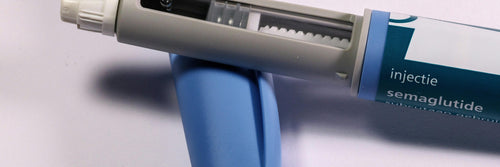
- Semaglutide (Ozempic, Wegovy) may reduce iron absorption by 13% (Melis, Diabetes Obes Metab 2025) [8].
How to Read a Supplement Label
The weight of the iron compound and the weight of elemental iron differ significantly [11]: 325 mg ferrous sulfate = ~65 mg elemental iron; 325 mg ferrous fumarate = ~107 mg elemental iron; 325 mg ferrous gluconate = ~39 mg elemental iron. Look for "elemental iron" on the Supplement Facts panel [2].
Evidence for Benefits
Iron Deficiency Anemia
Iron supplementation is the standard treatment for iron deficiency anemia (IDA) [2][8][9]. In September 2021, the British Society of Gastroenterology updated its recommendation to 50-100 mg elemental iron once daily on an empty stomach (Snook, Gut 2021) [8]. The reason: a single 60 mg dose of iron increases hepcidin levels, which blocks absorption from subsequent doses the same day. Total iron absorption from a single 60 mg daily dose was similar to that from two 60 mg doses taken the same day [8].
A study of approximately 72,000 older adults in the U.S. with IDA showed that taking 325 mg ferrous sulfate several times daily was no better at increasing hemoglobin and ferritin over 3-6 months than taking 325 mg once daily or every other day (Patel, JAMA Netw Open 2024) [8].
A study of 52 people with IDA found that 60 mg iron (ferrous sulfate) daily produced higher iron levels by 12 weeks than every-other-day dosing. Those taking iron daily had slightly greater hemoglobin increases, and 75% were no longer anemic versus 59% in the every-other-day group, though differences were not statistically significant (Lin, Br J Haematol 2023) [8]. A 14-day study in young women found that 60 mg daily was modestly better than double the dose every other day, with no increase in side effects (John, Clin Nutr 2025) [8].
Approximately two months is usually required to restore hemoglobin levels. Many more months may be needed to fully replenish iron stores [8]. Time of day does not matter — evening iron was equally effective as morning dosing (Atwell, Eur J Sport Sci 2023) [8].
Fatigue in Non-Anemic Iron Deficiency
A 12-week RCT of 198 women of childbearing age (18-53 years) who were not anemic but had ferritin below 50 mcg/L found that 80 mg iron (ferrous sulfate, time-release pill) daily produced a 47.7% decrease in fatigue versus 28.8% with placebo — a statistically significant difference. Ferritin increased by 11.4 mcg/L versus placebo. There was no significant effect on anxiety or depression (Vaucher, CMAJ 2012) [8].
A placebo-controlled trial found that iron supplementation improved "vigor" but not anxiety or depression among female soldiers with iron deficiency (McClung, Am J Clin Nutr 2009) [8].
Cognitive Function
Verbal learning and memory improved when adolescent girls with iron deficiency (without anemia) were treated with 130 mg elemental iron (as ferrous sulfate) twice daily for 8 weeks, raising average ferritin from 9 to 27 ng/mL (Bruner, Lancet 1996) [8]. Adolescence appears to be a critical window for building brain iron stores — adolescent girls with iron deficiency had significantly lower iron in the striatum, altered brain structure, and smaller overall brain volume compared to iron-sufficient peers (Fiani, JAMA Netw Open 2025) [8].
A small open-label study found that iron supplementation (25-100 mg daily for 12 weeks) decreased symptoms of anxiety, depression, and irritability in iron-deficient children with mood disorders, raising ferritin from 17 to 54 ng/mL (Mikami, J Nippon Med Sch 2022) [8]. This study lacked a placebo control.
Iron deficiency in children is associated with cognitive achievement deficits, developmental delays, and behavioral problems. If extremely severe, some of these problems can be irreversible [2][9].
Pregnancy
Iron deficiency during pregnancy increases the risk of maternal and infant mortality, premature birth, low birthweight, and impaired infant development [2][15]. In the U.S., 18% of pregnant women have iron deficiency — 6.9% in the first trimester, 14.3% in the second, and 29.7% in the third [2][15].
A Cochrane Review showed that daily iron supplementation (9-90 mg) reduced the risk of anemia at term by 70% and iron deficiency at term by 57%. Mean birthweight was 31 g higher with iron [15]. An analysis of 17 trials (>24,000 women) showed routine supplementation reduced IDA at term by 60% but did not significantly reduce preterm birth, low birthweight, or gestational diabetes (Cantor, JAMA 2024) [8].
Guidelines diverge: ACOG recommends low-dose iron starting in the first trimester [16]; the USPSTF (2024) found insufficient evidence for routine screening and supplementation of asymptomatic pregnant women [8][17]; the CDC, WHO, and Dietary Guidelines recommend 30 mg/day for most pregnant women [2][15].
Restless Legs Syndrome
People with low iron levels may be more likely to suffer from restless legs syndrome (Trotti, Cochrane Database Syst Rev 2019) [8]. The American Academy of Neurology advises that 65 mg iron (from 325 mg ferrous sulfate) with 200 mg vitamin C twice daily may improve symptoms when ferritin is below 75 ng/mL (Winkelman, Neurology 2016) [8].
This recommendation is based on a study of older adults with ferritin 15-75 ng/mL: restless legs severity decreased by 10 points on a 0-40 scale versus 1 point with placebo over three months. Ferritin increased from 40 to 65 ng/mL (Wang, Sleep Med 2009) [8]. Note: restless legs syndrome can also occur in hemochromatosis, where iron supplementation would not be appropriate [8].
Athletic Performance
Analysis of 1,190 competitive athletes (average age 21) in Germany found nearly 20% had iron deficiency, with higher prevalence among females (36.9%) versus males (10.6%). Those with deficiency were approximately half as likely to reach a target VO2 max (Keller, Nutrition 2024) [8]. Iron requirements increase during intense exercise due to losses through sweat, hemolysis, and increased gastrointestinal losses [2][8].
Blood Donation Recovery
Among blood donors with normal hemoglobin, 37.5 mg iron daily (as ferrous gluconate) reduced hemoglobin and ferritin recovery time by more than half after donating. Those receiving iron recovered within ~30 days versus 78-158 days without. Ferritin normalized within 76 days with iron, while 67% of unsupplemented donors had not recovered after 168 days (Kiss, JAMA 2015) [8][18]. About 25-35% of regular blood donors develop iron deficiency [18].
Heart Failure
Approximately 60% of chronic heart failure patients have iron deficiency and 17% have IDA [2][19]. However, a trial of high-dose oral iron (150 mg as iron polysaccharide twice daily for 16 weeks) did NOT improve exercise capacity, likely due to abnormally high hepcidin levels reducing absorption (Lewis, JAMA 2017) [8]. Intravenous iron has been more effective in this population [2].
Thyroid Function
Iron is required for conversion of T4 to T3 and for proper utilization of iodine. Iron deficiency and IDA can cause hypothyroidism (Garofalo, Nutrients 2023; Zimmermann, Annu Rev Nutr 2006; Ghiya, J Endocr Soc 2019) [4][8].
Other Potential Benefits
- ADHD in children: A small study in children ages 5-8 showed symptom improvement comparable to stimulant medicines with 80 mg iron daily (Konofal, Pediatr Neurol 2008) [8]. Preliminary evidence.
- PMS: Iron intake over 20 mg/day from supplements or plants was associated with 29-36% lower PMS risk (Chocano-Bedoya, Am J Epidem 2013) [8].
- ACE inhibitor cough: 51.2 mg iron daily showed promise for reducing ACE inhibitor-induced cough (Lee, Hypertension 2001) [8].
- Fibromyalgia: Women with IDA had 22% higher fibromyalgia risk; iron supplementation was associated with 21% lower risk (Yao, Sci Rep 2021) [8].
- Mental health: Iron deficiency is associated with increased risk of anxiety and depression (Lee, BMC Psychiatry 2020) [8], but interventional evidence is limited.
Infants and Young Children
IDA in infancy can lead to adverse cognitive and psychological effects, including delayed attention and social withdrawal, some of which may be irreversible [2][9]. A Cochrane Review of 26 studies found enteral iron (at least 1 mg/kg/day) reduces iron deficiency risk in preterm infants [2]. The American Academy of Pediatrics recommends 1 mg/kg/day for exclusively breastfed full-term infants from age 4 months [2].
Anemia of Chronic Disease
Inflammatory, infectious, and neoplastic diseases can cause anemia of chronic disease — the second most common type after IDA [2]. Inflammatory cytokines upregulate hepcidin, diverting iron from circulation to storage sites [2]. Treatment primarily involves the underlying disease. Oral iron supplementation is controversial in this setting due to potential infection risk; parenteral (IV) iron is more effective [2].
Recommended Dosing
Recommended Dietary Allowances (RDAs)
| Age Group | Male (mg/day) | Female (mg/day) | Pregnancy | Lactation |
|---|---|---|---|---|
| 0-6 months | 0.27* | 0.27* | -- | -- |
| 7-12 months | 11 | 11 | -- | -- |
| 1-3 years | 7 | 7 | -- | -- |
| 4-8 years | 10 | 10 | -- | -- |
| 9-13 years | 8 | 8 | -- | -- |
| 14-18 years | 11 | 15 | 27 | 10 |
| 19-50 years | 8 | 18 | 27 | 9 |
| 51+ years | 8 | 8 | -- | -- |
*Adequate Intake (AI). Source: Institute of Medicine [2][6].
Vegetarians need 1.8 times the RDA because nonheme iron from plant-based foods has lower bioavailability [2][6].
Tolerable Upper Intake Level (UL)
The UL for iron is 45 mg/day for adults (ages 14+) and 40 mg/day for children under 13 [2][6]. These limits are based on gastrointestinal side effects. Physicians frequently prescribe doses exceeding the UL when treating iron deficiency anemia [2].
Practical Dosing by Indication
- Treating IDA: 50-100 mg elemental iron once daily on an empty stomach (BSG 2021) [8].
- Pregnancy: 27-60 mg/day depending on guidelines [2][15][16].
- Post-bariatric surgery: 45-60 mg/day (Mechanick, Endocr Pract 2019). May be insufficient — a 2-year study found even 100 mg daily did not reliably prevent decline (Lener, Nutr Metab Cardiovasc Dis 2023) [8].
- Fatigue (non-anemic, low ferritin): 80 mg daily time-release ferrous sulfate (Vaucher, CMAJ 2012) [8].
- Blood donation recovery: 37.5 mg daily ferrous gluconate (Kiss, JAMA 2015) [18].
- Restless legs (ferritin <75 ng/mL): 65 mg iron + 200 mg vitamin C twice daily (Winkelman, Neurology 2016) [8].
- Healthy non-vegetarian men and postmenopausal women: Supplementation generally NOT recommended unless blood tests show deficiency [8].
When to Take Iron
- Preferably on an empty stomach; take with food if GI side effects are a problem [8].
- Avoid green tea and coffee within 1 hour (can reduce absorption by 50%) [8].
- Morning or evening dosing are equally effective (Atwell, Eur J Sport Sci 2023) [8].
- Avoid within 24 hours of MRI — iron can cause imaging artifacts [8].
- Avoid iron supplements 5-9 hours before blood tests checking serum iron/transferrin saturation [8].
Safety and Side Effects
Common Side Effects
The most common side effects include constipation, nausea and stomach upset (especially on an empty stomach), diarrhea, abdominal cramping, and black or dark-colored stools (harmless discoloration) [2][8][11]. These are more common with ferrous salts at higher doses and without food. Chelated forms (bisglycinate), heme iron polypeptides, carbonyl iron, and polysaccharide-iron complexes generally cause fewer GI side effects [11].
Strategies to Reduce Side Effects
- Switch to a better-tolerated form (bisglycinate, carbonyl iron, or liquid) [8]
- Take with food [8]
- Use once-daily dosing instead of multiple daily doses [8]
- Consider every-other-day dosing if daily is intolerable [8]
- Increase fiber and use stool softeners for constipation [8]
Iron-Pill Gastropathy
Prolonged use of iron pills — particularly ferrous sulfate — can damage the stomach lining, causing gastritis, erosions, ulcers, and GI bleeding (Sunkara, Gastroenterology Res 2017) [8]. Reported cases include elderly patients on 325 mg ferrous sulfate (resolved after switching to IV iron) and teenage girls taking ferrous sulfate on empty stomachs (Mauney, J Pediatr Gastroenterol Nutr 2025; Melit, Medicine 2017) [8]. Gastric siderosis (iron deposits in the stomach lining) may also occur (Tun, ACG Case Rep J 2022) [8].
Long-Term Risks of Excessive Iron
Observational studies have found associations between mildly excessive stored iron and chronic diseases [2][8]:
- Stroke: Higher stored iron associated with modestly higher stroke risk (Gill, Stroke 2018). However, in women, stroke risk decreased with iron intake up to 20 mg daily (Xu, Int J Environ Health Res 2021) [8].
- Mortality: Iron supplement use was associated with 3.9% increased death risk over 22 years in postmenopausal women, particularly at high doses (Mursu, Arch Int Med 2011) [8].
- Cancer recurrence: Iron supplements during breast cancer chemotherapy were associated with 91% higher recurrence risk (Ambrosone, J Clin Oncol 2020) [8].
Iron Poisoning
Very high single doses are life-threatening: 20 mg/kg (~1,365 mg for a 150-lb person) can cause intestinal necrosis and organ failure; 60 mg/kg (~4,090 mg) can lead to coma, seizures, and death [2][8]. Iron poisoning is most common in young children ingesting adult supplements. Supplements with 30+ mg iron must carry warning labels, and 250+ mg containers require child-resistant packaging [2].
Hereditary Hemochromatosis
A genetic condition (HFE gene mutation) causing excessive iron absorption. About 1 in 10 Whites carry the C282Y mutation, but only 4.4 per 1,000 develop the disease [2]. Without treatment (phlebotomy), iron toxicity develops by the 30s — liver cirrhosis, hepatocellular carcinoma, heart disease, impaired pancreatic function [2]. The American Association for the Study of Liver Diseases recommends avoiding iron and vitamin C supplements [2][20].
Iron and Carotenoid Absorption
High doses of ferrous iron may decrease absorption of carotenoids (beta-carotene, lycopene, astaxanthin) due to reactions between carotenoids and divalent mineral ions (Corte-Real, Food Chem 2016) [8]. Take carotenoid supplements at a different time of day.
Drug Interactions
Iron Reduces Drug Absorption
These medications should be separated from iron supplements [2][8][14]:
| Drug | Separation Time | Notes |
|---|---|---|
| Levothyroxine (Synthroid) | 4+ hours | Iron reduces absorption. Liquid/softgel forms may be less affected [8][14]. |
| Levodopa (Sinemet, Stalevo) | 2+ hours | Iron chelates levodopa, reducing effectiveness for Parkinson's disease [2][14]. |
| Quinolone antibiotics | 2h before or 6h after | Forms insoluble complexes [8]. |
| Tetracycline antibiotics | 1h before or 2h after | Forms insoluble complexes [8]. |
| Penicillamine | 2+ hours | Iron reduces absorption [8]. |
| Carbamazepine | 2+ hours | Iron may lower levels by ~30% (Ahn, Epilepsy Res 2019) [8]. |
| ACE inhibitors | 2+ hours | Possible interaction [8]. |
Drugs That Affect Iron
| Drug Class | Effect | Notes |
|---|---|---|
| Proton pump inhibitors | Reduce absorption | Long-term use (up to 10 years) does not deplete normal stores but may impair supplementation response [2][14]. |
| Low-dose aspirin | Increase loss | 100 mg daily for 5 years increased anemia risk by 20% in elderly (McQuilten, Ann Intern Med 2023) [8]. |
| Semaglutide (Ozempic) | May reduce absorption | Preliminary data: 13% reduction (Melis, Diabetes Obes Metab 2025) [8]. |
Calcium and iron should be taken at different times of day — calcium may interfere with absorption of both heme and nonheme iron [2][6]. Zinc and iron can also interfere with each other at high supplemental doses [2].
Are Your Iron Levels Optimized?
Iron status affects energy, cognition, and thyroid function. Get personalized supplement recommendations based on your health profile with the free Health Roadmap.
Get Your Personalized Health PlanDietary Sources
| Food | Serving | Iron (mg) | % DV (18 mg) | Type |
|---|---|---|---|---|
| Fortified breakfast cereal | 1 serving | 18 | 100% | Nonheme |
| Oysters, eastern, cooked | 3 oz | 8 | 44% | Heme + Nonheme |
| White beans, canned | 1 cup | 8 | 44% | Nonheme |
| Beef liver, pan fried | 3 oz | 5 | 28% | Heme + Nonheme |
| Lentils, boiled | 1/2 cup | 3 | 17% | Nonheme |
| Spinach, boiled | 1/2 cup | 3 | 17% | Nonheme |
| Tofu, firm | 1/2 cup | 3 | 17% | Nonheme |
| Dark chocolate (45-69%) | 1 oz | 2 | 11% | Nonheme |
| Kidney beans | 1/2 cup | 2 | 11% | Nonheme |
| Sardines, canned | 3 oz | 2 | 11% | Heme + Nonheme |
| Chickpeas, boiled | 1/2 cup | 2 | 11% | Nonheme |
| Beef, braised | 3 oz | 2 | 11% | Heme + Nonheme |
| Baked potato | 1 medium | 2 | 11% | Nonheme |
| Cashew nuts | 1 oz | 2 | 11% | Nonheme |
Source: USDA FoodData Central [2][21].
Practical Notes
- Heme iron (from animal sources) is more bioavailable and less affected by dietary inhibitors than nonheme iron [2][6].
- Vitamin C-rich foods enhance nonheme iron absorption. Pair iron-rich plant foods with citrus, bell peppers, tomatoes, or broccoli [2][6].
- Phytates in whole grains and legumes reduce absorption. Soaking, sprouting, or fermenting reduces phytate content [2][6].
- Tea and coffee significantly inhibit nonheme iron absorption. Avoid within an hour of iron-rich meals [6][8].
- Cast iron cookware can contribute some iron, but evidence is mixed — it should not replace supplementation (Sharma, Nepal J Epidemiol 2021) [8].
- The average Western diet provides 10-20 mg iron/day. Most men and postmenopausal women meet requirements from food alone [2][8].
References
1. Wessling-Resnick M. Iron. In: Ross AC et al., eds. Modern Nutrition in Health and Disease. 11th ed. 2014:176-88.
2. National Institutes of Health, Office of Dietary Supplements. "Iron — Health Professional Fact Sheet." https://ods.od.nih.gov/factsheets/Iron-HealthProfessional/
3. Murray-Kolbe LE, Beard J. Iron. In: Encyclopedia of Dietary Supplements. 2nd ed. 2010:432-8.
4. Garofalo V, et al. Nutrients. 2023. Zimmermann MB, Kohrle J. Annu Rev Nutr. 2006;26:367-89.
5. Drakesmith H, Prentice AM. Science. 2012;338:768-72. https://pubmed.ncbi.nlm.nih.gov/23139325/
6. Institute of Medicine. Dietary Reference Intakes for Vitamin A, Vitamin K, Arsenic, Boron, Chromium, Copper, Iodine, Iron, Manganese, Molybdenum, Nickel, Silicon, Vanadium, and Zinc. 2001.
7. World Health Organization. Worldwide Prevalence of Anaemia 1993-2005. 2008.
8. ConsumerLab. "Iron Supplements Review." 2025. https://www.consumerlab.com/reviews/iron-supplements-review/iron/
9. Powers JM, Buchanan GR. Hematol Oncol Clin North Am. 2019;33(3):393-408. https://pubmed.ncbi.nlm.nih.gov/31030808/
10. Camaschella C. N Engl J Med. 2015;372(19):1832-43. https://pubmed.ncbi.nlm.nih.gov/25946282/
11. Manoguerra AS, et al. Clin Toxicol (Phila). 2005;43:553-70. https://pubmed.ncbi.nlm.nih.gov/16255338/
12. Aggett PJ. Iron. In: Present Knowledge in Nutrition. 11th ed. 2020:375-92.
13. Weisshof R, Chermesh I. Curr Opin Clin Nutr Metab Care. 2015;18(6):576-81.
14. Ajmera AV, et al. Am J Ther. 2012;19:185-9. https://pubmed.ncbi.nlm.nih.gov/21150767/
15. Pena-Rosas JP, et al. Cochrane Database Syst Rev. 2012;12:CD004736. https://pubmed.ncbi.nlm.nih.gov/23235616/
16. ACOG. Obstet Gynecol. 2021;138(2):e55-e64. https://pubmed.ncbi.nlm.nih.gov/34293770/
17. USPSTF. JAMA. 2024. Cantor AG, et al. JAMA. 2024.
18. Kiss JE, et al. JAMA. 2015;313:575-83. https://pubmed.ncbi.nlm.nih.gov/25668261/
19. Groenveld HF, et al. J Am Coll Cardiol. 2008;52:818-27. https://pubmed.ncbi.nlm.nih.gov/18755344/
20. Bacon BR, et al. Hepatology. 2011;54:328-43. https://pubmed.ncbi.nlm.nih.gov/21452290/
21. USDA FoodData Central. https://fdc.nal.usda.gov/
22. Vaucher P, et al. CMAJ. 2012;184(11):1247-54. https://pubmed.ncbi.nlm.nih.gov/22777991/
23. Bruner AB, et al. Lancet. 1996;348:992-6. https://pubmed.ncbi.nlm.nih.gov/8855856/
24. Snook J, et al. Gut. 2021;70(11):2030-51. https://doi.org/10.1136/gutjnl-2021-325210
25. Wang J, et al. Sleep Med. 2009;10(9):973-5. https://pubmed.ncbi.nlm.nih.gov/19230757/
26. Winkelman JW, et al. Neurology. 2016;87(24):2585-93. https://pubmed.ncbi.nlm.nih.gov/27856776/
27. Lewis GD, et al. JAMA. 2017;317(19):1958-66. https://pubmed.ncbi.nlm.nih.gov/28510680/
28. Trotti LM, Becker LA. Cochrane Database Syst Rev. 2019. https://pubmed.ncbi.nlm.nih.gov/30609006/
29. Sunkara T, et al. Gastroenterology Res. 2017;10(2):138-40.
30. Li N, et al. JAMA Netw Open. 2020;3(11):e2023644. https://doi.org/10.1001/jamanetworkopen.2020.23644
31. Patel A, et al. JAMA Netw Open. 2024.
32. Lin J, et al. Br J Haematol. 2023.
33. Keller K, et al. Nutrition. 2024.
34. Gill D, et al. Stroke. 2018.
35. Mursu J, et al. Arch Intern Med. 2011;171(18):1625-33. https://pubmed.ncbi.nlm.nih.gov/21987192/
36. Ambrosone CB, et al. J Clin Oncol. 2020;38(8):804-14. https://pubmed.ncbi.nlm.nih.gov/31855498/
37. Ghiya S. J Endocr Soc. 2019.
38. Yao TC, et al. Sci Rep. 2021.
39. Lee SC, et al. BMC Psychiatry. 2020.
40. Chocano-Bedoya PO, et al. Am J Epidem. 2013.
41. Lee YJ, et al. Hypertension. 2001.
42. Konofal E, et al. Pediatr Neurol. 2008;38(1):20-6. https://pubmed.ncbi.nlm.nih.gov/18054688/
43. Fiani B, et al. JAMA Netw Open. 2025.
44. McClung JP, et al. Am J Clin Nutr. 2009;90(1):124-31. https://pubmed.ncbi.nlm.nih.gov/19474138/
45. Mikami K, et al. J Nippon Med Sch. 2022.
46. von Siebenthal HK, et al. Am J Hematol. 2023.
47. Lener F, et al. Nutr Metab Cardiovasc Dis. 2023.
48. Hashash JG, et al. Gastroenterology. 2024.
49. Weyland PJ, et al. JAMA. 2023.
50. Barton JC, et al. JAMA Netw Open. 2024.
51. Melis M, et al. Diabetes Obes Metab. 2025.
52. Hung YC, et al. Front Nutr. 2025.
53. Atwell KJ, et al. Eur J Sport Sci. 2023.
54. John L, et al. Clin Nutr. 2025.
55. McQuilten ZK, et al. Ann Intern Med. 2023.