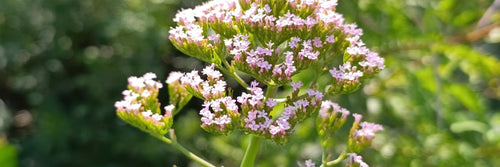


Saw palmetto (Serenoa repens) is a small palm tree native to the southeastern United States and West Indies, growing up to 10 feet tall with fan-shaped leaves [1][2]. The plant's primary medicinal value lies in the oily compounds found in its berries, which are rich in fatty acids (70-95% of extract content), phytosterols (including beta-sitosterol), flavonoids, and other bioactive compounds [2][3]. The ripe berries are harvested in late summer through fall and processed into extracts that form the basis of one of the most widely used supplements for prostate health.
The prostate supplement market extends well beyond saw palmetto alone. Beta-sitosterol — a phytosterol found in saw palmetto and many other plant sources including rice bran, wheat germ, corn oils, soybeans, avocados, pecans, and peanuts — has its own body of clinical evidence for benign prostatic hyperplasia (BPH) symptoms [4]. Other commonly marketed prostate ingredients include pygeum bark (Prunus africana), stinging nettle root (Urtica dioica), pumpkin seed and pumpkin seed oil, selenium, zinc, and bovine prostate glandular supplements [4][5].
Benign prostatic hyperplasia affects the majority of men as they age. Men with BPH commonly experience lower urinary tract symptoms (LUTS) including difficulty with urinary flow, increased frequency and urgency of urination, nocturia (nighttime urination), weak urine stream, and a sensation of incomplete bladder emptying [4][6]. These symptoms are measured clinically using the International Prostate Symptom Score (IPSS, also called AUASI), a validated questionnaire scored from 0 to 35, where higher scores indicate more severe symptoms [4].
Saw palmetto is believed to work primarily through inhibition of 5-alpha reductase, the enzyme that converts testosterone to the more potent androgen dihydrotestosterone (DHT) [2][3]. It targets both type I and type II isoforms of this enzyme, reducing DHT levels in prostate tissue. Additionally, saw palmetto components block nuclear uptake of DHT and decrease its binding to androgen receptors [2][3]. The extract also exhibits anti-inflammatory properties by suppressing prostaglandin synthesis and inhibiting cyclooxygenase-2 (COX-2) expression, reducing inflammatory mediators such as prostaglandins and leukotrienes [2][3]. It shrinks the inner epithelium of the prostate but does not reduce the prostate's overall size [4]. Further mechanisms include smooth muscle relaxation in the urinary tract (via alpha-1 adrenoceptor binding), pro-apoptotic effects in hyperplastic prostate cells, and possible estrogenic and antiprogestational activity [2][3].
Despite these plausible mechanisms, the clinical evidence for saw palmetto in BPH is decidedly mixed. A 2023 Cochrane review of 27 randomized controlled trials (4,656 participants) concluded that saw palmetto administered alone provides little or no benefit for BPH symptoms compared to placebo [1][7]. The National Center for Complementary and Integrative Health (NCCIH) concurs that saw palmetto is "probably not helpful" for urinary tract symptoms associated with prostate enlargement [1]. Several large, well-designed trials have failed to show benefit over placebo, while some smaller and older studies — particularly from Europe — have reported modest improvements.
This article synthesizes the complete evidence for saw palmetto, beta-sitosterol, and other prostate-focused supplements, covering all clinical trials, forms and bioavailability, dosing protocols, safety profiles, and drug interactions.
Table of Contents
- Overview
- Forms and Bioavailability
- Evidence for Benefits
- Recommended Dosing
- Safety and Side Effects
- Drug Interactions
- Dietary Sources
- References
Overview
Saw palmetto (Serenoa repens) is a small palm tree native to the southeastern United States and West Indies. Its primary medicinal value lies in the oily compounds found in its berries, which contain fatty acids (70-95% of extract content), phytosterols including beta-sitosterol, flavonoids such as rutin and quercetin, and minor triterpenes [2][3]. The plant is a dioecious evergreen shrub that produces single-seeded drupes, harvested in late summer through fall primarily from wild populations in the southeastern U.S. [2].
The extract has been used medicinally for over a century. Native American tribes, particularly the Seminole in Florida, traditionally used the berries to address urinary and reproductive issues [2]. By the 19th century, Eclectic physicians adopted saw palmetto for genitourinary disorders. Today, it is one of the most widely consumed herbal supplements for prostate health in the United States, and in Europe, standardized extracts like Permixon hold approved status for symptomatic relief of BPH [2].
Concerned About Prostate Health?
Prostate health is influenced by many factors beyond supplements. Get a personalized health plan based on your age, risk factors, and goals with the free Health Roadmap.
Get Your Personalized Health PlanThe pharmacological mechanisms of saw palmetto involve multiple pathways. It inhibits both type I and type II isoforms of 5-alpha reductase, reducing conversion of testosterone to DHT in prostate tissue [2][3]. It blocks nuclear uptake of DHT and decreases its binding to androgen receptors. It suppresses prostaglandin synthesis and inhibits COX-2 expression, reducing inflammatory mediators. It induces smooth muscle relaxation in the urinary tract via alpha-1 adrenoceptor binding, and it promotes apoptosis in hyperplastic prostate cells [2][3]. Importantly, it shrinks the inner epithelium of the prostate but does not reduce the prostate's overall size [4].
Beta-sitosterol is a type of phytosterol found in saw palmetto and many other plant sources. It may independently inhibit 5-alpha-reductase activity in the prostate, similar to the mechanism of the prescription drug finasteride (Proscar) [4][11]. Sources include rice bran, wheat germ, corn oils, soybeans, avocados, pecans, peanuts, pumpkin seeds, pygeum bark, and stinging nettle root [4].
Other commonly marketed prostate supplement ingredients include pygeum bark (shown to moderately reduce nocturia), stinging nettle root (preliminary evidence for BPH symptoms), pumpkin seed oil (modest evidence), selenium (not supported for prostate cancer prevention), zinc (unclear benefit, potentially harmful at high doses), and bovine prostate glandular supplements (no clinical evidence) [4][5].
Forms and Bioavailability
Saw Palmetto Extract Forms
Saw palmetto supplements are available in several distinct forms, and the differences are clinically meaningful. The form determines fatty acid and sterol content, which determines whether the product approximates what was used in clinical trials [4][8].
Liposterolic (lipid) extracts are the most studied form. These are produced using supercritical CO2 extraction or solvent-based methods (hexane or ethanol), yielding a dark, oily liquid rich in fatty acids and sterols [8][9]. The United States Pharmacopeia (USP) requires not less than 80% total fatty acids, 0.2% sterols, and 0.1% beta-sitosterol [8]. Well-known standardized extracts include Permixon (hexane-extracted, used in European clinical trials) and USPlus by Valensa International (CO2-extracted, used in the Winograd 2024 study) [4][8].
CO2-extracted products contain fatty acids but typically no detectable amount of sterols, because sterols are less soluble in supercritical CO2 [4]. The clinical significance of this absence is not established.
Hexane-extracted products contain both fatty acids and sterols. The U.S. market has largely moved away from hexane-based extracts due to concerns about potential neurotoxic effects of residual solvent, but they remain in use in Europe [4][9].
Ethanol-extracted products also contain both fatty acids and sterols and avoid the hexane residue concern [4].
Powdered berry products (non-extract) contain the whole dried berry ground into powder with dramatically lower fatty acid concentrations. A 2023 study in the Journal of Urology Open Plus that assessed 28 commercial saw palmetto supplements found total fatty acid content ranging from 0.796% in berry powder products to 89.923% in lipid extracts [8]. None of the berry powders or powdered extracts, and only six of nine lipid extracts, met the USP criterion of ≥80% total fatty acids. Only one product — a liposterolic extract (USPlus from Valensa) — fully met all USP monograph criteria [8].
Tinctures generally do not provide the high concentrations of fatty acids found in liquid and powdered extracts [4].
Dried powdered extracts (as distinct from whole berry powder) are typically standardized to approximately 45% fatty acids and sterols and are taken at a higher dose (640 mg/day vs 320 mg/day for 85% extracts) [4].
Standardization and What to Look For
Products most similar to those used in clinical trials should contain a minimum of 85% fatty acids and a minimum of 0.15% sterols [4]. For a 160 mg capsule, this means at least 136 mg of fatty acids and 0.24 mg of sterols per capsule. Liquid extracts (sold in softgels) tend to have the highest concentrations of both fatty acids and sterols [10].
Beta-Sitosterol Forms
Beta-sitosterol supplements typically contain a mixture of phytosterols, with beta-sitosterol comprising 50-70% of the total [4][11]. Clinical trials reported as using "beta-sitosterol" actually used phytosterol mixtures. The Berges 1995 study used 20 mg of phytosterols (approximately 10 mg beta-sitosterol) three times daily [11]. The Klippel 1997 study used 65 mg of phytosterols (approximately 70% beta-sitosterol) twice daily [11]. The effective daily dose of beta-sitosterol ranged from 30 to 91 mg across successful trials. Products in which beta-sitosterol represents at least 50% of total sterols are most similar to those shown to be effective [4][11].
Other Prostate Supplement Forms
Pygeum bark is standardized to 14% triterpenes/sterols and 0.5% n-docosanol, dosed at 100 mg/day in cycles of 6-8 weeks [5]. Pumpkin seed oil is standardized by sitosterol content, dosed at 320 mg daily [12]. Stinging nettle root is dosed at 4-6 grams daily — use nettle "root" specifically, not "leaf" [5]. Prostate glandular supplements contain bovine prostate tissue but have no clinical evidence supporting their use [4].
A Note on Prostadine
Prostadine is a liquid saw palmetto supplement promoted for prostate health, bladder control, and libido. However, there are no clinical studies of Prostadine for these uses [4]. The product does not list exact amounts of saw palmetto, sterols, or fatty acids, noting only 500 mg of a "proprietary blend" of saw palmetto "essential oil" and neem oil. Neem oil has been reported to cause toxic effects including vomiting, liver damage, metabolic acidosis, and encephalopathy at high doses [14]. The product label states: "Warning — The safety of this product has not been determined" [4].
Evidence for Benefits
Benign Prostatic Hyperplasia (BPH) — Saw Palmetto
The evidence for saw palmetto in BPH is extensive but conflicting, with the largest and best-designed trials showing no benefit.
Cochrane Systematic Review (Franco et al., 2023): A review of 27 RCTs involving 4,656 men concluded that saw palmetto alone provides little or no benefit for BPH symptoms [7]. No significant effects on urinary flow rates, prostate size, or quality of life scores were found. Hexane-extracted and non-hexane-extracted products showed no difference in efficacy [1][7].
CAMUS Trial (Barry et al., JAMA 2011): This large U.S. and Canadian trial tested saw palmetto extract standardized to 85-95% fatty acids at 320 mg/day, then escalated to 640 mg/day and 960 mg/day, each for 24 weeks. None of these doses showed benefit over placebo [4][15]. PSA data confirmed no effect on serum PSA levels at any dose [15][16].
STEP Trial (Bent et al., NEJM 2006): A double-blind RCT of 225 men with moderate-to-severe BPH compared 320 mg/day to placebo for one year. No significant differences in AUASI scores, maximal urinary flow rates, prostate size, or quality of life [17].
PERMAL Study (Debruyne et al., 2002): An RCT of 740 men found 320 mg/day of hexanic saw palmetto extract (Permixon) was equivalent to 0.4 mg/day of tamsulosin in improving IPSS and quality of life after 12 months, with no superiority over the alpha-blocker [19].
Ye et al., Urology 2019 (China): A study of 296 men found 320 mg/day for 5.5 months modestly improved urinary flow and decreased IPSS scores compared to placebo (-4.39 vs -1.62) [4][20]. However, supplementation did not decrease urinary frequency, prostate volume, or PSA levels. Two participants experienced mild stomach discomfort [20].
Winograd et al., Can J Urol 2024: A study of 46 men found 320 mg/day for 12 weeks slightly decreased LUTS severity, but only clinically meaningful among those with moderate symptoms (average decrease of 3 IPSS points). This study lacked a placebo group [4].
Combination with Alpha-Blockers: Adding saw palmetto to silodosin (Rapaflo) improved symptoms more than silodosin alone over 14 months in an Italian study (Boeri et al., 2018) [4][21]. In contrast, adding saw palmetto to tamsulosin (Flomax) showed no additional benefit in a Turkish study (Hizli et al., 2007) [4][22].
Pre-surgical use: Saw palmetto (160 mg/day) for 5 weeks before TURP failed to decrease prostatic tissue density or lower bleeding risk (Tuncel et al., 2009) [4][23].
Chronic Prostatitis: A 2022 systematic review found no significant benefit [1][24]. A 2024 review of 21 studies (1,666 patients) found improved symptom relief compared to placebo, with multimodal approaches (saw palmetto plus antibiotics) showing the best results [25].
Summary: The weight of evidence from the largest and best-designed trials does not support saw palmetto as an effective standalone treatment for BPH. Some smaller trials have shown modest symptomatic improvement. Prescription alpha-blockers appear more effective.
Benign Prostatic Hyperplasia (BPH) — Beta-Sitosterol
In contrast to saw palmetto's mixed evidence, most studies of beta-sitosterol have found significant improvement in BPH symptoms and urine flow rate [4][11].
Berges et al., Lancet 1995: An RCT used 20 mg of phytosterols (approximately 10 mg beta-sitosterol) three times daily, showing significant improvements in IPSS scores and urinary flow rate versus placebo [11][26].
Klippel et al., Br J Urol 1997: An RCT used 65 mg of phytosterols (approximately 70% beta-sitosterol) twice daily, showing similar benefit [11][27].
Berges et al., Br J Urol 2000 (follow-up): Benefits appeared to persist for months after stopping treatment, suggesting a potential disease-modifying effect [28].
Wilt et al., Cochrane 1999: A Cochrane review concluded that non-glucoside beta-sitosterol improved urinary symptoms and flow measures in men with BPH [29].
BPH — Pumpkin Seed Oil
Hong et al., Nutr Res Pract 2009: 58% of men taking 320 mg pumpkin seed oil daily for 12 months improved on IPSS vs 39% placebo. Urinary flow improved. No PSA or prostate volume reduction [12].
Nishimura et al., 2014: A small study of 45 people with overactive bladder found apparent benefit from 10 g pumpkin seed oil daily, but lacked placebo control [30].
Vahlensieck et al., Urol Int 2015: No benefit over placebo in 1,265 men taking 5 g pumpkin seeds or 500 mg extract twice daily for 12 months [13].
BPH — Pygeum Bark
Ishani et al., Am J Med 2000: A systematic review found moderate improvement in prostate symptoms, particularly reducing nocturia [32]. Standard dose: 100 mg/day of extract standardized to 14% triterpenes/sterols [5].
BPH — Stinging Nettle Root
Stinging nettle root may help with BPH symptoms, although research is preliminary (Schneider & Rubben, 2004) [33]. Compounds in stinging nettle may bind to sex hormone-binding globulin (SHBG) [34]. Dose: 4-6 grams daily of root or equivalent extract [5].
Prostate Cancer Prevention
There is no evidence that saw palmetto, selenium, zinc, or formulas including these ingredients prevent prostate cancer [4]. An analysis of 2,301 men with prostate cancer treated with radiation found no benefit from prostate supplements (91% containing saw palmetto) over a median 46-month follow-up (Zaorsky et al., 2015) [4][35].
Selenium: The SELECT trial was halted after finding selenium supplementation failed to prevent prostate cancer. Excess selenium (above 55 mcg RDA) may worsen prostate cancer outcomes [5][36].
Zinc: Higher dietary zinc intakes were associated with greater BPH risk in one study [37]. High-dose (>100 mg/day) or long-term zinc supplementation has been linked to increased prostate cancer risk [38].
Androgenetic Alopecia (Hair Loss)
Saw palmetto's 5-alpha reductase inhibiting activity has prompted investigation for androgenetic alopecia, since DHT drives hair follicle miniaturization.
Sudeep et al., 2023: A study of 73 adults tested 100 mg/day saw palmetto extract for 16 weeks. Oral supplementation reduced hair shedding by 29% vs an 18% increase with placebo. Hair density increased by 21% vs a 3% decrease with placebo. However, no significant improvement in objective hair thickness or participant-reported satisfaction. Topical application (20% lotion) produced nearly identical results [4][39].
Rossi et al., 2012: A 2-year study found hair growth improvement in 38% taking saw palmetto (320 mg/day) vs 68% taking finasteride (1 mg/day). Saw palmetto improved growth only at the vertex; finasteride improved vertex and front hairline. Finasteride reduces serum DHT by approximately 70% vs saw palmetto's 30-50% [40].
Prager et al., 2002: Improvement in 6 of 10 men with 200 mg saw palmetto + 50 mg beta-sitosterol twice daily vs 1 of 9 with placebo, but not statistically significant due to small size [41].
Pumpkin seed oil (Cho et al., 2014): 400 mg daily for 24 weeks increased mean hair count by 40% vs placebo [42].
Summary: Saw palmetto may provide modest benefit for hair loss at the vertex but is substantially less effective than finasteride. Rinse-off products (shampoos) lack evidence for hair regrowth [2].
Other Investigated Conditions
Chronic prostatitis: A 2024 review of 21 studies (1,666 patients) found improved symptom relief vs placebo, with multimodal approaches showing best results [25].
PCOS: Theoretical benefit from anti-androgenic properties, but clinical evidence is limited [2].
Sexual function: Systematic reviews found no significant differences between saw palmetto and placebo [2][46].
Cholesterol lowering: At much higher doses (≥800 mg/day), beta-sitosterol can lower total and LDL cholesterol by reducing gut absorption [4][11].
Recommended Dosing
Saw Palmetto
- Standard BPH dose (85-95% extract): 320 mg/day, usually as 160 mg twice daily [4][5]
- 45% fatty acid extract: 640 mg/day, as 320 mg twice daily [4]
- Powdered berry (non-extract): 1-2 grams/day [4]
- Timeline: 6-8 weeks to 3-4 months for noticeable effects, with further improvements possible through 12 months [4]
- Dose escalation: The CAMUS trial tested up to 960 mg/day with no benefit over placebo and no toxicity [15][16]
Beta-Sitosterol
- BPH dose: 30-91 mg beta-sitosterol daily (typically 60-130 mg total phytosterols) [4][11]
- Maintenance: 10-65 mg daily after symptoms improve [4]
- Timeline: Approximately 4 weeks for effects [4]
- With food: Recommended to reduce GI side effects. Essential when using for cholesterol lowering [4][11]
- Cholesterol-lowering dose: 800-6,000 mg daily with meals [4]
Pygeum Bark
- 100 mg/day (or 50 mg twice daily) of extract standardized to 14% triterpenes/sterols and 0.5% n-docosanol [5]
- Taken in cycles of 6-8 weeks [5]
Pumpkin Seed
- Pumpkin seed oil: 320 mg daily [12]
- Ground seeds: 5 grams twice daily, though the large GRANU trial showed no benefit [5][13]
Stinging Nettle Root
- 4-6 grams daily of root or equivalent extract. Use nettle "root" — not "leaf" [5]
Selenium and Zinc
Selenium supplementation is best avoided unless a known deficiency exists; excess may worsen prostate cancer outcomes [5][36]. The benefit of zinc in prostate formulas is unclear, and high-dose or long-term supplementation may increase prostate cancer risk [37][38].
Safety and Side Effects
Saw Palmetto Safety Profile
Saw palmetto is generally well-tolerated, with most adverse effects being mild and occurring at rates similar to placebo [1][2][4]. The STEP trial showed no toxicity over one year [17]. The CAMUS trial found no toxicity at doses up to nearly 1 g/day over 18 months [16]. Long-term use for up to 3 years has demonstrated no major safety risks [1][2].
Adverse event profile (Crescioli et al., 2023): Analysis of EU and U.S. reports found gastrointestinal reactions in 19.3% (diarrhea, nausea, abdominal pain), skin reactions in 10.5% (itchiness, rash), nervous system effects in 10.4% (dizziness, headache), and breast tissue swelling in men in 1.29% of reports. Risk was greatest with multi-ingredient formulas and use beyond 2 weeks [47].
Bleeding risk: Saw palmetto may prolong bleeding time and reduce platelet activity via cyclooxygenase inhibition. A case of severe intraoperative bleeding was reported [48][49]. Discontinue at least 2 weeks before surgery [2].
Hepatic and pancreatic effects: Case reports link saw palmetto products to liver or pancreas inflammation, reversing upon discontinuation. One case included heart block [4][50]. Causation is unclear due to multi-ingredient products.
Erectile dysfunction: Rarely reported. One documented case resolved after stopping saw palmetto (400 mg) plus stinging nettle (600 mg) combination and receiving testosterone treatment [51][52].
PSA levels: Saw palmetto does not affect PSA readings, even at 960 mg/day [1][15][16]. It should not interfere with PSA-based prostate cancer screening.
Contraindications: Not for use during pregnancy or lactation due to hormonal activity. Not recommended for children. May interfere with hormonal therapy and contraceptives [2][4].
Beta-Sitosterol Safety Profile
Beta-sitosterol is usually well tolerated. Side effects (nausea, indigestion, gas, diarrhea, constipation) reported in approximately 1.6% of users [29]. Erectile dysfunction and/or loss of libido reported in 1% of men taking 20 mg three times daily for 6 months [26].
Contraindicated in patients with sitosterolemia (rare genetic disorder) [4]. May reduce absorption of alpha-carotene, beta-carotene, and vitamin E [4]. May inhibit thrombin, potentially interacting with anticoagulants like dabigatran (Pradaxa) [53].
Through 2021, over 1,000 adverse event reports were filed for Super Beta Prostate products, primarily involving hematuria (blood in urine). An FDA investigation did not establish causation [54][55]. Hematuria can occur with prostate enlargement itself and warrants medical evaluation [4].
Stinging Nettle Safety
One case of gynecomastia was reported in a man consuming stinging nettle tea daily, with blood hormone levels remaining normal [34].
Drug Interactions
Saw Palmetto Drug Interactions
- Anticoagulants/antiplatelets: Mild antiplatelet activity may enhance effects of warfarin, aspirin, increasing bleeding risk [2][4][48]
- Hormonal medications: May decrease estrogen levels, reducing effectiveness of HRT and contraceptive pills. May potentiate finasteride via shared 5-alpha reductase inhibition [2][56][57]
- Alpha-blockers: May have additive effects with tamsulosin for LUTS management [2][58]
- Cytochrome P450: No significant interactions identified — low risk for altering common drug metabolism [2][50]
- Pre-surgical: Discontinue at least 2 weeks before surgery [2][4][48]
Beta-Sitosterol Drug Interactions
- May interact with direct thrombin inhibitors (dabigatran/Pradaxa) via thrombin inhibition [4][53]
- At high cholesterol-lowering doses, could theoretically interact with other cholesterol agents [4]
Supplement-Supplement Interactions
- Additive anti-androgenic effects: Combining saw palmetto with beta-sitosterol or pygeum may enhance efficacy but risk excessive hormonal suppression [2][59]
- Bleeding risk: Combining with garlic, ginkgo, dong quai, or fish oil may compound bleeding risk [2][60]
- GI effects: Co-administration with ginger or turmeric may increase gastrointestinal upset [2][60]
Dietary Sources
Saw palmetto's medicinal compounds are found exclusively in the berries of Serenoa repens and cannot be obtained through typical dietary sources. Beta-sitosterol, however, is widely distributed in the plant kingdom.
| Food Source | Notes |
|---|---|
| Avocados | One of the richest whole-food sources of beta-sitosterol |
| Soybeans and soy products | Significant phytosterol content |
| Pecans | High beta-sitosterol among tree nuts |
| Peanuts and peanut butter | Common dietary source |
| Pumpkin seeds (pepitas) | Also provide magnesium and zinc |
| Rice bran and rice bran oil | Concentrated phytosterol source |
| Wheat germ and wheat germ oil | Rich in phytosterols |
| Corn oil | Used in some clinical phytosterol studies |
| Almonds | Moderate phytosterol content |
| Olive oil | Contains beta-sitosterol among other plant sterols |
| Sesame seeds | Good phytosterol source |
| Pistachios | Among the highest phytosterol content of common nuts |
The average Western diet provides approximately 150-400 mg/day of total phytosterols, of which beta-sitosterol typically comprises 50-65% [4].
Pumpkin seeds are a traditional prostate health food containing beta-sitosterol, zinc, and magnesium. However, the GRANU trial (n=1,265) found no significant benefit from 5 grams of pumpkin seeds twice daily for BPH symptoms [13]. Pumpkin seed oil appears more promising, possibly due to concentrated phytosterol content [12].
Selenium-rich foods include Brazil nuts (1-2 nuts can exceed the daily value), seafood, and organ meats. Given that excess selenium may worsen prostate cancer outcomes [36], dietary sources are preferred over supplements for most men [5].
Zinc-rich foods include oysters, red meat, poultry, beans, nuts, and whole grains. Given the unclear and potentially adverse relationship between supplemental zinc and prostate health [37][38], dietary sources are generally preferred.
Lycopene-rich foods (tomatoes, watermelon, pink grapefruit) have been investigated for prostate health with mixed and inconclusive evidence [2].
Concerned About Prostate Health?
Prostate health is influenced by many factors beyond supplements. Get a personalized health plan based on your age, risk factors, and goals with the free Health Roadmap.
Get Your Personalized Health PlanReferences
1. National Center for Complementary and Integrative Health (NCCIH). "Saw Palmetto." Updated April 2025. https://www.nccih.nih.gov/health/saw-palmetto
2. Grokipedia. "Saw palmetto extract." https://grokipedia.com/page/Saw_palmetto_extract
3. Sultan C, Terraza A, Devillier C, et al. "Inhibition of androgen metabolism and binding by a liposterolic extract of 'Serenoa repens B' in human foreskin fibroblasts." J Steroid Biochem. 1984;20(1):515-519.
4. ConsumerLab. "Prostate Supplements Review (Saw Palmetto, Beta-Sitosterol, Phytosterols)." Accessed 2025. https://www.consumerlab.com/reviews/prostate-supplements-beta-sitosterol-phytosterols-saw-palmetto/sawpalmetto/
5. ConsumerLab. "ConsumerTips: Other Prostate Supplement Ingredients (Pygeum, Nettle, Pumpkin Seed, Selenium, Zinc)." Accessed 2025.
6. Roehrborn CG. "Benign prostatic hyperplasia: an overview." Rev Urol. 2005;7(Suppl 9):S3-S14. https://pubmed.ncbi.nlm.nih.gov/16985902/
7. Franco JV, Trivisonno L, Sgarbossa NJ, et al. "Serenoa repens for the treatment of lower urinary tract symptoms due to benign prostatic enlargement." Cochrane Database Syst Rev. 2023;6(6):CD001423. https://doi.org/10.1002/14651858.CD001423.pub4
8. Trottier G, Tahir M, Engles C, et al. "Quality and Fatty Acid Profile of Commercially Available Saw Palmetto-Based Supplements." J Urol Open Plus. 2023.
9. Penugonda K, Lindshield BL. "Fatty acid and phytosterol content of commercial saw palmetto supplements." Nutrients. 2013;5(9):3617-3633. https://doi.org/10.3390/nu5093617
10. Penugonda K, Lindshield BL. "Fatty acid and phytosterol content of commercial saw palmetto supplements." Nutrients. 2013;5(9):3617-3633. https://doi.org/10.3390/nu5093617
11. ConsumerLab. "ConsumerTips: Beta-Sitosterol Dosing and Usage." Accessed 2025.
12. Hong H, Kim CS, Maeng S. "Effects of pumpkin seed oil and saw palmetto oil in Korean men with symptomatic benign prostatic hyperplasia." Nutr Res Pract. 2009;3(4):323-327. https://doi.org/10.4162/nrp.2009.3.4.323
13. Vahlensieck W, Theurer C, Pfitzer E, et al. "Effects of pumpkin seed in men with lower urinary tract symptoms due to benign prostatic hyperplasia in the one-year, randomized, placebo-controlled GRANU study." Urol Int. 2015;94(3):286-295. https://doi.org/10.1159/000362515
14. Mishra A, Dave N. "Neem oil poisoning: case report of an adult with toxic encephalopathy." Indian J Crit Care Med. 2013;17(5):321-322. https://doi.org/10.4103/0972-5229.120330
15. Barry MJ, Meleth S, Lee JY, et al. "Effect of increasing doses of saw palmetto extract on lower urinary tract symptoms: a randomized trial." JAMA. 2011;306(12):1344-1351. https://doi.org/10.1001/jama.2011.1364
16. Andriole GL, McCullum-Hill C, Sandhu GS, et al. "The effect of increasing doses of saw palmetto fruit extract on serum prostate specific antigen: analysis of the CAMUS randomized trial." J Urol. 2013;189(2):486-492. https://doi.org/10.1016/j.juro.2012.09.037
17. Bent S, Kane C, Shinohara K, et al. "Saw palmetto for benign prostatic hyperplasia." N Engl J Med. 2006;354(6):557-566. https://doi.org/10.1056/NEJMoa053085
18. Bent S, Kane C, Shinohara K, et al. "Saw palmetto for benign prostatic hyperplasia." N Engl J Med. 2006;354(6):557-566. Safety data supplement.
19. Debruyne F, Koch G, Boyle P, et al. "Comparison of a phytotherapeutic agent (Permixon) with an alpha-blocker (tamsulosin) in the treatment of benign prostatic hyperplasia: a 1-year randomized international study." Eur Urol. 2002;41(5):497-507. https://doi.org/10.1016/S0302-2838(02)00066-2
20. Ye Z, Huang J, Zhou L, et al. "Efficacy and safety of Serenoa repens extract among patients with benign prostatic hyperplasia in China." Urology. 2019;129:172-179. https://doi.org/10.1016/j.urology.2019.02.024
21. Boeri L, Capogrosso P, Ventimiglia E, et al. "Clinically meaningful improvements in LUTS/BPH severity in men treated with silodosin plus hexanic extract of Serenoa repens or silodosin alone." Sci Rep. 2018;8(1):15179. https://doi.org/10.1038/s41598-018-33179-9
22. Hizli F, Uygur MC. "A prospective study of the efficacy of Serenoa repens, tamsulosin, and Serenoa repens plus tamsulosin treatment for patients with benign prostate hyperplasia." Int Urol Nephrol. 2007;39(3):879-886. https://doi.org/10.1007/s11255-006-9106-5
23. Tuncel A, Ener K, Han O, et al. "Effects of short-term dutasteride and Serenoa repens on SPA and prostate volume in patients with benign prostatic hyperplasia." Scand J Urol Nephrol. 2009;43(2):107-112.
24. Lok W, Lin T, Cao D, et al. "Is Serenoa repens effective for the treatment of chronic prostatitis/chronic pelvic pain syndrome (CP/CPPS)?" Asian J Surg. 2022;45(9):1746-1747. https://doi.org/10.1016/j.asjsur.2022.02.035
25. Systematic review of 21 studies on saw palmetto for chronic prostatitis (2024). 1,666 patients analyzed.
26. Berges RR, Windeler J, Trampisch HJ, Senge T. "Randomised, placebo-controlled, double-blind clinical trial of beta-sitosterol in patients with benign prostatic hyperplasia." Lancet. 1995;345(8964):1529-1532. https://doi.org/10.1016/S0140-6736(95)91085-9
27. Klippel KF, Hiltl DM, Schipp B. "A multicentric, placebo-controlled, double-blind clinical trial of beta-sitosterol (phytosterol) for the treatment of benign prostatic hyperplasia." Br J Urol. 1997;80(3):427-432. https://doi.org/10.1046/j.1464-410X.1997.00362.x
28. Berges RR, Kassen A, Senge T. "Treatment of symptomatic benign prostatic hyperplasia with beta-sitosterol: an 18-month follow-up." BJU Int. 2000;85(7):842-846. https://doi.org/10.1046/j.1464-410x.2000.00672.x
29. Wilt TJ, MacDonald R, Ishani A. "Beta-sitosterol for the treatment of benign prostatic hyperplasia: a systematic review." BJU Int. 1999;83(9):976-983. https://doi.org/10.1046/j.1464-410x.1999.00026.x
30. Nishimura M, Ohkawara T, Sato H, et al. "Pumpkin seed oil taken with pumpkin seeds reduces bladder dysfunction in postmenopausal women." J Tradit Complement Med. 2014;4(1):72-74.
31. Kim MY, Kim EJ, Kim YN, et al. "Comparison of the chemical compositions and nutritive values of various pumpkin preparations." Nutr Res Pract. 2012;6(1):21-27. https://doi.org/10.4162/nrp.2012.6.1.21
32. Ishani A, MacDonald R, Nelson D, et al. "Pygeum africanum for the treatment of patients with benign prostatic hyperplasia: a systematic review and quantitative meta-analysis." Am J Med. 2000;109(8):654-664. https://doi.org/10.1016/S0002-9343(00)00604-5
33. Schneider T, Rubben H. "Stinging nettle root extract (Bazoton-uno) in long term treatment of benign prostatic syndrome (BPS)." Urologe A. 2004;43(3):302-306.
34. Sahin M, Yilmaz B, Sayin S. "A case of gynecomastia associated with stinging nettle tea consumption." N Z Med J. 2007;120(1265):U2809.
35. Zaorsky NG, et al. "Use of men's health/prostate supplements among men with prostate cancer treated with radiation therapy." Int J Radiat Oncol. 2015 (Supplement Abstract).
36. SELECT Trial (Selenium and Vitamin E Cancer Prevention Trial). Referenced in ConsumerLab Prostate and Selenium Supplements Reviews.
37. Lagiou P, Wuu J, Trichopoulou A, et al. "Diet and benign prostatic hyperplasia: a study in Greece." Urology. 1999;54(2):284-290. https://doi.org/10.1016/S0090-4295(99)00099-X
38. Leitzmann MF, Stampfer MJ, Wu K, et al. "Zinc supplement use and risk of prostate cancer." J Natl Cancer Inst. 2003;95(13):1004-1007. https://doi.org/10.1093/jnci/95.13.1004
39. Sudeep HV, Thomas JV, Shyamprasad K. "A double blind, placebo-controlled randomized comparative study on the efficacy of phytosterol-enriched and conventional saw palmetto oil in mitigating benign prostate hyperplasia and androgen deficiency." Clin Cosmet Investig Dermatol. 2023;16:1-14.
40. Rossi A, Mari E, Scarno M, et al. "Comparative effectiveness of finasteride vs Serenoa repens in male androgenetic alopecia: a two-year study." Int J Immunopathol Pharmacol. 2012;25(4):1167-1173. https://doi.org/10.1177/039463201202500435
41. Prager N, Bickett K, French N, Marcovici G. "A randomized, double-blind, placebo-controlled trial to determine the effectiveness of botanically derived inhibitors of 5-alpha-reductase in the treatment of androgenetic alopecia." J Altern Complement Med. 2002;8(2):143-152. https://doi.org/10.1089/acm.2002.8.143
42. Cho YH, Lee SY, Jeong DW, et al. "Effect of pumpkin seed oil on hair growth in men with androgenetic alopecia: a randomized, double-blind, placebo-controlled trial." Evid Based Complement Alternat Med. 2014;2014:549721. https://doi.org/10.1155/2014/549721
43. Systematic review of 5 RCTs and 2 cohort studies on saw palmetto for androgenetic alopecia (2020).
44. Comparative trial of saw palmetto vs finasteride for nonbacterial prostatitis.
45. Anti-inflammatory effects of lipidosterolic saw palmetto components in prostate tissue, including reduced cytokine production and NF-kB activity.
46. Systematic review and meta-analysis (2021) of saw palmetto effects on male sexual function. No statistically significant differences vs placebo.
47. Crescioli G, Boscia E, Grippo A, et al. "The risk of saw palmetto-food supplement interactions: a systematic review of case reports." Phytother Res. 2023. https://doi.org/10.1002/ptr.7729
48. Cheema P, El-Mefty O, Jazieh AR. "Intraoperative haemorrhage associated with the use of extract of saw palmetto herb." J Intern Med. 2001;250(2):167-169. https://doi.org/10.1046/j.1365-2796.2001.00864.x
49. Breu W, Hagenlocher M, Redl K, et al. "Anti-inflammatory activity of sabal fruit extracts prepared with supercritical carbon dioxide." Arzneimittel-Forschung. 1992;42(4):547-551.
50. Jipescu A, et al. "Pancreatitis and heart block associated with saw palmetto supplementation." J Am Coll Cardiol. 2017.
51. Agbabiaka TB, Pittler MH, Wider B, Ernst E. "Serenoa repens (saw palmetto): a systematic review of adverse events." Drug Saf. 2009;32(8):637-647. https://doi.org/10.2165/00002018-200932080-00003
52. Gallo M, Ferrara L, Naviglio D. "Saw palmetto-induced erectile dysfunction reversed by testosterone gel." Br J Clin Pharmacol. 2021. https://doi.org/10.1111/bcp.14693
53. Gogoi D, Arora N, Kalita B, et al. "Anticoagulant mechanism of action of a phytosterol isolated from a medicinal plant." J Nat Prod. 2018;81(11):2521-2528.
54. Li J, et al. "Analysis of adverse event reports for Super Beta Prostate supplement products." Innov Pharm. 2023.
55. Felton R. "Prostate supplement safety concerns." Consumer Reports. 2020.
56. Saw palmetto's effects on estrogen levels. Referenced in Grokipedia safety summary.
57. Potential pharmacodynamic interaction between saw palmetto and finasteride via shared 5-alpha-reductase inhibition.
58. Additive effects of saw palmetto with alpha-blockers for LUTS management.
59. Additive anti-androgenic effects of saw palmetto with beta-sitosterol and Pygeum africanum.
60. Bleeding risk and GI interactions of saw palmetto with garlic, ginkgo, dong quai, ginger, and turmeric.
61. FDA Guidance for Industry on residual solvents in botanical drug substances. 1999.
62. EPA assessment of hexane neurotoxicity. 2016.
63. Grammatikopoulou MG, Gkiouras K, Papageorgiou ST, et al. "Dietary factors and supplements influencing prostate-specific antigen (PSA) concentrations in men with prostate cancer." Nutrients. 2020;12(10):2985. https://doi.org/10.3390/nu12102985
64. Gupta AK, Talukder M, Williams G. "Emerging and traditional 5-alpha reductase inhibitors and androgen receptor antagonists for male androgenetic alopecia." Expert Opin Emerg Drugs. 2024;29(3):251-261. https://doi.org/10.1080/14728214.2024.2365547