

Quercetin is a yellow flavonoid found in many plant-based foods, occurring naturally as rutin. Rich sources include capers (200 mg/100g), onions (20–30 mg), and kale (20 mg). Average daily dietary intake in the U.S. is approximately 25–50 mg. Human evidence suggests modest benefits for blood pressure, blood sugar, prostatitis, and rheumatoid arthritis [1].
A key challenge is poor absorption: only about 2% of free-form quercetin is absorbed with water. Taking with a fat-containing meal increases absorption by roughly one-third. Phytosome and EMIQ formulations may improve bioavailability [1][2].
Table of Contents
- Overview
- Forms and Bioavailability
- Evidence for Benefits
- Recommended Dosing
- Safety and Side Effects
- Drug Interactions
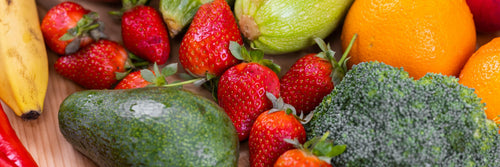
- Dietary Sources
- References
Overview
Quercetin is a yellow flavonoid with demonstrated anti-inflammatory, anti-carcinogenic, and antiviral effects in laboratory studies. Supplements contain 500–1,000 mg daily — far exceeding the 25–50 mg from typical dietary intake [1].
Quercetin from foods (as rutin) is absorbed better than supplement forms. A red onion soup with 47 mg quercetin was roughly equivalent to 544 mg quercetin dihydrate as a tablet [4].
Want to Optimize Your Antioxidant Intake?
Quercetin is one of many flavonoids that may support health. Get a personalized plan for supplements and nutrition with the free Health Roadmap.
Get Your Personalized Health PlanQuercetin has significant drug interaction potential through multiple enzyme pathways. Anyone taking medications should consult a physician before supplementing [1].
Forms and Bioavailability
Free-form quercetin: ~2% absorbed with water. Slightly bitter. Quercetin dihydrate: 89.35% quercetin by weight, no flavor, same poor absorption. Quercetin Phytosome: 18x higher blood levels than plain quercetin without food [3]. EMIQ: Reported better absorption, though "40x" marketing claims are based on a single time point [1]. Take all forms with a fat-containing meal.
Evidence for Benefits
Blood Pressure
A review of 7 clinical trials found 500–1,000 mg/day reduced systolic BP by ~3.04 mmHg and diastolic BP by ~2.63 mmHg [5].
Blood Sugar and Insulin
In women with PCOS, 1,000 mg/day for 3 months slightly decreased fasting glucose, insulin, and HOMA-IR. Lower doses (100–730 mg) have not shown benefit in metabolic syndrome [6][7].
Prostatitis
1,000 mg/day for 1 month: 67% significant improvement vs 20% placebo. Pain and quality of life improved; urinary symptoms did not [8].
Rheumatoid Arthritis
500 mg/day for 2 months reduced morning stiffness and pain but not tender or swollen joints [9].
Seasonal Allergies
Results are modest at best — one study reduced eye symptoms only, another slightly reduced sneezing only [10][11].
Fatty Liver Disease
500 mg/day for 12 weeks reduced liver fat from 11.5% to 9.6% versus no change with placebo [12].
Recommended Dosing
- Blood pressure: 500–1,000 mg/day
- Blood sugar: 500 mg twice daily (1,000 mg total)
- Prostatitis: 500 mg twice daily
- Arthritis: 500 mg once daily
Take with a fat-containing meal. Safety beyond 1,000 mg/day for >3 months is not established [1].
Safety and Side Effects
Uncommon at 500–1,000 mg/day for up to 3 months. Mild nausea, stomach upset, headache may occur. May lower blood pressure, exacerbate kidney disease, inhibit iron absorption, interfere with alcohol metabolism, and potentially disrupt thyroid function [1].
Drug Interactions
Quercetin affects multiple drug metabolism pathways:
- OATP1B1 substrates (statins, valsartan): May increase absorption ~24%
- CYP2C9 substrates (warfarin, NSAIDs, losartan): May increase effects
- CYP3A substrates (many statins, benzodiazepines, calcium channel blockers): May decrease effects
Consult a physician before combining quercetin with any medication [1].
Dietary Sources
| Food (per 100g) | Quercetin (mg) |
|---|---|
| Capers | ~200 |
| Onions (outer rings) | 20–30 |
| Radicchio | 10–30 |
| Kale | ~20 |
| Cranberry, chokeberry | ~15 |
| Black plums | ~12 |
| Buckwheat | ~7 |
Quercetin from foods as rutin is absorbed 3–17% — much better than supplement forms [1].
Want to Optimize Your Antioxidant Intake?
Quercetin is one of many flavonoids that may support health. Get a personalized plan for supplements and nutrition with the free Health Roadmap.
Get Your Personalized Health PlanReferences
1. ConsumerLab. Quercetin Supplements Review. https://www.consumerlab.com/reviews/quercetin-supplements/quercetin/
2. Guo Y et al. Quercetin bioavailability. Mol Nutr Food Res. 2013.
3. Riva A et al. Quercetin Phytosome. Eur J Drug Metab Pharmacokinet. 2019.
4. Shi Y et al. Onion vs supplement quercetin. Food Funct. 2015.
5. Serban MC et al. Quercetin and blood pressure. J Am Heart Assoc. 2016. https://pubmed.ncbi.nlm.nih.gov/27405810/
6. Resvan S et al. Quercetin in PCOS. Cell J. 2018.
7. Ostadmohammadi V et al. Quercetin in metabolic syndrome. Phytother Res. 2019.
8. Shoskes DA et al. Quercetin in prostatitis. Urology. 1999. https://pubmed.ncbi.nlm.nih.gov/10604689/
9. Javadi F et al. Quercetin in RA. J Am Coll Nutr. 2017. https://pubmed.ncbi.nlm.nih.gov/28498740/
10. Hirano T et al. EMIQ and pollen allergy. Allergol Int. 2009.
11. Yamada S et al. Quercetin Phytosome. Eur Rev Med Pharmacol Sci. 2022.
12. Li X et al. Quercetin and MASLD. Am J Clin Nutr. 2024.
13. Nieman DC et al. Quercetin reduces illness. Med Sci Sports Exerc. 2007. https://pubmed.ncbi.nlm.nih.gov/17762359/
14. Devi A et al. Quercetin and ALDH2. Sci Rep. 2023.