

Olive leaf extract (OLE) is derived from the leaves of the olive tree (Olea europaea), an evergreen species in the Oleaceae family native to the Mediterranean Basin. The leaves contain a rich array of phenolic compounds — including oleuropein, hydroxytyrosol, tyrosol, verbascoside, and flavonoids such as luteolin and quercetin — at concentrations far exceeding those found in olive fruit or olive oil [1][2][3]. Total phenolic content in fresh olive leaves reaches approximately 1,450 mg per 100 g, with oleuropein alone comprising 1–14% of the dry leaf weight, and up to 17–23% in certain cultivars [3][4]. By contrast, oleuropein is present in only minute amounts in olive oil, and some extra virgin olive oils contain none at all [1][5].
Oleuropein, a secoiridoid glycoside, is widely considered the primary bioactive compound responsible for olive leaf extract's biological effects. It gives olives their characteristic pungent aroma and bitter taste, and exhibits antioxidant, anti-inflammatory, antimicrobial, and vasodilatory properties in laboratory studies [2][3][6]. Hydroxytyrosol, a metabolite of oleuropein, is another potent antioxidant that contributes to the extract's biological activity, typically present at 1–2% in standardized extracts [3][7].
Olive leaves have been used in traditional Mediterranean folk medicine for millennia to treat fevers, infections, hypertension, diabetes, diarrhea, and respiratory conditions [8]. In ancient Greece around 400 BCE, Hippocrates prescribed olive leaf preparations to alleviate fevers and combat infections [8]. Medieval and subsequent folk medicine traditions across the Mediterranean and Middle East employed olive leaf teas for managing hypertension and as a malaria remedy [9][10]. Contemporary clinical research has focused primarily on olive leaf extract's potential cardiovascular and metabolic benefits. A 2022 systematic review and meta-analysis of 12 randomized controlled trials (RCTs) involving 819 adults found that OLE supplementation at doses of 500–1,000 mg/day significantly reduced systolic blood pressure by 3.86 mmHg overall [12]. Olive leaf extract is classified as Generally Recognized as Safe (GRAS) by the FDA for use as a food ingredient [15].
Table of Contents
- Overview
- Forms and Bioavailability
- Evidence for Benefits
- Recommended Dosing
- Safety and Side Effects
- Drug Interactions
- Dietary Sources
- References
Overview
Olive leaf extract (OLE) is derived from the leaves of the olive tree (Olea europaea), an evergreen species in the Oleaceae family native to the Mediterranean Basin. The leaves contain a rich array of phenolic compounds — including oleuropein, hydroxytyrosol, tyrosol, verbascoside, and flavonoids such as luteolin and quercetin — at concentrations far exceeding those found in olive fruit or olive oil [1][2][3]. Total phenolic content in fresh olive leaves reaches approximately 1,450 mg per 100 g, with oleuropein alone comprising 1–14% of the dry leaf weight, and up to 17–23% in certain cultivars [3][4]. By contrast, oleuropein is present in only minute amounts in olive oil, and some extra virgin olive oils contain none at all [1][5].
Oleuropein, a secoiridoid glycoside, is widely considered the primary bioactive compound responsible for olive leaf extract's biological effects. It gives olives their characteristic pungent aroma and bitter taste, and exhibits antioxidant, anti-inflammatory, antimicrobial, and vasodilatory properties in laboratory studies [2][3][6]. Hydroxytyrosol, a metabolite of oleuropein, is another potent antioxidant that contributes to the extract's biological activity, typically present at 1–2% in standardized extracts [3][7].
Olive leaves have been used in traditional Mediterranean folk medicine for millennia to treat fevers, infections, hypertension, diabetes, diarrhea, and respiratory conditions [8]. In ancient Greece around 400 BCE, Hippocrates prescribed olive leaf preparations to alleviate fevers and combat infections [8]. Medieval and subsequent folk medicine traditions across the Mediterranean and Middle East employed olive leaf teas for managing hypertension and as a malaria remedy [9][10]. In North African traditional medicine, particularly in Morocco and Tunisia, leaf decoctions were used for stomach ailments, diarrhea, and urinary issues, while Japanese traditional medicine used them for intestinal diseases and liver discomfort [8][11].
Contemporary clinical research has focused primarily on olive leaf extract's potential cardiovascular and metabolic benefits. A 2022 systematic review and meta-analysis of 12 randomized controlled trials (RCTs) involving 819 adults found that OLE supplementation at doses of 500–1,000 mg/day significantly reduced systolic blood pressure by 3.86 mmHg overall [12]. Evidence also suggests modest benefits for cholesterol levels, glycemic control in type 2 diabetes, and immune function, though most trials feature small sample sizes (n < 100 per study) and short durations (< 12 weeks), and the European Food Safety Authority (EFSA) concluded in 2014 that evidence was insufficient to substantiate health claims for OLE on glucose tolerance [12][13][14].
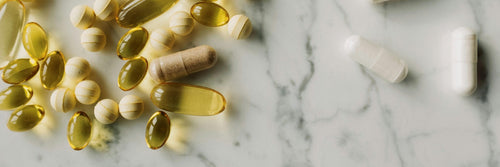
Olive leaf extract is classified as Generally Recognized as Safe (GRAS) by the FDA for use as a food ingredient, based on toxicological assessments supporting safe consumption of up to 100–150 mg of hydroxytyrosol per day [15]. The extract is available commercially as capsules, liquid tinctures, teas, and topical preparations, with standardized supplements typically providing 15–40% oleuropein per dose [3][16].
Managing Your Blood Pressure Naturally?
Blood pressure management involves diet, exercise, and targeted supplementation. Get a personalized plan with Health Roadmap.
Get Your Personalized Health PlanForms and Bioavailability
Types of Olive Leaf Extract Products
Olive leaf extract is commercially available in several forms, each with distinct characteristics affecting potency, convenience, and bioavailability.
Capsules and Tablets: The most common supplement form. Capsules typically contain 250–500 mg of standardized extract per dose, with oleuropein content ranging from 15% to 40% of the total extract. This means a 500 mg capsule standardized to 20% oleuropein provides approximately 100 mg of oleuropein. Most clinical trials have used capsule formulations [1][12][16].
Liquid Extracts and Tinctures: Available as olive leaf concentrate or ethanol-based tinctures. Liquid forms are dosed at 500–1,000 mg equivalent daily, typically taken as drops or mixed into beverages. One well-studied liquid product provided 136.2 mg of oleuropein and 6.4 mg of hydroxytyrosol daily in a dose of two teaspoons twice daily [17]. Liquid forms may offer faster absorption due to pre-solubilization but lack the standardization consistency of capsules.
Teas and Infusions: Traditional preparation involves steeping 1–2 teaspoons (1–2 g) of dried olive leaves in hot water for 10–15 minutes, consumed 2–3 times daily. Tea preparations yield a mildly bitter infusion with lower and more variable oleuropein content compared to standardized extracts. Water infusion at 60–80°C for 30–240 minutes yields up to approximately 34 mg oleuropein per gram of dry leaf, substantially less than concentrated extracts [3][16].
Topical Preparations: Olive leaf extract creams and ointments have been used in research for cold sores (herpes simplex). A 2% olive leaf extract cream has been studied for herpes labialis [18]. Topical preparations are not intended for systemic benefits but for localized application.
Oleuropein Standardization
Olive leaf extracts vary enormously in their concentration of oleuropein — from as little as 1% to as high as 40% of the total extract [1]. This means that the amount of extract needed to achieve a clinically relevant dose of oleuropein depends entirely on the standardization level:
| Extract Standardization | Amount Needed for 100 mg Oleuropein |
|---|---|
| 40% oleuropein | 250 mg extract |
| 20% oleuropein | 500 mg extract |
| 10% oleuropein | 1,000 mg extract |
| 1% oleuropein (e.g., tea/liquid) | 10,000 mg (10 g or ~10 mL liquid) |
Clinical trials have used various formulations providing 100 to 136.2 mg of oleuropein daily. The higher the percentage of oleuropein, the less extract is required per dose. Consumers should check labels carefully and compare based on oleuropein content per serving rather than total milligrams of extract [1].
Key Bioactive Compounds
Olive leaf extract contains multiple classes of bioactive compounds that may contribute synergistically to its effects:
- Oleuropein (secoiridoid glycoside): The dominant bioactive compound, comprising 1–14% of dry leaf weight (up to 23% in select cultivars). Responsible for antioxidant, anti-inflammatory, antimicrobial, and vasodilatory effects [2][3][4].
- Hydroxytyrosol (3,4-dihydroxyphenylethanol): A metabolite of oleuropein with potent antioxidant activity, typically present at 1–2% in extracts. Contributes to antimicrobial and cardioprotective effects [3][7].
- Tyrosol (4-hydroxyphenylethanol): A related phenol with milder antioxidant effects than hydroxytyrosol [1].
- Verbascoside (phenylethanoid glycoside): Another phenolic compound contributing to the overall phenolic profile [1].
- Flavonoids: Including luteolin (as luteolin-7-O-glucoside, up to 0.8% in some analyses), apigenin, rutin, and quercetin. Flavonoids account for 0.2–2% of dry weight and contribute additional antioxidant and anti-inflammatory activity [3][7].
- Triterpenes: Such as maslinic acid, a pentacyclic oleanane-type triterpenoid found in the cuticular wax layer [4].
Factors Affecting Composition
The bioactive content of olive leaf products varies substantially depending on:
- Cultivar: Koroneiki cultivar leaves typically exhibit higher oleuropein levels than Arbequina, with concentrations varying by 50% or more across varieties. Picual cultivar also shows elevated oleuropein content [4][19].
- Harvest timing: Phenolic levels peak in autumn (e.g., November), often exceeding spring or summer values by 20–30% [4][20].
- Environmental stress: Drought stress can increase phenolic content — including oleuropein and hydroxytyrosol — by up to twofold [4][21].
- Leaf age: Younger leaves generally contain higher concentrations of phenolics compared to mature or older leaves [4].
- Extraction method: Ethanol tinctures achieve higher oleuropein yields (~43 mg/g dry leaf) than simple water infusion (~34 mg/g). Supercritical CO₂ extraction provides solvent-free, high-purity extracts standardized to 10–40% oleuropein [3][22].
- Post-harvest handling: Oleuropein degrades rapidly after harvest (10–20% losses within days) if not stabilized by drying at controlled temperatures (40–60°C) [4].
Synergistic Effects
Research from the 2010s has highlighted that combinations of olive leaf polyphenols — particularly oleuropein and hydroxytyrosol together — enhance free radical scavenging beyond what either compound achieves individually. Cellular models show improved efficacy against oxidative damage, measured by reduced lipid peroxidation and increased antioxidant enzyme activity [7][23]. This synergy supports the use of whole olive leaf extracts rather than isolated oleuropein.
Evidence for Benefits
Blood Pressure
Olive leaf extract's potential antihypertensive effect has been studied in several clinical trials. Laboratory studies suggest that oleuropein may help reduce blood pressure through a mechanism similar to calcium channel blocker medications such as diltiazem or verapamil [24].
Meta-analysis of 12 RCTs (n=819, 2022): A systematic review and meta-analysis of 12 randomized controlled trials involving 819 adults found that OLE supplementation at doses of 500–1,000 mg/day significantly reduced systolic blood pressure (SBP) by 3.86 mmHg overall (95% CI: -6.42 to -1.31; P = 0.003). In hypertensive subgroups, the reduction was greater: -4.81 mmHg (95% CI: -7.27 to -2.35; P < 0.001). These trials typically lasted 6–12 weeks and involved participants with prehypertension or stage 1 hypertension [12].
Olive leaf extract vs. captopril (n=162, 2011): A small, eight-week study in Indonesia among 162 men and women with stage 1 hypertension (average blood pressure 148/93 mmHg) found that 500 mg of olive leaf extract taken twice daily (1,000 mg/day total) produced modest but statistically significant reductions in both systolic and diastolic blood pressure. The blood pressure reductions were similar in magnitude to those seen with captopril (25–50 mg per day, a relatively low dose). However, there was no placebo control group, making it impossible to establish the actual effects of either the extract or the drug. The study was funded by the extract manufacturer [25].
Liquid OLE and 24-hour ambulatory BP (n=60, 2017): A study in New Zealand among 60 men (average age 45) with prehypertension found that two teaspoons of liquid olive leaf extract twice daily (providing 136.2 mg oleuropein and 6.4 mg hydroxytyrosol per day) for six weeks modestly decreased 24-hour ambulatory systolic and diastolic blood pressure by 3.33 mmHg and 2.42 mmHg, respectively, compared to placebo. This study used 24-hour ambulatory monitoring, which is considered more reliable than office blood pressure measurements [17].
2024 systematic review: A subsequent 2024 systematic review further supported these cardiovascular benefits, including modest improvements in lipid profiles and reductions in vascular inflammation in certain populations [13][26].
Animal model corroboration: Animal studies show blood pressure-lowering effects in hypertensive rat models through vasodilation and ACE (angiotensin-converting enzyme) inhibition, providing a mechanistic basis for the clinical observations [12][13].
Overall assessment: The blood pressure-lowering effect of olive leaf extract appears to be modest — approximately 3–5 mmHg reduction in systolic blood pressure — and most evident in individuals who already have elevated blood pressure. These reductions are smaller than those typically achieved with antihypertensive medications but may be clinically meaningful as adjunctive support. All trials have been relatively short (6–12 weeks), so the durability of the effect is unknown.
Cholesterol and Lipids
Several studies have evaluated the effects of olive leaf extract on blood lipid levels, with mixed results.
Meta-analysis LDL findings (n=616, 2022): The 2022 meta-analysis found no overall significant change in LDL cholesterol across 616 participants (-1.30 mg/dL; 95% CI: -5.25 to 2.65; P = 0.52). However, subgroup analysis in hypertensive participants showed a statistically significant LDL cholesterol reduction of 4.60 mg/dL (95% CI: -8.26 to -0.94; P = 0.014), equivalent to roughly a 3–5% decrease from typical baselines of 120–130 mg/dL [12].
Liquid OLE (n=60, 2017): In the New Zealand prehypertension study, participants taking liquid olive leaf extract had a statistically significant decrease in total cholesterol (by 12.4 mg/dL), LDL cholesterol (by 7 mg/dL), and triglycerides (by 16 mg/dL) compared to placebo over six weeks [17].
Postmenopausal women with osteopenia (n=48, 2015): A one-year study in Poland among 48 postmenopausal women with decreased bone mineral density found that those taking standardized olive leaf extract providing 100 mg of oleuropein plus 400 mg calcium daily had modest decreases in total cholesterol (-26 vs. -16 mg/dL), LDL cholesterol (-35 vs. -20 mg/dL), and triglycerides (-4 vs. an increase of 18 mg/dL) compared to calcium supplementation alone [27].
Healthy postmenopausal women (n=60, 2024): A study among 60 healthy postmenopausal women taking 250 mg of olive leaf extract providing 100 mg of oleuropein daily for 12 weeks showed only a slight reduction in triglycerides of 8.85 mg/dL compared to placebo. No significant improvements in total or LDL cholesterol were observed [28].
Overall assessment: Olive leaf extract may produce modest reductions in total cholesterol, LDL cholesterol, and triglycerides, particularly in hypertensive individuals and those with established cardiovascular risk factors. The magnitude of these effects is substantially smaller than pharmaceutical lipid-lowering therapies (statins typically reduce LDL by 30–50%). OLE should not be considered a substitute for established lipid-lowering medications in individuals with high cardiovascular risk.
Blood Sugar and Insulin Control
Laboratory studies have suggested that oleuropein may help lower blood sugar levels by accelerating glucose uptake in cells, improving glucose-induced insulin release, and slowing enzyme activity that breaks down starches [1][6]. Clinical evidence in humans is limited and mixed.
Type 2 diabetes (n=70, 2012): A study in Israel among 70 men and women (average age 61) with type 2 diabetes who were not taking insulin (but most of whom were taking sulfonylurea and/or metformin) found that those who took 500 mg of olive leaf extract once daily before breakfast for three months had a greater decrease in fasting insulin levels (-13.7 vs. -11.3 IU/mL) and lower HbA1c (8.0% vs. 8.9%) at the end of the study compared to placebo. However, olive leaf extract did not decrease fasting blood sugar levels, or reduce postprandial blood sugar or improve postprandial insulin levels [29].
Type 2 diabetes (n=79, 2012): Another RCT with 79 adults with type 2 diabetes administered 500 mg/day OLE for 14 weeks, resulting in a significant HbA1c reduction (P < 0.05) compared to placebo, alongside lower fasting insulin levels [14].
Obese women with insulin resistance (2021): A more recent trial in obese women showed improvements in insulin sensitivity markers (e.g., reduced HOMA-IR) with 500 mg/day OLE alongside calorie restriction; HbA1c was not measured in this trial [30].
Type 2 diabetes — negative result (2025): A 2025 RCT in type 2 diabetes patients found no significant changes in HbA1c after OLE supplementation, indicating mixed results in this population [31][32].
No benefit in non-diabetics (n=60, 2017): In the New Zealand prehypertension study, liquid olive leaf extract providing 136.2 mg oleuropein and 6.4 mg hydroxytyrosol daily did not decrease fasting blood sugar or improve insulin resistance (HOMA-IR) compared to placebo in adults without diabetes [17].
EFSA assessment (2014): The European Food Safety Authority concluded there was insufficient evidence to substantiate health claims for olive leaf extract on glucose tolerance, citing inadequate characterization of extracts and inconsistent human data [14].
Overall assessment: Olive leaf extract may have a modest benefit for glycemic control in people with established type 2 diabetes, particularly for reducing HbA1c and fasting insulin. However, it does not appear to affect blood sugar levels or improve insulin function in people without diabetes. Results are inconsistent, and more research is needed.
Bone Health
Limited clinical evidence suggests olive leaf extract may have modest effects on bone metabolism in specific populations.
Postmenopausal women with osteopenia (n=48, 2015): A one-year study in Poland among 48 postmenopausal women with osteopenia and sufficient vitamin D levels found that taking standardized olive leaf extract providing 100 mg of oleuropein plus 400 mg of calcium daily significantly increased blood levels of osteocalcin (a marker of bone tissue formation) compared to calcium supplementation alone. Among those who took the extract, spinal bone mineral density remained stable, while it decreased in those who took calcium alone. However, bone density in the femur did not change significantly in either group, and the study did not evaluate clinical outcomes such as fractures [27].
Healthy postmenopausal women (n=60, 2024): A study among 60 healthy postmenopausal women taking 250 mg of olive leaf extract providing 100 mg of oleuropein daily for 12 weeks showed no significant improvement in overall bone mineral density or body composition compared to placebo [28].
Overall assessment: There is limited evidence suggesting olive leaf extract may help preserve spinal bone mineral density in postmenopausal women with existing osteopenia, but the evidence is confined to a single small study. No benefit has been demonstrated in healthy postmenopausal women without reduced bone density, and no studies have evaluated fracture outcomes.
Knee Pain and Joint Function
Moderate knee pain (n=118, 2022): A study in Switzerland among 118 men and women (average age 63) with moderate knee pain and/or loss of knee mobility found that 125 mg of olive leaf extract containing 50 mg of oleuropein taken twice daily (providing 100 mg of oleuropein per day) for six months did not decrease pain or improve knee function compared to placebo overall. There was a modest decrease in pain when walking among the approximately one-third of participants who had reported the highest pain levels at baseline. Gastrointestinal symptoms such as abdominal pain, nausea, and indigestion were the most commonly reported adverse effects, occurring in 15% of the olive leaf extract group versus 9% of the placebo group [33].
Overall assessment: Olive leaf extract does not appear to provide meaningful benefit for knee pain or joint function in the general population with moderate joint symptoms. Any benefit may be limited to a subset of individuals with the most severe baseline symptoms.
Postmenopausal Symptoms
There is mixed and generally disappointing evidence regarding the effects of olive leaf extract on menopausal symptoms.
Healthy postmenopausal women (n=60, 2024): A study among 60 healthy postmenopausal women (average age 59) found that 250 mg of olive leaf extract providing 100 mg of oleuropein daily for 12 weeks showed no significant improvement in vasomotor symptoms (hot flashes), psychosocial symptoms, physical symptoms, or sexual function compared to placebo. Overall, there was only a very slight reduction in menopausal symptom severity (by -0.2 points on a scale of 1 to 8) and a slight reduction in triglycerides of 8.85 mg/dL [28].
Overall assessment: The evidence does not support the use of olive leaf extract for the management of menopausal symptoms such as hot flashes, mood changes, or sexual dysfunction. Any benefits appear to be negligible.
Immune Function and Respiratory Infections
Oleuropein has demonstrated antibacterial, antiviral, and antifungal properties in laboratory research [6][34][35]. However, human evidence is extremely limited.
High school athletes and colds (n=29, 2019): A single study among 29 high school athletes found that taking olive leaf extract (equivalent to 20 grams of olive leaf, providing 100 mg oleuropein) once daily for nine weeks during their competitive season did not reduce the incidence of colds. However, it shortened the duration of upper respiratory tract infections by approximately two days compared to placebo [36].
Laboratory antiviral evidence: In vitro, olive leaf extract has been shown to inhibit herpes simplex virus type 1 (HSV-1) by interfering with the virus's ability to attach to and enter cells [37]. It also inhibits the induction of the Epstein-Barr virus (EBV) lytic cycle in cell-based models [38]. Additionally, olive leaf extract exhibits broad-spectrum antimicrobial activity, with minimum inhibitory concentrations (MICs) of 0.5–2 mg/mL against Gram-positive bacteria like Staphylococcus aureus, including methicillin-resistant strains (MRSA) [34][39].
Laboratory antifungal evidence: Hydroxytyrosol inhibits Candida species with MICs ranging from 97.6 μg/mL to 6.25 mg/mL, depending on the species and conditions [40].
COVID-19: Olive leaf extract has been promoted as a natural remedy for COVID-19, but there is little clinical evidence to support this use [1].
Overall assessment: While olive leaf extract demonstrates broad antimicrobial and antiviral activity in laboratory studies, human evidence is limited to a single small trial showing shortened cold duration in athletes. The antimicrobial properties are of academic interest but cannot be reliably extrapolated to clinical use without larger human trials.
Cold Sores and Herpes Simplex
There is preliminary evidence, primarily from topical application, that olive leaf extract may help with herpes simplex infections.
Topical cream for cold sores (n=66, 2021): A study in Iran among 66 men and women with active cold sores found that a topical cream containing 2% olive leaf extract (approximately 400 mg applied five times daily for six days) shortened average healing time to 3 days compared to 5 days with standard 5% acyclovir cream. By the third day of treatment, fewer participants using olive leaf extract cream experienced bleeding (7% vs. 26%), itching (13% vs. 49%), and severe pain (3% vs. 36%) compared to those using acyclovir [18].
Topical OLE emulgel for herpes labialis (2024): A subsequent clinical study found that topical OLE emulgel effectively managed recurrent herpes labialis (cold sores), reducing symptoms compared to placebo [41].
Genital herpes case report (2021): A single case report from Iran documented that olive leaf extract ointment (2% olive leaf extract containing 500 mg/gram of oleuropein) applied directly twice daily healed multiple genital herpes (HSV-2) lesions within three to six days in a 19-year-old woman [42].
Overall assessment: Preliminary evidence suggests topical olive leaf extract may have benefits for cold sores, with one small trial showing it outperformed acyclovir cream. However, these are small studies from a single research group, and there is no evidence that oral olive leaf supplements are effective for herpes infections. Larger, independent trials are needed.
Antioxidant and Anti-inflammatory Activity
In vitro antioxidant effects: Olive leaf extract demonstrates potent antioxidant activity, primarily attributed to oleuropein scavenging free radicals through hydrogen atom transfer and single electron transfer mechanisms. In DPPH assays, olive leaf extracts show IC50 values of approximately 10–20 μg/mL [7][23].
Anti-inflammatory mechanisms: Olive leaf constituents inhibit cyclooxygenase-2 (COX-2) enzymes in cell-based assays, reducing prostaglandin synthesis and inflammatory responses. Oleuropein modulates the NF-κB pathway to suppress COX-2 expression in stimulated macrophages [43][44].
Synergistic polyphenol effects: Combinations of oleuropein and hydroxytyrosol enhance free radical scavenging beyond individual effects in cellular models of oxidative damage, with reduced lipid peroxidation and increased antioxidant enzyme activity [7][23].
Overall assessment: The antioxidant and anti-inflammatory properties of olive leaf extract are well-established in laboratory models, and likely contribute to the modest cardiovascular and metabolic benefits observed in clinical trials. However, in vitro antioxidant activity does not automatically translate to meaningful clinical benefits in humans.
Weight Management
Animal evidence only: A 2021 study in mice on a high-fat diet showed that olive leaf extract suppressed increases in fat mass and body weight. Another study in high-fat diet-fed mice demonstrated that OLE attenuates obesity by modulating genes involved in adipogenesis and thermogenesis [45][46]. No human clinical trials have demonstrated weight loss benefits.
Anticancer and Neuroprotective Effects
Preclinical (laboratory and animal) studies have shown olive leaf extract exhibits anticancer and neuroprotective effects through multiple mechanisms including antioxidant activity, inhibition of cell proliferation, and anti-inflammatory pathways [2][6]. However, no human clinical trials have evaluated these potential benefits. These remain theoretical based on preclinical data only.
Recommended Dosing
Dosing Based on Clinical Trials
Clinical trials of olive leaf extract have used a range of doses, but the critical factor is the amount of oleuropein delivered, not the total milligrams of extract.
| Indication | Daily Dose (Oleuropein) | Extract Dose Used in Trials | Duration | Study |
|---|---|---|---|---|
| Blood pressure (prehypertension) | 136.2 mg oleuropein | 2 tsp liquid OLE twice daily | 6 weeks | Lockyer et al. 2017 [17] |
| Blood pressure (stage 1 hypertension) | ~200 mg oleuropein | 500 mg extract twice daily | 8 weeks | Susalit et al. 2011 [25] |
| Blood sugar/HbA1c (type 2 diabetes) | Not specified | 500 mg extract once daily | 3 months | Wainstein et al. 2012 [29] |
| Bone metabolism (postmenopausal) | 100 mg oleuropein | 250 mg extract once daily | 12 months | Filip et al. 2015 [27] |
| Knee pain | 100 mg oleuropein | 125 mg extract twice daily | 6 months | Horcajada et al. 2022 [33] |
| Cold duration (athletes) | 100 mg oleuropein | Equiv. 20 g olive leaf, once daily | 9 weeks | Somerville et al. 2019 [36] |
| Cold sores (topical) | N/A (topical 2%) | ~400 mg cream, 5x/day topically | 6 days | Toulabi et al. 2021 [18] |
General Recommendations
Based on the available clinical evidence:
- Standard supplemental dose: 100–136 mg of oleuropein per day, which corresponds to approximately 250–500 mg of extract standardized to 20–40% oleuropein.
- Dosing frequency: Most clinical trials have divided the daily dose into two administrations (e.g., twice daily with meals), though some have used a single daily dose. It is not clear whether divided dosing is superior [1].
- With food: Some product labels suggest taking olive leaf extract with food to reduce the risk of gastrointestinal side effects [1].
- Duration: Clinical trials have ranged from 6 weeks to 12 months. Longer-term safety data are limited.
How to Read a Supplement Label
The oleuropein content is critical for comparing products. A product listing "500 mg olive leaf extract" tells you very little without the oleuropein standardization percentage:
- 500 mg extract at 40% oleuropein = 200 mg oleuropein
- 500 mg extract at 20% oleuropein = 100 mg oleuropein
- 500 mg extract at 6% oleuropein = 30 mg oleuropein
The cost to obtain an equivalent amount of oleuropein can vary by as much as sevenfold between products, so comparing on a per-milligram-of-oleuropein basis is essential [1].
Safety and Side Effects
General Safety Profile
Olive leaf extract is generally well-tolerated, with side effects typically mild and infrequent [15][47]. In the United States, OLE is classified as Generally Recognized as Safe (GRAS) by the FDA for use as a food ingredient, based on toxicological assessments supporting safe consumption of up to 100–150 mg of hydroxytyrosol per day [15]. In the European Union, olive leaf preparations hold novel food status and are approved by the HMPC (Herbal Medicinal Product Committee) for traditional use in promoting mild diuresis [47].
Common Side Effects
The most commonly reported side effects in clinical trials are gastrointestinal in nature:
- Gastrointestinal symptoms: Abdominal pain, nausea, indigestion, and stomach ache. In the six-month knee pain study, GI symptoms occurred in 15% of the olive leaf extract group versus 9% of the placebo group [33].
- Headaches: Reported occasionally, particularly in the initial days of supplementation [47].
- Allergic reactions: Rare, but possible in individuals sensitive to olive products or related plants [47].
Toxicology
Toxicity studies indicate a low risk profile:
- Oral LD50: Exceeds 3,000 mg/kg in mice and 2,000 mg/kg in rats [47].
- 90-day rodent studies: No observed adverse effects at doses up to 1,000 mg/kg body weight per day [47].
- Genotoxicity: Ames bacterial mutation tests have shown no mutagenic potential at concentrations up to 5,000 μg/plate, as confirmed in evaluations through 2016 [48].
Hypotension Risk
Rare instances of hypotension (excessively low blood pressure) have been associated with high doses exceeding 2,000 mg per day, particularly in individuals predisposed to low blood pressure [16]. Given the blood pressure-lowering effects of olive leaf extract, individuals who already have low blood pressure or who are taking antihypertensive medications should exercise caution and monitor for symptoms of hypotension (dizziness, lightheadedness, fainting).
Special Populations
Pregnancy and Lactation: There is insufficient safety data for olive leaf extract use during pregnancy and breastfeeding. No specific uterotonic effects have been documented in human studies, but caution is advised due to the lack of data [47].
Children: Safety data in children are lacking. Olive leaf extract supplements are not recommended for use in children without medical supervision.
Kidney or Liver Disease: No specific contraindications have been identified in the available literature, but individuals with significant organ dysfunction should consult a healthcare provider before supplementation.
Drug Interactions
Antihypertensive Medications
Olive leaf extract may enhance the blood pressure-lowering effects of antihypertensive drugs, including:
- ACE inhibitors (e.g., captopril, enalapril, lisinopril)
- Angiotensin receptor blockers (ARBs)
- Calcium channel blockers (e.g., diltiazem, verapamil, amlodipine) — oleuropein may act through a similar mechanism
- Beta-blockers
- Diuretics
Given that the 2011 clinical trial found blood pressure reductions with OLE comparable to low-dose captopril [25], additive hypotensive effects are plausible when OLE is combined with antihypertensive medications. Blood pressure should be monitored, particularly when starting olive leaf extract in patients already on antihypertensive therapy [47].
Antidiabetic Medications
Olive leaf extract may have additive hypoglycemic effects when combined with insulin, sulfonylureas, metformin, or other glucose-lowering medications. The clinical trial in type 2 diabetes patients found reductions in fasting insulin and HbA1c with OLE added to existing diabetes medication regimens (sulfonylurea and/or metformin) [29]. Patients on antidiabetic medications should monitor blood glucose more frequently if starting olive leaf extract, and should inform their healthcare provider [47].
Blood Thinners and Antiplatelet Agents
While not extensively studied, the anti-inflammatory and antioxidant properties of olive leaf polyphenols could theoretically affect platelet function. Individuals taking warfarin, aspirin, clopidogrel, or other anticoagulants/antiplatelet agents should exercise caution and consult their healthcare provider.
Cytochrome P450 Interactions
Limited data exist on olive leaf extract's effects on cytochrome P450 enzymes. Until more information is available, individuals taking medications with narrow therapeutic indices that are metabolized by CYP enzymes should consult their healthcare provider.
Managing Your Blood Pressure Naturally?
Blood pressure management involves diet, exercise, and targeted supplementation. Get a personalized plan with Health Roadmap.
Get Your Personalized Health PlanDietary Sources
Olive Leaf Tea
The most direct dietary source of olive leaf compounds is olive leaf tea, prepared by steeping dried olive leaves in hot water. Traditional recipes involve boiling 100–150 grams of fresh leaves in water for 15 minutes, though modern preparations use 1–2 grams of dried leaf per cup. The resulting infusion is mildly bitter and is often sweetened with honey [16][49]. Olive leaf teas deliver variable and generally lower levels of oleuropein compared to standardized supplements.
Olive Oil
Extra virgin olive oil (EVOO) contains some of the same phenolic compounds found in olive leaves, including small amounts of oleuropein, hydroxytyrosol, and tyrosol. However, the concentrations are dramatically lower. Oleuropein is present in only minute amounts in olive oil, and some extra virgin olive oils contain none at all [1][5]. The primary olive oil polyphenols are oleocanthal and oleacein rather than oleuropein. While EVOO is an excellent dietary source of healthy fats and polyphenols, it should not be considered equivalent to olive leaf extract for obtaining therapeutic doses of oleuropein.
Olives
Table olives (both green and black) contain oleuropein in varying amounts depending on the curing and processing method. Green olives generally retain more oleuropein than black olives, as the curing process (brine, water, or lye treatment) progressively degrades oleuropein. Even so, the amounts are substantially lower than in concentrated leaf extracts.
Global Production
Olive leaves are primarily harvested as a by-product of olive fruit collection and pruning. Over 88% of the world's olive cultivation occurs in Mediterranean countries, led by Spain (approximately 25% of global olive area) and Italy (approximately 11%). Spain generates approximately 1.25 million tonnes of olive leaves annually as a by-product [3][50]. This abundant supply as an agricultural by-product makes olive leaf extract a sustainable supplement source.
References
1. ConsumerLab. "Olive Leaf Extract Review." Accessed 2026. https://www.consumerlab.com/reviews/olive-leaf-extract-herbal-supplements/olive-leaf/
2. Barbaro B, Toietta G, Maggio R, et al. "Effects of the olive-derived polyphenol oleuropein on human health." Int J Mol Sci. 2014;15(10):18508-18524. doi: 10.3390/ijms151018508
3. Grokipedia. "Olive leaf." https://grokipedia.com/page/Olive_leaf
4. Boss A, Bishop KS, Marlow G, Barnett MPG, Ferguson LR. "Evidence to Support the Anti-Cancer Effect of Olive Leaf Extract and Future Directions." Nutrients. 2016;8(8):513. doi: 10.3390/nu8080513
5. Termentzi A, et al. "Oleuropein and related compounds in olive oil." AOCS Press. 2015.
6. Omar SH. "Oleuropein in olive and its pharmacological effects." Sci Pharm. 2010;78(2):133-154. doi: 10.3797/scipharm.0912-18
7. Visioli F, Bellomo G, Galli C. "Free radical-scavenging properties of olive oil polyphenols." Biochem Biophys Res Commun. 1998;247(1):60-64. doi: 10.1006/bbrc.1998.8735
8. Hashmi MA, Khan A, Hanif M, et al. "Traditional Uses, Phytochemistry, and Pharmacology of Olea europaea (Olive)." Evid Based Complement Alternat Med. 2015;2015:541591. doi: 10.1155/2015/541591
9. Japon-Lujan R, Luque-Rodriguez JM, Luque de Castro MD. "Olive leaf traditional uses and pharmacological properties." Traditional Herbal Medicine Research Methods. John Wiley & Sons; 2006.
10. Alirezalu A, et al. "Olive leaf in traditional medicine." Olive Processing, Waste Management and Valorization. Academic Press; 2017.
11. Wainstein J, et al. "Olive leaf extract in traditional medicine systems." J Med Food. 2012.
12. Ismail MA, Norhayati MN, Mohamad N. "Olive leaf extract effect on cardiometabolic risk factors: A systematic review and meta-analysis of randomized controlled trials." Food Funct. 2022;13:3145-3163. doi: 10.1039/D1FO01834E
13. Ahamad J, Toufeeq I, Khan MA, et al. "Oleuropein: A natural antioxidant molecule in the treatment of metabolic syndrome — An updated review." Phytother Res. 2024;38(4):1752-1769. doi: 10.1002/ptr.8111
14. de Bock M, Derraik JGB, Brennan CM, et al. "Olive (Olea europaea L.) leaf polyphenols improve insulin sensitivity in middle-aged overweight men: a randomized, placebo-controlled, crossover trial." PLoS One. 2013;8(3):e57622. doi: 10.1371/journal.pone.0057622
15. U.S. Food and Drug Administration. GRAS Notices for olive leaf extract. FDA GRAS database. 2024.
16. Polyphenol Explorer. "Olive leaf extract product database." 2022. https://phenol-explorer.eu/
17. Lockyer S, Rowland I, Spencer JPE, Yaqoob P, Stonehouse W. "Impact of phenolic-rich olive leaf extract on blood pressure, plasma lipids and inflammatory markers: a randomised controlled trial." Eur J Nutr. 2017;56(4):1421-1432. doi: 10.1007/s00394-016-1188-y
18. Toulabi T, Mohammadi A, Fooladi MM. "The effect of olive leaf extract (Olea europaea L.) ointment on pain, pruritus and lesion healing in herpes simplex labialis: a randomized controlled trial." Explore (NY). 2021;17(6):527-532. doi: 10.1016/j.explore.2020.06.008
19. Ferrara LA, Montesano D, Senatore A, et al. "Oleuropein levels in olive leaves of different cultivars." J Agric Food Chem. 2001;49(9):4267-4272.
20. Malik NSA, Bradford JM. "Changes in oleuropein levels during differentiation and development of floral buds in 'Arbequina' olives." Sci Hortic. 2006;110(3):274-278. doi: 10.1016/j.scienta.2006.07.016
21. Petridis A, Therios I, Samouris G, Tananaki C. "Salinity-induced changes in phenolic compounds in leaves and roots of four olive cultivars (Olea europaea L.) and their relationship to antioxidant activity." Environ Exp Bot. 2012;79:37-43. doi: 10.1016/j.envexpbot.2012.01.007
22. Xynos N, Papaefstathiou G, Gikas E, Argyropoulou A, Aligiannis N, Skaltsounis AL. "Design optimization study of the extraction of olive leaves performed with pressurized liquid extraction using response surface methodology." Sep Purif Technol. 2014;122:323-330. doi: 10.1016/j.seppur.2013.10.040
23. Benavente-Garcia O, Castillo J, Lorente J, et al. "Antioxidant activity of phenolics extracted from Olea europaea L. leaves." Food Chem. 2000;68(4):457-462. doi: 10.1016/S0308-8146(99)00221-6
24. Scheffler A, Rauwald HW, Kampa B, Mann U, Mohr FW, Dhein S. "Olea europaea leaf extract exerts L-type Ca(2+) channel antagonistic effects." J Ethnopharmacol. 2008;120(2):233-240. doi: 10.1016/j.jep.2008.08.018
25. Susalit E, Agus N, Effendi I, et al. "Olive (Olea europaea) leaf extract effective in patients with stage-1 hypertension: comparison with captopril." Phytomedicine. 2011;18(4):251-258. doi: 10.1016/j.phymed.2010.08.016
26. Vogel P, Kasper Machado I, Garavaglia J, Zani VT, de Souza D, Morelo Dal Bosco S. "Polyphenols benefits of olive leaf (Olea europaea L) to human health." Nutr Hosp. 2014;31(3):1427-1433. doi: 10.3305/nh.2015.31.3.8400
27. Filip R, Possemiers S, Heyerick A, et al. "Twelve-month consumption of a polyphenol extract from olive (Olea europaea) in a double blind, randomized trial increases serum total osteocalcin levels and improves serum lipid profiles in postmenopausal women with osteopenia." J Nutr Health Aging. 2015;19(1):77-86. doi: 10.1007/s12603-014-0480-x
28. Imperatrice M, Lubbe Y, Kroon PA, et al. "Olive leaf extract supplementation has no effect on menopausal symptoms in healthy postmenopausal women: a randomised double-blind, placebo-controlled trial." Nutrients. 2024;16(6):789. doi: 10.3390/nu16060789
29. Wainstein J, Ganz T, Boaz M, et al. "Olive leaf extract as a hypoglycemic agent in both human diabetic subjects and in rats." J Med Food. 2012;15(7):605-610. doi: 10.1089/jmf.2011.0243
30. Araki R, Fujie K, Yuine N, et al. "Olive leaf tea supplementation improves insulin sensitivity and reduces insulin resistance in obese women: a randomized controlled trial." J Funct Foods. 2021;77:104330.
31. Alkhatib A, Tsang C, Tuomilehto J. "Olive leaf extract and type 2 diabetes." Nutrients. 2025.
32. European Food Safety Authority. "Scientific Opinion on the substantiation of health claims related to polyphenols in olive and maintenance of normal blood HDL cholesterol concentrations, etc." EFSA J. 2014;12(2):3583.
33. Horcajada MN, Beaumont J, Garcia de la Torre R, et al. "Effect of an olive leaf extract (Bonolive) on knee pain and knee function in patients with moderate knee pain." Ther Adv Musculoskelet Dis. 2022;14:1759720X221100951. doi: 10.1177/1759720X221100951
34. Bisignano G, Tomaino A, Lo Cascio R, Crisafi G, Uccella N, Saija A. "On the in-vitro antimicrobial activity of oleuropein and hydroxytyrosol." J Pharm Pharmacol. 1999;51(8):971-974. doi: 10.1211/0022357991773258
35. Pereira AP, Ferreira IC, Marcelino F, et al. "Phenolic compounds and antimicrobial activity of olive (Olea europaea L. Cv. Cobrancosa) leaves." Molecules. 2007;12(5):1153-1162. doi: 10.3390/12051153
36. Somerville V, Moore R, Braakhuis A. "The Effect of Olive Leaf Extract on Upper Respiratory Illness in High School Athletes: A Randomised Control Trial." Nutrients. 2019;11(2):358. doi: 10.3390/nu11020358
37. Ben-Amor I, Musarra-Pizzo M, Ferrante A, et al. "Olive Oil Phenolic Compounds' Activity against Human Herpesviruses." Viruses. 2021;13(6):1084. doi: 10.3390/v13061084
38. Micol V, Caturla N, Perez-Fons L, Mas V, Perez L, Estepa A. "The olive leaf extract exhibits antiviral activity against viral haemorrhagic septicaemia rhabdovirus (VHSV)." Antiviral Res. 2005;66(2-3):129-136. doi: 10.1016/j.antiviral.2005.02.005
39. Sudjana AN, D'Orazio C, Ryan V, et al. "Antimicrobial activity of commercial Olea europaea (olive) leaf extract." Int J Antimicrob Agents. 2009;33(5):461-463. doi: 10.1016/j.ijantimicag.2008.10.026
40. Medina E, de Castro A, Romero C, Brenes M. "Comparison of the concentrations of phenolic compounds in olive oils and other plant oils: correlation with antimicrobial activity." J Agric Food Chem. 2006;54(14):4954-4961. doi: 10.1021/jf0602267
41. Niknam S, et al. "Topical olive leaf extract emulgel for management of recurrent herpes labialis: a clinical study." Explore (NY). 2024.
42. Lorzaheh N, et al. "Olive leaf extract ointment for treatment of genital herpes: A case report." Clin Case Rep. 2021;9(12):e05225. doi: 10.1002/ccr3.5225
43. Miles EA, Zoubouli P, Calder PC. "Differential anti-inflammatory effects of phenolic compounds from extra virgin olive oil identified in human whole blood cultures." Nutrition. 2005;21(3):389-394. doi: 10.1016/j.nut.2004.06.031
44. Scoditti E, Nestola A, Massaro M, et al. "Hydroxytyrosol suppresses MMP-9 and COX-2 activity and expression in activated human monocytes via PKCalpha and PKCbeta1 inhibition." Atherosclerosis. 2014;232(1):17-24. doi: 10.1016/j.atherosclerosis.2013.10.017
45. Shen Y, Song SJ, Keum N, Park T. "Olive leaf extract attenuates obesity in high-fat diet-fed mice by modulating the expression of molecules involved in adipogenesis and thermogenesis." Evid Based Complement Alternat Med. 2014;2014:971890. doi: 10.1155/2014/971890
46. Kuem N, Song SJ, Shin Y, Park T. "Oleuropein attenuates visceral adiposity in high-fat diet-fed mice through the modulation of WNT10b- and galanin-mediated signalings." Mol Nutr Food Res. 2014;58(11):2166-2176. doi: 10.1002/mnfr.201400159
47. European Medicines Agency. "Assessment report on Olea europaea L., folium." Committee on Herbal Medicinal Products (HMPC). EMA/HMPC/122877/2009.
48. National Toxicology Program. "Genotoxicity assessment of olive leaf extract." NTP Testing Reports. 2016.
49. Benavente-Garcia O, Castillo J. "Update on uses and properties of citrus flavonoids: new findings in anticancer, cardiovascular, and anti-inflammatory activity." J Agric Food Chem. 2008;56(15):6185-6205.
50. International Olive Council. "Olive oil and table olives world production figures." IOC Statistics. 2024. https://www.internationaloliveoil.org/