

Milk thistle (Silybum marianum) is a thistle-like flowering herb in the Asteraceae family, native to the Mediterranean region, southern Europe, and parts of Asia and North Africa [1][2]. It has been used medicinally for over two millennia — the Greek physician Dioscorides first documented its healing properties around 40–90 AD for treating liver ailments, and by the 16th century European herbalists like John Gerard had noted its use for liver support and digestive issues [1][3]. Today, milk thistle is one of the most widely used herbal supplements worldwide, primarily promoted for liver health, diabetes management, and antioxidant support [2][4].
The ripe seeds of the milk thistle plant are the medicinally active part. The most important constituent is silymarin, a complex of flavonolignans that constitutes approximately 1.5–3% of the seed's dry weight [1][5]. Silymarin itself has three major chemical constituents: silybin (also referred to as silibinin or silybinin), which accounts for 50–70% of the complex and is considered most important for therapeutic effects; silychristin (approximately 20–30%); and silydianin (about 10%), along with minor amounts of isosilybin and other isomers [1][5][6].
Despite its long history and widespread use, the U.S. National Center for Complementary and Integrative Health (NCCIH) notes that there is not enough high-quality evidence to allow definitive conclusions about the effects of milk thistle on health conditions in people [4]. Results have been most promising for blood sugar control in type 2 diabetes and for certain markers of liver injury, while evidence for viral hepatitis and alcohol-related liver disease has been more mixed [1][4].
Table of Contents
- Overview
- Forms and Bioavailability
- Evidence for Benefits
- Recommended Dosing
- Safety and Side Effects
- Drug Interactions
- Dietary Sources
- References
Overview
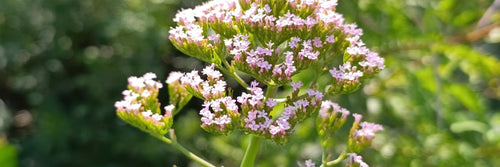
Milk thistle (Silybum marianum) is a thistle-like flowering herb in the Asteraceae family, native to the Mediterranean region, southern Europe, and parts of Asia and North Africa [1][2]. It has been used medicinally for over two millennia — the Greek physician Dioscorides first documented its healing properties around 40–90 AD for treating liver ailments [1][3]. The plant is characterized by its prickly leaves with distinctive white marbling and purple flowers, growing up to 1–2 meters tall [3].
The ripe seeds of the milk thistle plant are the medicinally active part. The most important constituent is silymarin, a complex of flavonolignans that constitutes approximately 1.5–3% of the seed's dry weight [1][5]. Silymarin itself has three major chemical constituents: silybin (also referred to as silibinin or silybinin), which accounts for 50–70% of the complex and is considered most important for therapeutic effects; silychristin (approximately 20–30%); and silydianin (about 10%), along with minor amounts of isosilybin and other isomers [1][5][6]. These flavonolignans are characterized by a flavanone nucleus fused with a phenylpropanoid unit [5].
Beyond the silymarin complex, milk thistle seeds contain other bioactive compounds including flavonoids such as quercetin and taxifolin, significant levels of fatty acids (notably linoleic acid at up to 60% of total lipids, oleic acid, and palmitic acid), approximately 30% proteins, and various phenolic acids like chlorogenic acid [5][7].
Silymarin exerts its pharmacological effects through multiple mechanisms [3][8][9]:
- Antioxidant activity: Scavenges free radicals and reactive oxygen species (ROS), reducing oxidative stress particularly in hepatic cells. Modulates glutathione levels by enhancing synthesis and preventing depletion, bolstering endogenous antioxidant defenses.
- Hepatoprotective effects: Stabilizes hepatocyte cell membranes by binding to receptor sites, inhibiting toxin penetration and maintaining membrane integrity. Suppresses lipid peroxidation. Promotes protein synthesis in liver cells by stimulating RNA polymerase I activity, supporting regeneration and repair.
- Anti-fibrotic effects: Inhibits the TGF-beta pathway by interfering with Smad protein activation, reducing extracellular matrix protein expression (including collagen) and suppressing pro-fibrogenic cytokines such as interleukin-13 (IL-13). Helps reverse established fibrosis and limits further scar tissue formation.
- Anti-inflammatory activity: Modulates inflammatory pathways, reducing markers of inflammation including C-reactive protein.
- Metabolic effects: May improve insulin sensitivity and glucose metabolism through mechanisms that are still being elucidated.
Is Your Liver Health on Track?
Get personalized health recommendations based on your risk factors and lifestyle with the free Health Roadmap tool.
Get Your Personalized Health PlanThe German Commission E approved standardized milk thistle extracts in 1986 for treating toxic liver damage and as a supportive treatment for liver and gallbladder conditions [3][10]. In the European Union, the European Medicines Agency (EMA) recognizes milk thistle fruit as a herbal medicinal product [10]. In the United States, milk thistle is classified as a dietary supplement and is not approved by the FDA for treating any medical condition [2][4].
Forms and Bioavailability
Seed Powder vs. Concentrated Extract
The form of milk thistle product dramatically affects the amount of active silymarin delivered per dose [1]:
- Dry milk thistle seed powder contains only 1.5% to about 3.0% silymarin (approximately 2% when tested by HPLC according to the United States Pharmacopoeia). A 200 mg capsule of seed powder provides only about 10 mg of silymarin.
- Concentrated dry extracts are standardized to approximately 80% silymarin by the older UV-VIS method, which equates to approximately 58% by HPLC — the more specific, official USP testing method. Pills made from dry extracts generally provide more than 100 mg of silymarin per serving.
This distinction is critical: seed powder products deliver far less silymarin than extract products at the same weight. People who prefer whole herb products should be aware that much larger doses will be necessary to match extract doses, and powder products may carry greater risk of contaminant exposure (including lead) [1].
Testing Method Confusion (UV-VIS vs. HPLC)
A significant source of market confusion involves the two testing methods used to quantify silymarin content [1]:
- UV-VIS (ultraviolet-visible spectrophotometry): The older, less specific method. Reports approximately 80% silymarin in standardized extracts but incorrectly counts some non-silymarin compounds as silymarin.
- HPLC (high-performance liquid chromatography): The official USP compendial method. More specific and accurate. Reports approximately 58% silymarin in the same extracts.
Some manufacturers label products as "80% silymarin" based on UV-VIS without disclosing the method, which can mislead consumers into thinking they are getting more silymarin than is actually present [1].
Phospholipid Complexes and Enhanced Absorption
Silymarin has relatively poor oral bioavailability due to its low water solubility and limited intestinal absorption [1][11]. Several strategies have been developed to improve absorption:
Phospholipid complexes (phytosomes): There is evidence that preparations containing phospholipids such as phosphatidylcholine (found in lecithin, obtained from sunflower seed oil or soybean oil) may increase absorption of silymarin and its silybin constituent. Studies in both rats and humans comparing phospholipid-complexed preparations with plain milk thistle extract demonstrated improved absorption, though these studies were conducted when extracts were taken without food — the difference may be smaller when taken with a meal [12]. The branded ingredient Siliphos is one such combination of milk thistle extract and lecithin.
Food effects: Taking milk thistle extract without food may allow silymarin to be more quickly absorbed [1][13]. Product information from the manufacturer of Legalon (a clinically studied milk thistle extract produced by the German company Madaus, containing at least 58% silymarin by HPLC) indicates that fasting administration optimizes absorption.
Half-life considerations: Silymarin has a relatively short half-life of just 1–2 hours [14]. This pharmacokinetic property means that divided doses (e.g., two to three times daily) are preferable to a single daily dose for maintaining plasma levels throughout the day.
Comparison of Key Forms
| Form | Silymarin Content | Absorption | Key Considerations |
|---|---|---|---|
| Seed Powder | ~2% (HPLC) | Standard | Very low silymarin per dose; higher contaminant risk; requires large doses [1] |
| Standardized Extract (80% UV-VIS / ~58% HPLC) | ~58% (HPLC) | Standard | Most common clinical form; basis for most dosing recommendations [1] |
| Phospholipid Complex (e.g., Siliphos) | Varies | Enhanced | Improved bioavailability vs. plain extract; studied in rats and humans [12] |
| Liquid Extract (seed-based) | Very low | Variable | Often not concentrated; may provide negligible silymarin [1] |
| Legalon (clinical-grade) | ≥58% (HPLC) | Standard | Used in many clinical trials; well-characterized formulation [13] |
Standardization and Quality Concerns
A significant challenge in the milk thistle supplement market is quality variability. Studies have revealed substantial variability in silymarin content across commercial products — sometimes deviating by up to 50% from labeled claims — due to differences in extraction methods, plant sourcing, and manufacturing standards [3][15]. The German Commission E standard of 70–80% silymarin (by UV-VIS) remains the most commonly referenced benchmark for clinical-grade extracts [10].
Evidence for Benefits
Diabetes and Blood Sugar Control
Milk thistle has the most consistent evidence for blood sugar management in people with type 2 diabetes, though results are not universal and more research is needed to establish optimal dosing [1][4][17].
Meta-analyses and systematic reviews:
A review of 270 patients across 5 trials with type 2 diabetes found that silymarin in doses ranging from 200 mg to 600 mg daily resulted in significant reductions in fasting blood sugar and HbA1c. There were no significant differences between participants in cholesterol levels. Participants were mostly younger (<70) with BMI less than 30. Silymarin may not be as well absorbed in people who are obese (BMI >30) (Voroneanu, J Diabetes Res, 2016) [17].
A larger follow-up analysis across 16 studies of 1,358 adults with diabetes found that silymarin in doses from 105 mg to 1,000 mg daily lowered fasting blood sugar, HbA1c, total cholesterol, LDL, HOMA-IR (insulin sensitivity), and C-reactive protein, while increasing HDL. Blood sugar-lowering effects were stronger at doses less than 450 mg per day and with treatment durations less than 3 months (Xiao, Medicine, 2020) [18].
An analysis of 663 patients with type 2 diabetes across 6 randomized controlled trials found that 420 mg to 600 mg of silymarin daily was associated with improved insulin sensitivity (Yin, Diab Res Clin Pract, 2025) [19].
Individual clinical trials:
A 4-month, placebo-controlled study in Iran among people with type 2 diabetes on conventional therapy (metformin and glibenclamide) showed that 200 mg of milk thistle extract three times daily (600 mg/day total) decreased blood sugar, HbA1c, and LDL cholesterol levels compared to placebo (Huseini, Phytother Res, 2006) [20].
A 12-month study in Italy found that silymarin extract providing 200 mg of silymarin three times daily (600 mg/day) reduced insulin resistance in people with coexisting diabetes and alcoholic cirrhosis. However, this study was not placebo-controlled (Velussi, J Hepatol, 1997) [21].
Negative findings: A 3-month study in Iran among 48 adults (average age 57) with uncontrolled type 2 diabetes despite use of antidiabetes drugs showed that milk thistle seed extract (Livergol) standardized to 140 mg of silymarin per capsule (total daily dose 420 mg), combined with a controlled diet, did not significantly improve fasting blood sugar, HbA1c, cholesterol levels, weight, or BMI compared to diet alone (Ferdowsi, Phytother Res, 2024) [22].
Synthesis: The evidence suggests that silymarin may modestly improve fasting blood sugar, HbA1c, and insulin sensitivity in people with type 2 diabetes, particularly at doses below 450 mg/day and in non-obese individuals. The effects on cholesterol are less consistent. Milk thistle should not replace conventional diabetes treatment but may be considered as an adjunct under medical supervision.
Metabolic Liver Disease (Fatty Liver / MASLD)
Silymarin has been extensively studied for metabolic dysfunction-associated steatotic liver disease (MASLD, formerly known as non-alcoholic fatty liver disease or NAFLD) and its more severe form, MASH (formerly NASH) [1][23][24].
Cochrane review (2025): A review of 17 clinical trials representing 2,069 patients with MASLD found that supplementing with silymarin alone versus placebo may be effective in reducing certain liver enzymes (ALT, GGT), though the authors were "very uncertain" of this effect due to limited sample sizes and suboptimal study design. Importantly, silymarin complexes (silymarin combined with other supplements or interventions) versus placebo were NOT associated with a reduction in these enzymes. There was no evidence of harm (Wang, Cochrane Rev, 2025) [23].
Large meta-analysis (2,375 patients): An analysis across 26 trials of 2,375 patients with MASLD or MASH found that silymarin therapy reduced total cholesterol and LDL, raised HDL, reduced liver enzymes associated with liver injury, and improved measures of liver fat and biopsy-measured changes [24].
The liver enzyme-lowering effects were confirmed in three separate meta-analyses of over 40 trials, with silymarin used alone or in combination with diet and lifestyle modification, at doses ranging from 140 mg to 1,080 mg daily (Zhong, Medicine, 2017; Kalopitas, Nutrition, 2021; Zhang, Asia Pac J Clin Nutr, 2025) [24][25][26].
Important caveats: Some trials suggest silymarin alone cannot effectively reduce liver enzymes or bad cholesterol markers without combining therapy with a Mediterranean diet or prescribed drugs like statins and antidiabetic medications [26]. A well-designed US study (NCCIH-funded) of silymarin in non-cirrhotics with NASH did not show benefits (Navarro, PLoS One, 2019) [27]. The EASL 2024 guidelines note that silymarin may improve liver enzymes but cite few small RCTs showing no histological benefits [28].
Synthesis: The aggregate evidence suggests that silymarin likely reduces liver enzymes (ALT, AST, GGT) and may improve lipid profiles and liver fat in people with MASLD. However, these biochemical improvements have not been consistently translated into histological (tissue-level) improvements. The strongest effects appear when silymarin is used as an adjunct to lifestyle modifications rather than as monotherapy.
Viral Hepatitis (Hepatitis B and C)
The evidence for milk thistle in viral hepatitis is largely negative [1][4][29].
Cochrane review (2007): A review of 13 studies in more than 900 patients with hepatitis B and C found that silymarin alone or in combination with other interventions did not reduce complications from liver disease, reduce mortality, or improve liver microscopic appearance relative to placebo. Doses ranged from 135 mg to more than 800 mg daily. The reviewers concluded there was insufficient evidence to recommend silymarin for hepatitis B and C (Rimbaldi, Cochrane Database Syst Rev, 2007) [29].
NCCIH-funded hepatitis C trial: A high-quality study of 154 people with hepatitis C randomized to placebo, 420 mg, or 700 mg of silymarin (Legalon) daily found that silymarin in combination with interferon was no different from placebo (Fried, JAMA, 2012) [30].
High-dose safety study: A short-term (7-day) study in non-cirrhotic patients with hepatitis C showed that much higher doses (up to 700 mg three times daily, i.e., 2,100 mg/day) could be given without causing adverse events. However, even these high doses did not cause meaningful reductions in markers of hepatitis viral activity (Hawke, J Clin Pharmacol, 2010) [14].
Synthesis: Despite silymarin's theoretical hepatoprotective properties, it has not been shown to meaningfully benefit patients with viral hepatitis B or C. Well-designed trials including NCCIH-funded research have consistently failed to demonstrate clinical improvement. Silymarin is not recommended as treatment for viral hepatitis.
Alcohol-Related Liver Disease
Evidence for silymarin in alcohol-related liver disease is mixed, with some promising signals but no high-quality confirmatory trials [1][27][31].
Positive findings: An analysis of 15 studies showed that in people with alcoholic liver disease, doses of silymarin between 280 mg and 2,250 mg per day significantly lowered total cholesterol and LDL, reduced liver enzymes, and improved measures of microscopic alcohol-related liver disease (Wang, Front Pharmacol, 2025) [31].
A landmark 1989 RCT of 170 patients with cirrhosis (many with alcoholic etiology) found that 420 mg silymarin daily for a mean of 41 months significantly reduced overall mortality compared to placebo, with a more pronounced effect in the alcoholic cirrhosis subgroup, reporting a 58% four-year survival rate versus 39% in placebo (Ferenci, 1989) [32].
Negative findings: Many subsequent studies have failed to confirm these findings. No high-quality trials conducted in the United States have shown a benefit (Navarro, PLoS One, 2019) [27]. A 2017 meta-analysis concluded that silymarin led to only minimal reductions in liver enzymes without clinical relevance or evidence of reversing histological damage [33]. A systematic review found no significant difference in total mortality (16.1% with silymarin vs. 20.5% placebo) [34].
Clinical guideline positions: The EASL 2018 guidelines on alcohol-related liver disease do not mention or recommend silymarin [28]. The AASLD does not endorse silymarin, prioritizing abstinence and standard therapies [35]. The 2007 Cochrane review suggests use only as a supplementary option in select cases under medical supervision [29].
Synthesis: While some older trials and meta-analyses suggest silymarin may improve biochemical markers in alcoholic liver disease, the evidence base is inconsistent, and major hepatology guidelines do not recommend it. It is not a substitute for alcohol abstinence and standard medical care.
Drug-Induced Liver Injury
Silymarin has shown some of the more consistent evidence in protecting against drug-induced liver injury (DILI), particularly from anti-tuberculosis medications and chemotherapy [1][36][37].
Anti-tuberculosis drug toxicity: An analysis of 1,198 patients across 5 studies found that silymarin, used at 140 mg to 420 mg daily, reduced the rate of drug-induced liver injury (measured by liver enzymes) associated with anti-tuberculosis drugs after 4 weeks of treatment (Tao, Can J Gastroenterol Hepatol, 2019) [36].
Chemotherapy-related liver toxicity: Preliminary evidence suggests that milk thistle extract standardized to 70–80% silymarin may protect the liver against damage from certain toxins including acetaminophen (Tylenol) and phenytoin (Dilantin) [1].
In a study of children with acute lymphoblastic leukemia (ALL) receiving maintenance chemotherapy, milk thistle extract standardized to 33% silybinin was given at a daily dose of 80 mg to 320 mg of silybinin (approximately 5.1 mg/kg/day). Although no benefit was seen during the short 28-day treatment course, one month later the milk thistle-treated children had reductions in levels of liver enzymes indicating toxicity (Ladas, Cancer, 2010) [37].
A recent analysis of 180 patients with cancer being treated with systemic therapy and silymarin (300 mg to 450 mg daily) found that nearly 65–68% experienced reductions in several liver enzymes after 12 weeks (Kohutek, Mol Clin Oncol, 2023) [38].
Dose-response considerations: In treating drug-induced liver toxicity, daily doses of milk thistle providing about 300 mg to 450 mg of silymarin have shown efficacy, while higher doses may not offer further benefit and may potentially cause harm [38][39]. Lower daily doses (<400 mg) may offer better effects for drug-induced liver injury (Shahsavari, BMC Complement Altern Med, 2025) [40].
Synthesis: The evidence for silymarin in preventing or ameliorating drug-induced liver injury is among the stronger areas of the milk thistle research base. It appears most promising as a protective agent during hepatotoxic drug therapy, at moderate doses of 300–450 mg silymarin daily. This application should be discussed with the treating physician.
Menopausal Hot Flashes
Milk thistle may help reduce the severity and frequency of hot flashes in postmenopausal women [1][41].
A placebo-controlled study in Iran randomized 73 postmenopausal women (average age 52) to receive 200 mg of milk thistle extract or placebo twice daily (400 mg/day total) for 8 weeks. The extract was standardized to 80% total silymarin (47.7% silybinin). Key findings (Saberi, Phytother Res, 2020) [41]:
- Women given milk thistle extract reported about 3 fewer hot flashes per day compared to baseline after 8 weeks
- This improvement persisted for 4 weeks after stopping the supplement
- Women reported a 68% reduction in hot flash severity (from 5.25 to 1.70 points on a 10-point scale)
- Frequency and severity remained unchanged in the placebo group
Women with very severe symptoms were excluded, so it is uncertain whether milk thistle would be beneficial in such cases. This is a single trial and requires replication.
Acne Vulgaris (Topical Use)
Based on its antioxidant effects, silymarin has been evaluated in preliminary research as a topical treatment for acne, though results lack placebo-controlled confirmation [1][42][43].
A study of 22 adults with mild-to-moderate acne showed that applying 3–5 drops of serum containing 0.5% silymarin twice daily for 4 weeks reduced the number of lesions from 14.0 to 10.5 and decreased acne severity by 3.04 points (on a 0–24 scale). However, the serum also contained L-ascorbic acid, ferulic acid, and salicylic acid, making it unclear whether benefits were due to silymarin or other ingredients (Kim, J Cosmet Dermatol, 2023) [42].
A study of 4,230 people (average age 19) with acne showed that applying cream containing 25% milk thistle fruit extract twice daily for 8–12 weeks reduced acne severity by 0.8 points (on a 0–5 scale) compared to baseline (Bageorgou, J Cosmet Dermatol, 2023) [43]. Both studies lacked placebo control groups.
Neuroprotective Effects
Preliminary preclinical research suggests silymarin may have neuroprotective properties, with in vitro and animal studies indicating potential to protect brain cells from oxidative stress and inflammation [3][44]. However, no human clinical trials have evaluated milk thistle for neuroprotection, and no conclusions about brain health benefits can be drawn from the existing evidence base.
Cancer (Preclinical)
Silymarin and its constituent silibinin have demonstrated anti-cancer properties in laboratory and animal studies [3][45][46]. Silibinin has been shown in vitro to decrease prostate-specific antigen (PSA) secretion and inhibit growth of prostate cancer cells via G1 cell cycle arrest [45]. Some small human clinical studies have reported that combinations of selenium and silymarin may reduce PSA levels and improve lower urinary tract symptoms in men with benign prostatic hyperplasia [46][47]. All cancer-related findings are preclinical or from very small preliminary studies. Milk thistle should not be used as a cancer treatment.
Breast Milk Production
Milk thistle has been traditionally used for centuries to promote lactation in nursing mothers [2][3]. However, per the NCCIH, it is unclear whether milk thistle has an effect on breast milk production based on current evidence [4]. Little is known about whether it is safe to use during pregnancy or while breastfeeding [4].
Recommended Dosing
Standard Dosing
A common dosage of milk thistle is 200 mg of extract, standardized to 70–80% silymarin by UV-VIS (approximately 58% by HPLC), taken 2 to 3 times per day [1]. This provides approximately 116 mg to 174 mg of silymarin per day as measured by HPLC. Divided doses are preferable to a single daily dose due to silymarin's short half-life of 1–2 hours [14].
Dosing by Condition
| Condition | Daily Dose (Extract) | Silymarin Content | Duration | Notes |
|---|---|---|---|---|
| General liver support | 200 mg x 2–3/day | ~230–350 mg (UV-VIS) | Ongoing | Standard recommendation [1] |
| Type 2 diabetes (adjunct) | 200 mg x 3/day | ~420–600 mg | 3–12 months | Alongside conventional treatment; stronger effects at <450 mg/day [17][18][20] |
| Fatty liver (MASLD) | 140–360 mg x 1–3/day | 140–1,080 mg | 2–12 months | Combined with diet/lifestyle modification [24][26] |
| Cirrhosis of the liver | 420 mg/day total | ~300–330 mg | Long-term | Based on Ferenci 1989 trial [32] |
| Drug-induced liver injury | 300–450 mg silymarin/day | 300–450 mg | During treatment | Higher doses may not offer further benefit [38][39][40] |
| Chronic active hepatitis | 240 mg silybinin x 2/day | 480 mg silybinin | As directed | Silybinin is 30–67% of total silymarin [1] |
| Chemotherapy liver protection (children) | 5.1 mg/kg silybinin/day | 80–320 mg silybinin | 28+ days | Weight-based dosing [37] |
| Menopausal hot flashes | 200 mg x 2/day | ~320 mg (UV-VIS) | 8+ weeks | Single study; limited evidence [41] |
Dose-Response Considerations
Higher doses of silymarin are not necessarily better [1][38][40]:
- For blood sugar control, meta-analysis data suggest effects are stronger at doses less than 450 mg per day [18]
- For drug-induced liver injury, 300–450 mg daily has shown efficacy while higher doses may not offer further benefit and may potentially cause harm [38][39]
- Some authors suggest that lower daily doses (<400 mg) may offer better effects for fatty liver and drug-induced liver injury [40]
- A short-term study demonstrated that doses up to 2,100 mg/day are tolerable but did not produce additional clinical benefit for hepatitis C [14]
How to Take
- Timing: Taking milk thistle extract without food may allow silymarin to be more quickly absorbed [1][13]. Taking with food is also acceptable.
- Divided doses: Due to the short 1–2 hour half-life, splitting the daily dose into 2–3 administrations is preferable [14].
- Extract vs. powder: Use standardized extracts rather than seed powder to ensure adequate silymarin delivery. A 200 mg seed powder capsule provides only about 10 mg of silymarin [1].
Safety and Side Effects
General Safety Profile
Milk thistle and its extracts are generally well-tolerated [1][4][48]. The NCCIH states that milk thistle taken orally "appears to be well tolerated" with digestive symptoms as the most common side effects [4].
Common Side Effects
Gastrointestinal effects are the primary adverse reactions [1][4][48]:
- Laxative effect (infrequent)
- Nausea and diarrhea
- Dyspepsia (indigestion)
- Flatulence, abdominal bloating and pain
- Changes in appetite
- Headache
These effects are generally mild and transient [48].
Allergic Reactions
Allergic reactions may occur, particularly in individuals sensitive to plants in the Asteraceae family (including ragweed, chrysanthemums, marigolds, and daisies) [1][4][48]. Symptoms include itching, rash, hives, and eczema. In rare cases, severe allergic responses including anaphylaxis have been documented [49].
Hormonal Considerations
Milk thistle exhibits estrogenic activity due to certain compounds that modulate estrogen receptors [50]. This has led to contraindication recommendations for people with hormone-sensitive conditions, including breast, uterine, or ovarian cancers [3][48].
Thyroid Function
The silymarin in milk thistle may affect thyroid function, though clinical significance is unclear [1][51]. A laboratory study showed silymarin inhibits a protein (MCT8 — monocarboxylate transporter 8) that facilitates movement of thyroid hormones T3 and T4 across cell membranes, suggesting milk thistle might decrease thyroid hormone levels and the effectiveness of thyroid medication (Johannes, Endocrinology, 2016) [51].
However, a study in 37 adults with bipolar disorder treated with lithium found that milk thistle extract (providing ~140 mg silymarin daily for 10 weeks) led to a modest increase in T4 and decrease in TSH compared to placebo, with no significant changes in T3 (Ataei, Curr Drug Ther, 2024) [52]. Whether this effect applies to people not taking lithium is unknown.
Contamination Concerns
Milk thistle products can be contaminated with yeast, mold (fungi), and mycotoxins [1][4][15]. An analysis of US milk thistle products found that 100% of seed powders and herb powders were contaminated with yeast or mold, as were 88% of whole seed products and 71% of cut herb products. However, none of the supplements sold as tea bags, alcohol-based extracts, oil-based extracts, capsules, or soft gels contained yeast or mold [53].
A study of supplements found that 28% (9/32) contained mycotoxins at about 30–75% of the daily tolerable intake amount [54]. Since mycotoxins can affect the liver, people with liver disease should avoid milk thistle sold as whole seed, cut herb, or powders and should preferentially use capsule or softgel formulations [1].
Pregnancy and Lactation
Little is known about whether it is safe to use milk thistle during pregnancy or while breastfeeding [4]. Many references recommend avoiding use during pregnancy and lactation due to insufficient safety data [48].
High-Dose Tolerance
A 7-day study demonstrated that doses as high as 700 mg silymarin three times daily (2,100 mg/day) could be given without causing adverse events (Hawke, J Clin Pharmacol, 2010) [14]. This suggests a wide therapeutic window, though long-term safety at such high doses has not been established.
Drug Interactions
CYP450 Enzyme Interactions
CYP2C9 inhibition: Milk thistle may inhibit CYP2C9, which metabolizes several important medications including warfarin, amitriptyline, diazepam, and verapamil [1]. A case report described a man in his 30s taking warfarin (36.5 mg/week) whose INR increased from a stable 2.64 to 4.12 approximately four weeks after starting a supplement containing 200 mg of milk thistle. His INR returned to normal one week after stopping the supplement (Lash, J Clin Pharm Ther, 2019) [55].
CYP3A4: In vitro evidence suggests silymarin inhibits CYP3A4, but multiple clinical studies have shown no significant inhibitory effects in humans [56][57]. A study on darunavir-ritonavir found no alteration in pharmacokinetics when co-administered with milk thistle extract [56].
Specific Drug Interactions
| Drug/Drug Class | Interaction | Clinical Significance |
|---|---|---|
| Warfarin | CYP2C9 inhibition; may increase anticoagulant effect | Monitor INR closely; case report of clinically significant INR increase [55] |
| Oral contraceptives | May reduce effectiveness | Use additional contraception if taking milk thistle [1] |
| Hypoglycemic agents (metformin, sulfonylureas, insulin) | May enhance blood sugar-lowering effects | Monitor blood glucose more frequently [48][59] |
| Tamoxifen | May increase absorption | Limited clinical evidence; theoretical concern [48][60] |
| Levothyroxine | May affect thyroid hormone transport | Uncertain clinical significance; monitor thyroid function [51][52] |
| Anti-tuberculosis drugs | Protective — may reduce hepatotoxicity | Potential beneficial co-administration under medical supervision [36] |
| Chemotherapy agents | Protective — may reduce liver toxicity | Use under oncologist supervision only [37][38] |
| Lithium | May modestly affect thyroid function | Modest T4 increase, TSH decrease observed in one study [52] |
| Antiretrovirals (darunavir-ritonavir, indinavir) | No significant interaction in clinical studies | Low risk based on available human data [56][57][58] |
General Recommendations
- Patients taking warfarin or other blood thinners should exercise particular caution and consult their healthcare provider before using milk thistle [1][55]
- People with diabetes using hypoglycemic medications should monitor blood sugar more frequently when starting or stopping milk thistle [48][59]
- Anyone taking prescription medications should discuss milk thistle use with their healthcare provider [4]
- The in vitro CYP3A4 inhibition that raised initial concerns has not been confirmed in clinical studies, reducing the risk profile somewhat [56][57]
Dietary Sources
Unlike minerals and vitamins, silymarin is not found in common dietary foods. Milk thistle is consumed medicinally, not as a staple food. However, certain parts of the plant have been used historically as food [2][3]:
- Seeds: The primary source of silymarin. Used historically in teas and tinctures. Seeds contain 1.5–3% silymarin plus fatty acids, proteins, and phenolic acids.
- Leaves: Young leaves have been consumed as a vegetable in Mediterranean cuisine, similar to artichoke. Less rich in silymarin than the seeds.
- Flower heads: Have been used as an artichoke substitute in some traditional preparations.
- Root: Used as a vegetable in some traditional cultures.
Traditional Preparations
- Tea: Brewed from dried seeds or leaves by steeping in hot water. Delivers lower silymarin concentrations than concentrated extracts due to silymarin's poor water solubility [3].
- Tinctures: Made by soaking plant material in alcohol, allowing for more concentrated extraction of silymarin than water-based preparations [3].
Common Companion Ingredients in Liver Formulas
Milk thistle is frequently combined with other ingredients in liver support formulas [1]:
- Artichoke extract: May help relieve digestive pain by stimulating the gallbladder and liver (Salem, Plant Foods Hum Nutr, 2015; Holtmann, Aliment Pharmacol Ther, 2003) [61][62].
- Schisandra fruit extract: Preliminary evidence suggests a liver benefit.
- Dandelion root extract: A traditional "liver tonic" with little supporting scientific evidence.
- Phyllanthus: Used for hepatitis B with questionable benefit.
Most of these combination formulas have not been clinically tested as a whole, and they are typically more expensive than straight milk thistle products [1].
Is Your Liver Health on Track?
Get personalized health recommendations based on your risk factors and lifestyle with the free Health Roadmap tool.
Get Your Personalized Health PlanReferences
1. ConsumerLab. "Milk Thistle Supplements Review." Accessed 2026. https://www.consumerlab.com/reviews/milk-thistle-and-liver-supplements/milkthistle/
2. National Center for Complementary and Integrative Health (NCCIH). "Milk Thistle." Updated February 2025. https://www.nccih.nih.gov/health/milk-thistle
3. Grokipedia. "Milk Thistle." https://grokipedia.com/page/Milk_Thistle
4. National Center for Complementary and Integrative Health (NCCIH). "Milk Thistle." Updated February 2025. https://www.nccih.nih.gov/health/milk-thistle
5. Abenavoli L, Izzo AA, Milic N, et al. "Milk thistle (Silybum marianum): a concise overview." Phytotherapy Research. 2018;32(11):2202-2213. https://doi.org/10.1002/ptr.6171
6. Emadi SA, et al. "Therapeutic potentials of milk thistle and silymarin on cancer." Iranian J Basic Medical Sciences. 2022;25(10):1166-1176. https://doi.org/10.22038/IJBMS.2022.65596.14428
7. Fenclova M, et al. "Poor chemical and microbiological quality of commercial milk thistle supplements." Scientific Reports. 2019;9(1):11118. https://doi.org/10.1038/s41598-019-47250-0
8. Soleimani V, et al. "Safety and toxicity of silymarin: an updated review." Phytotherapy Research. 2019;33(6):1627-1638. https://doi.org/10.1002/ptr.6361
9. Rambaldi A, et al. "Milk thistle for alcoholic and/or hepatitis B or C liver diseases." Cochrane Database Syst Rev. 2007;(4):CD003620. https://doi.org/10.1002/14651858.CD003620.pub3
10. European Medicines Agency. "Assessment report on Silybum marianum (L.) Gaertn., fructus." https://www.ema.europa.eu/
11. Barzaghi N, et al. "Pharmacokinetic studies on IdB 1016, a silybin-phosphatidylcholine complex." Eur J Drug Metab Pharm. 1990;15(4):333-338.
12. Barzaghi N, et al. "Phospholipid-complexed vs. plain milk thistle extract pharmacokinetics." Eur J Drug Metab Pharm. 1990.
13. Legalon product information. Floridis / Madaus (Germany). Extract standardized to ≥58% silymarin by HPLC.
14. Hawke RL, et al. "Silymarin ascending multiple oral dosing phase I study in noncirrhotic patients with chronic hepatitis C." J Clin Pharmacol. 2010;50(4):434-449. https://doi.org/10.1177/0091270009347475
15. Fenclova M, et al. "Poor chemical and microbiological quality of commercial milk thistle supplements." Scientific Reports. 2019;9(1):11118. https://doi.org/10.1038/s41598-019-47250-0
16. Pickova D, et al. "Presence of mycotoxins in milk thistle food supplements: a review." Toxins (Basel). 2020;12(12):782. https://doi.org/10.3390/toxins12120782
17. Voroneanu L, et al. "Silymarin in type 2 diabetes mellitus: a systematic review and meta-analysis." J Diabetes Res. 2016;2016:5147468. https://doi.org/10.1155/2016/5147468
18. Xiao F, et al. "Therapeutic effects of silymarin for glucose/lipid metabolic dysfunction: a meta-analysis." Medicine (Baltimore). 2020;99(40):e22249. https://doi.org/10.1097/MD.0000000000022249
19. Yin Y, et al. "Silymarin and insulin sensitivity in type 2 diabetes." Diabetes Research and Clinical Practice. 2025.
20. Huseini HF, et al. "Efficacy of Silybum marianum in type II diabetes." Phytother Res. 2006;20(12):1036-1039. https://doi.org/10.1002/ptr.1988
21. Velussi M, et al. "Long-term silymarin treatment in cirrhotic diabetic patients." J Hepatol. 1997;26(4):871-879. https://doi.org/10.1016/S0168-8278(97)80254-7
22. Ferdowsi Z, et al. "Effect of milk thistle seed extract on glycemic control in type 2 diabetes." Phytother Res. 2024.
23. Wang T, et al. "Silymarin for metabolic dysfunction-associated steatotic liver disease." Cochrane Reviews. 2025.
24. Zhong S, et al. "Therapeutic effect of silymarin in NAFLD: a meta-analysis." Medicine (Baltimore). 2017;96(49):e9061. https://doi.org/10.1097/MD.0000000000009061
25. Kalopitas G, et al. "Silymarin therapy in NAFLD/NASH: a systematic review and meta-analysis." Nutrition. 2021.
26. Zhang Y, et al. "Silymarin and liver enzymes in metabolic liver disease." Asia Pac J Clin Nutr. 2025.
27. Navarro VJ, et al. "Silymarin in non-cirrhotics with NASH." PLoS ONE. 2019;14(9):e0221683. https://doi.org/10.1371/journal.pone.0221683
28. European Association for the Study of the Liver (EASL). Clinical practice guidelines on MASLD. 2024.
29. Rambaldi A, et al. "Milk thistle for alcoholic and/or hepatitis B or C liver diseases." Cochrane Database Syst Rev. 2007;(4):CD003620. https://doi.org/10.1002/14651858.CD003620.pub3
30. Fried MW, et al. "Effect of silymarin on liver disease in patients with chronic hepatitis C." JAMA. 2012;308(3):274-282. https://doi.org/10.1001/jama.2012.8265
31. Wang X, et al. "Silymarin in alcoholic liver disease." Front Pharmacol. 2025.
32. Ferenci P, et al. "Randomized controlled trial of silymarin treatment in patients with cirrhosis." J Hepatol. 1989;9(1):105-113. https://doi.org/10.1016/0168-8278(89)90083-4
33. Meta-analysis of 15 RCTs on silymarin in liver diseases. 2017.
34. Systematic review on silymarin mortality outcomes in alcoholic cirrhosis. 2008.
35. American Association for the Study of Liver Diseases (AASLD). "Practice guidance on alcohol-associated liver disease."
36. Tao L, et al. "Silymarin for antituberculosis drug-induced liver injury: a meta-analysis." Can J Gastroenterol Hepatol. 2019;2019:3192539. https://doi.org/10.1155/2019/3192539
37. Ladas EJ, et al. "Milk thistle for hepatotoxicity in childhood ALL." Cancer. 2010;116(2):506-513. https://doi.org/10.1002/cncr.24723
38. Kohutek F, et al. "Silymarin in cancer patients receiving systemic therapy." Mol Clin Oncol. 2023. https://doi.org/10.3892/mco.2023.2628
39. Assis-Junior EM, et al. "Dose-dependent effects of silymarin on drug-induced liver injury." Toxicol Appl Pharmacol. 2017.
40. Shahsavari A, et al. "Optimal dosing of silymarin for liver conditions." BMC Complement Altern Med. 2025.
41. Saberi Z, et al. "Silybum marianum extract for menopausal symptoms." Phytother Res. 2020;34(11):3066-3075. https://doi.org/10.1002/ptr.6745
42. Kim JH, et al. "Silymarin-containing serum for acne vulgaris." J Cosmet Dermatol. 2023.
43. Bageorgou F, et al. "Milk thistle fruit extract cream for acne." J Cosmet Dermatol. 2023.
44. Preclinical studies on silymarin neuroprotection. In vitro and animal models.
45. Zi X, Agarwal R. "Silibinin decreases PSA with cell growth inhibition via G1 arrest." Proc Natl Acad Sci. 1999;96(13):7490-7495. https://doi.org/10.1073/pnas.96.13.7490
46. Vidlar A, et al. "Selenium-silymarin mix reduces lower urinary tract symptoms and PSA." Phytomedicine. https://doi.org/10.1016/j.phymed.2010.09.006
47. Vidlar A, et al. "Safety and efficacy of silymarin and selenium combination after radical prostatectomy." Biomedical Papers. https://doi.org/10.5507/bp.2010.021
48. Soleimani V, et al. "Safety and toxicity of silymarin: an updated review." Phytother Res. 2019;33(6):1627-1638. https://doi.org/10.1002/ptr.6361
49. Anaphylaxis case reports following milk thistle ingestion. Published case literature.
50. Milk thistle estrogenic activity. Estrogen receptor modulation studies.
51. Johannes J, et al. "Silymarin inhibits MCT8-mediated thyroid hormone transport." Endocrinology. 2016. https://doi.org/10.1210/en.2015-1667
52. Ataei M, et al. "Effect of milk thistle extract on thyroid function in lithium-treated bipolar disorder." Curr Drug Ther. 2024.
53. Tournas VH, et al. "Moulds, yeasts, and aerobic plate counts in supplements." Int J Food Microbiol. 2013;164(2-3):76-80.
54. Veprikova Z, et al. "Mycotoxins in plant food supplements." J Ag Food Chem. 2015.
55. Lash A, et al. "Warfarin interaction with milk thistle supplement." J Clin Pharm Ther. 2019. https://doi.org/10.1111/jcpt.12834
56. van Schie RM, et al. "Effect of milk thistle on darunavir-ritonavir pharmacokinetics." Clinical Pharmacology.
57. Clinical studies on milk thistle and CYP3A4 activity in humans.
58. Indinavir pharmacokinetic interaction studies with milk thistle.
59. Grossman M. "Can milk thistle improve glycemic control?" Can J Diabetes. 2018.
60. Tamoxifen interaction studies with milk thistle constituents.
61. Salem MB, et al. "Artichoke leaf extract health benefits." Plant Foods Hum Nutr. 2015. https://doi.org/10.1007/s11130-015-0503-8
62. Holtmann G, et al. "Artichoke leaf extract for functional dyspepsia." Aliment Pharmacol Ther. 2003. https://doi.org/10.1046/j.1365-2036.2003.01593.x