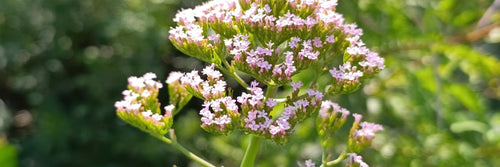


Licorice root, derived from the perennial plant Glycyrrhiza glabra (from the Greek glykos meaning "sweet" and rhiza meaning "root"), has been used in traditional medicine for thousands of years. The earliest documented uses date back to approximately 2500 BCE in Assyrian and Egyptian cultures, where it was employed as an expectorant and digestive remedy [1][2]. By the time of ancient Greek civilization (4th century BCE) and Chinese medicine (documented around 200 BCE), licorice was prescribed for respiratory ailments, sore throats, and gastrointestinal discomfort [2][3].
The major active compound in licorice root is glycyrrhizic acid (also referred to as glycyrrhizin in its natural mineral-bound form), a triterpenoid saponin that provides the root's characteristic intense sweetness — up to 50 times sweeter than sucrose [4][5]. Licorice root powder typically contains 2–15% glycyrrhizic acid, while concentrated licorice root extracts may contain 10–25% [6][7][8]. In the gut, glycyrrhizic acid is partially converted to glycyrrhetinic acid. Both compounds inhibit the enzyme 11β-hydroxysteroid dehydrogenase type 2 (11β-HSD2), which normally converts active cortisol to inactive cortisone. By blocking this enzyme, licorice effectively increases cortisol and aldosterone levels, causing sodium retention, potassium loss (hypokalemia), fluid retention, and increased blood pressure — a condition known as pseudohyperaldosteronism [4][6][9].
Because of these significant risks, deglycyrrhizinated licorice (DGL) was developed in the 1940s–1950s as a safer alternative. DGL is a processed extract from which the majority of glycyrrhizin has been removed, reducing glycyrrhizin content to below 3% (often less than 1%) [4][10][11]. This modification preserves the root's beneficial bioactive compounds — particularly flavonoids (such as glabridin, liquiritigenin, and isoliquiritigenin) and polysaccharides — while minimizing the risk of mineralocorticoid-like adverse effects [10][12].
Beyond glycyrrhizin, licorice root contains hundreds of bioactive compounds. Anethole contributes the characteristic "licorice" flavor (also found in anise and fennel seeds, which do not contain glycyrrhizin and do not carry its health risks) [6]. Glabridin, a prenylated isoflavone, demonstrates anti-inflammatory and antioxidant effects [13][14]. Liquiritigenin possesses estrogen-like activity through interaction with estrogen receptors [14]. Isoliquiritigenin shows antimicrobial activity against various pathogens [14]. Polysaccharides and glycoproteins contribute to mucoprotective effects by promoting mucus secretion and stabilizing the gastric mucosal barrier [14][15].
DGL was first commercialized in the 1950s under the brand Caved-S, which gained traction for ulcer healing in Europe [16]. Its popularity surged in the 2000s as a natural supplement alternative amid growing awareness of long-term proton pump inhibitor (PPI) risks [17]. Today, DGL is primarily used for gastrointestinal support — particularly heartburn, acid reflux, peptic ulcers, and gastritis — and is available in chewable tablets, powders, and lozenges.
Table of Contents
- Overview
- Forms and Bioavailability
- Evidence for Benefits
- Recommended Dosing
- Safety and Side Effects
- Drug Interactions
- Dietary Sources
- References
Overview
Licorice root has a rich history spanning millennia of traditional use, but its modern supplement applications center on two distinct product categories: regular licorice (containing glycyrrhizin) and deglycyrrhizinated licorice (DGL, with glycyrrhizin removed). Understanding the difference is critical for safety.
Regular licorice's primary active compound, glycyrrhizin, inhibits the enzyme that breaks down cortisol and aldosterone. This can increase blood pressure, deplete potassium, and cause fluid retention — effects that are surprisingly easy to trigger through supplements, candy, or tea. Fatal cardiac events have been reported from licorice candy consumption [50].
DGL preserves licorice's beneficial flavonoids (glabridin, liquiritigenin, isoliquiritigenin) and polysaccharides while removing the dangerous glycyrrhizin component. These retained compounds provide anti-inflammatory, antioxidant, and mucosal-protective effects that support gastrointestinal health [10][12][15].
Concerned About Blood Pressure or Digestive Health?
Herbal supplements like licorice have significant interactions. Get personalized guidance on safe supplement choices with the free Health Roadmap.
Get Your Personalized Health PlanForms and Bioavailability
Regular Licorice Root
Regular (non-deglycyrrhizinated) licorice products retain their full glycyrrhizin content:
- Licorice root powder: Contains 2–15% glycyrrhizic acid [7][8]. Available in capsules, loose powder, and as a component of herbal blends.
- Licorice root extract: More concentrated, containing approximately 10–25% glycyrrhizic acid [6][8]. Standardized extracts specify the glycyrrhizin percentage on the label.
- Licorice tea: Highly variable glycyrrhizin content. A study of 33 brands found that a 250 mL (approximately 8 oz) cup of licorice tea contained anywhere from 0.5 mg to 112.5 mg of glycyrrhizic acid, with an average of 31.5 mg per cup [18]. This enormous variability makes dosing unpredictable.
- Licorice candy: Black licorice candy contains glycyrrhizin, though amounts vary widely. One study found that labeled glycyrrhizin amounts were 50% lower than actual measured content [19]. In the US, manufacturers are not required to list glycyrrhizin amounts, although the FDA states soft candies can contain no more than 3.1% glycyrrhizin by weight.
Deglycyrrhizinated Licorice (DGL)
DGL products have had glycyrrhizin removed or substantially reduced. Key forms include:
- Chewable tablets: The most common form, designed to be chewed thoroughly before swallowing to maximize direct contact with the oral and esophageal mucosa. Typically dosed at 380–760 mg per tablet. Chewing is important because the localized coating action is a key part of DGL's mechanism [10][20].
- Powder: Can be mixed with water or other liquids. Allows flexible dosing.
- Lozenges: Designed to dissolve slowly in the mouth, providing prolonged contact with oral and throat tissues. Particularly used for sore throat and canker sore applications [21].
- Capsules: Less common for DGL, since bypassing the mouth and esophagus may reduce the localized mucosal coating benefit.
Standardized Extracts
Some DGL products are standardized to specific flavonoid content rather than simply listing total DGL weight. GutGard (by Natural Remedies Private Limited) is a flavonoid-rich DGL extract standardized to contain greater than 3.5% glabridin and greater than 10% total flavonoids, with glycyrrhizin no more than 3% w/w. This is the extract used in most recent clinical trials [22][23]. Typical dose: 75 mg twice daily. Most non-standardized DGL products list total DGL weight (e.g., 400 mg per tablet) but do not specify flavonoid content or residual glycyrrhizin amount [6].
Comparison Table
| Form | Glycyrrhizin Content | Primary Uses | Key Considerations |
|---|---|---|---|
| Licorice Root Powder | 2–15% | Traditional medicine, tea | High variability; risk of hypertension with regular use |
| Licorice Root Extract | 10–25% | Concentrated supplement | Higher potency increases both benefits and risks |
| DGL Chewable Tablets | <3% (often <1%) | GERD, heartburn, peptic ulcers | Chewing maximizes esophageal coating; preferred form |
| DGL Powder | <3% | GI support, flexible dosing | Can be mixed into liquids |
| DGL Lozenges | <3% | Sore throat, canker sores | Prolonged oral contact for localized effects |
| GutGard (standardized) | <3% | GERD, H. pylori, research | Standardized flavonoid content; most clinical trial data |
| Licorice Tea | 0.5–112.5 mg/cup | Casual consumption | Extremely variable; unpredictable dosing |
| Black Licorice Candy | Variable | Confectionery | Label amounts often inaccurate; not a supplement form |
Production and Quality
The deglycyrrhizination process, first patented in 1962, primarily employs acid-alkali treatment: licorice extract is diluted in water, heated to 40–52°C, and acidified to pH 2.0–3.0 using sulfuric acid. This causes glycyrrhizin to hydrolyze into glycyrrhetinic acid and precipitate. The precipitate is removed via centrifugation, and the solution is neutralized, concentrated, and dried to yield DGL powder containing at most 1% residual glycyrrhizin [24]. Alternative methods include ion-exchange chromatography using macroporous resins [25]. The process typically yields 40–60% of the original extract weight as dry DGL powder [24].
Residual Glycyrrhizin in DGL Products
DGL products are not glycyrrhizin-free. Testing has shown that products listing hundreds of milligrams of DGL per serving still contain several milligrams of glycyrrhizic acid. One product tested contained nearly 2% glycyrrhizic acid (approximately 8 mg per 400 mg of DGL) [6]. The expected maximum is no more than 0.75% of the listed DGL amount, yet half of tested DGL products exceeded this threshold [6]. For single daily servings, residual glycyrrhizin is unlikely to be problematic, but individuals taking multiple servings daily should be aware of cumulative exposure.
Bioavailability of Active Compounds
In DGL extracts, flavonoids represent a higher relative concentration compared to regular licorice due to the removal of glycyrrhizin (which typically comprises 5–15% of unprocessed root). This enrichment may enhance the bioavailability and efficacy of flavonoids for gastrointestinal applications [15]. Glabridin demonstrates anti-inflammatory effects by inhibiting cyclooxygenase-2 (COX-2) and nuclear factor kappa B (NF-κB) pathways [27]. The polysaccharide fraction stimulates mucus production in epithelial cells, providing direct mucosal protection [14][15].
Evidence for Benefits
Gastroesophageal Reflux Disease (GERD) and Heartburn
GERD is the condition with the most relevant clinical evidence for DGL. The mechanism involves DGL coating the esophagus and stomach, enhancing mucus secretion, and providing anti-inflammatory protection to the mucosal lining [10][15].
2025 Phase III RCT (GutGard): The most rigorous trial to date is a randomized, double-blind, placebo-controlled study evaluating GutGard in participants (n=120) with GERD. They took 75 mg of the extract twice daily after meals for 8 weeks. The study found significantly better and faster resolution of GERD symptoms compared to placebo, with meaningful improvement in heartburn severity and regurgitation observed within 2 weeks. However, it did not significantly reduce chest discomfort, sour taste, stomach gurgling, nausea, throat pain, bloating, belching, or flatulence. The study was funded by the extract manufacturer [22][23].
Observational evidence: A small 2017 observational study of 58 participants with GERD reported subjective symptom improvement over two years using a herbal formula containing DGL, but lacked a placebo control and could not isolate DGL's individual effects [28].
Smaller trials: Several small trials (n=50–100) have reported 50–60% reductions in heartburn symptoms, though these generally suffer from methodological limitations [10][23].
Synthesis: DGL may provide modest relief from heartburn and regurgitation when taken around mealtimes, with the best evidence coming from the GutGard extract at 75 mg twice daily. The effects appear limited to certain GERD symptoms rather than providing comprehensive symptom relief. More large-scale, independently funded trials are needed.
Peptic and Duodenal Ulcers
Licorice and DGL have a long history in ulcer treatment, dating back to the 1940s when Dutch physician F.E. Revers observed that whole licorice preparations could promote ulcer healing — but also caused pseudohyperaldosteronism [29]. This led to DGL development in 1952 [30].
Gastric ulcer trial: A double-blind, placebo-controlled trial demonstrated that 2.28 g of DGL daily (760 mg three times daily) significantly reduced gastric ulcer size compared to placebo over 6 weeks [10][23].
Duodenal ulcer trial (positive): One study showed rapid symptom improvement in duodenal ulcer patients with 3–4.5 g of DGL daily [10].
Duodenal ulcer 12-week trial: A double-blind trial involving patients with chronic duodenal ulcers found that four drug regimens including DGL resulted in an overall 91% healing rate after 12 weeks, with no significant difference between groups as confirmed by endoscopic examination [31].
Negative trial: A 1971 double-blind study found no significant difference in healing rates between DGL and placebo for duodenal ulcers [32].
1969 gastric ulcer trial: A clinical trial of DGL in gastric ulcers confirmed efficacy comparable to antacids, with faster healing in smaller lesions and no reported side effects [33].
Mechanism: DGL promotes ulcer healing through multiple pathways: it stimulates prostaglandin synthesis, enhances mucus production, promotes proliferation of mucus-producing cells, and increases blood flow to the mucosal lining [15][34]. The anti-inflammatory flavonoids suppress COX-2 and NF-κB pathways without affecting constitutive COX-1 activity [27].
Synthesis: Evidence from multiple trials suggests DGL can promote gastric ulcer healing at doses of 760 mg three times daily or higher. Results for duodenal ulcers are mixed. Most studies are older (pre-2000) with small sample sizes. DGL is no longer first-line ulcer treatment but may serve as adjunctive therapy.
Helicobacter pylori
H. pylori infection is the primary cause of most peptic ulcers and a major risk factor for gastric cancer. DGL flavonoids, particularly liquiritigenin, disrupt H. pylori adhesion to gastric epithelial cells and inhibit biofilm formation [35][36].
2013 RCT (GutGard): A randomized, double-blind, placebo-controlled trial (n=100) evaluated GutGard (150 mg daily for 60 days) for H. pylori eradication. The study found a 56% H. pylori-negative rate via stool antigen test in the DGL group versus just 4% in placebo. Similarly, 48% tested negative via urea breath test compared to 2% in placebo — a 30–50% greater reduction in bacterial markers [37].
In vitro evidence: Laboratory studies support DGL's inhibitory effects on H. pylori adhesion and growth through disruption of bacterial attachment and interference with biofilm community structure [15][35][36].
Practical note: DGL is not a replacement for standard H. pylori antibiotic therapy. However, it may have value as an adjunctive treatment, potentially enhancing eradication rates by 20–40% [15][37].
Gastritis and Dyspepsia
DGL addresses gastritis and dyspepsia through its barrier-enhancing properties and anti-inflammatory actions. Glabridin inhibits COX-2 and NF-κB pathways, reducing production of pro-inflammatory cytokines including TNF-α and IL-6 [27]. A randomized, double-blind, placebo-controlled study found that GutGard alleviated symptoms of functional dyspepsia [23]. The phenolic groups in DGL's flavonoids also provide antioxidant activity by scavenging free radicals and preventing lipid peroxidation in gastrointestinal tissues [15][38].
Oral Health: Canker Sores and Dental Caries
Canker sores: In a clinical study, a DGL mouthwash (200 mg dissolved in 200 mL warm water, used four times daily) resulted in 75% of patients experiencing 50–75% improvement in canker sore symptoms within one day, with complete healing by day three [39].
Dental health: Emerging evidence suggests antimicrobial activity of DGL compounds against Streptococcus mutans, the primary bacterium responsible for dental caries. Isoliquiritigenin disrupts microbial cell membranes [10][14][40]. However, clinical trials specifically evaluating DGL for dental caries prevention are lacking.
Sore throat: DGL lozenges form a protective, anti-inflammatory layer over inflamed mucosa, though specific clinical trials on DGL lozenges for sore throats remain limited [15].
Adrenal Insufficiency
Regular (non-DGL) licorice was traditionally used for adrenal insufficiency (Addison's disease) because glycyrrhizin blocks cortisol-to-cortisone conversion, raising cortisol levels [4][6]. However, not all individuals respond, and benefit may diminish as adrenal function declines [41][42]. Important: This use applies to regular licorice containing glycyrrhizin, NOT to DGL. The evidence is limited to case reports and small studies. Modern treatment relies on hormone replacement therapy, not licorice [4][6].
Fatigue and Chronic Fatigue Syndrome
An anecdotal report suggested that licorice may reduce fatigue in chronic fatigue syndrome by increasing sodium retention and blood pressure [43]. However, no clinical studies have confirmed this [6][43]. This remains an unproven use with significant safety concerns.
Stress, Anxiety, and Depression
Despite evidence from laboratory studies suggesting potential benefits of licorice compounds for stress, anxiety, and depression, there are no published clinical studies evaluating licorice or DGL for these conditions in humans [44]. These remain theoretical applications without clinical validation.
Skin Health (Topical Applications)
A study evaluated topical licorice gel for atopic dermatitis with results suggesting anti-inflammatory benefits [45]. Glabridin has demonstrated anti-inflammatory and antioxidant effects in skin cell studies [13][14]. These topical applications are distinct from oral DGL supplementation.
Recommended Dosing
DGL (Deglycyrrhizinated Licorice)
| Indication | Dose | Frequency | Duration | Form | Notes |
|---|---|---|---|---|---|
| GERD / heartburn | 75 mg standardized extract (GutGard) | Twice daily after meals | 4–8 weeks | Tablets | Based on 2025 RCT [22] |
| GERD / heartburn | 380–760 mg DGL | 20 min before each meal | 4–8 weeks | Chewable tablets | Traditional dosing; chew thoroughly [20] |
| Peptic/gastric ulcers | 760 mg DGL | Three times daily before meals | 6–16 weeks | Chewable tablets | Based on ulcer healing trials [10][31] |
| Duodenal ulcers | 1,000–1,500 mg DGL | Three times daily (3–4.5 g/day) | 8–12 weeks | Chewable tablets | Higher dose range [10] |
| H. pylori (adjunct) | 150 mg standardized extract (GutGard) | Once daily | 60 days | Tablets | Adjunct to antibiotics [37] |
| Canker sores | 200 mg in 200 mL warm water | Four times daily as mouthwash | 1–3 days | Powder in water | Topical oral use [39] |
| General GI support | 380–760 mg DGL | Before meals | As needed | Chewable tablets | Maintenance dosing [20] |
Key dosing principles: Chew DGL tablets thoroughly before swallowing to maximize direct mucosal contact [10][20]. Take DGL approximately 20–30 minutes before meals for optimal coating [6][20]. For bedtime reflux, an additional dose before bed may help [6]. The maximum well-studied dose is 4.5 g daily for up to 4 months [10][46]. Health Canada authorizes DGL at 380–1,520 mg three times daily (1.14–4.56 g/day) for adults, provided the product contains no more than 3% glycyrrhizic acid [20].
Regular Licorice (Glycyrrhizin-Containing)
Regular licorice use requires extreme caution. The European Commission Scientific Committee on Food recommends limiting glycyrrhizin to no more than 100 mg/day for most healthy adults, though this may be too high for people with high blood pressure or kidney disease [9]. A more conservative limit of 10 mg/day has been proposed as safe for most healthy people [47]. The FDA warns that for adults 40 or older, eating 2 oz of black licorice daily for at least two weeks can cause problems [19]. A study showed that 100 mg glycyrrhizin daily raised systolic blood pressure by approximately 3 mmHg in healthy young adults, with effects appearing as early as five days [19].
How to Read a Licorice/DGL Supplement Label
- "DGL" or "Deglycyrrhizinated licorice": Glycyrrhizin has been removed. Should contain less than 3%, though actual amounts are often not disclosed.
- "Licorice root" or "Glycyrrhiza glabra root": Contains full glycyrrhizin content unless otherwise specified.
- "Standardized to X% glabridin": Indicates quality-controlled extract with specified active compound levels.
- Glycyrrhizin content: Rarely disclosed on DGL products despite being the most important safety parameter.
Safety and Side Effects
Regular Licorice (Glycyrrhizin-Containing)
Regular licorice carries significant health risks with doses surprisingly easy to reach through supplements, candy, or tea. Glycyrrhizin inhibits 11β-HSD2, resulting in mineralocorticoid excess: sodium retention, potassium excretion, fluid accumulation, and elevated blood pressure [4][6][9].
Reported adverse effects include: loss of potassium (hypokalemia), fluid retention (edema), increased blood pressure (hypertension), abnormal heart rhythms (arrhythmias), lethargy and muscle weakness, and metabolic alkalosis [4][6][9].
Case reports illustrating severity:
Stroke from licorice supplement: A 68-year-old woman developed dangerously high blood pressure (219/123 mmHg) resulting in a stroke after taking a Chinese herbal supplement providing 800 mg of licorice root daily for just two weeks. Her physicians noted she could have been consuming 8 times the maximum recommended glycyrrhizin dose [48].
Acquired mineralocorticoid excess syndrome: A 65-year-old woman developed high blood pressure (197/89 mmHg), low potassium, high sodium, metabolic alkalosis, and adrenergic symptoms four months after beginning a liver support supplement containing 1,000 mg of licorice root extract with at least 200 mg glycyrrhizic acid (twice the European daily limit). Symptoms resolved two weeks after stopping [49].
Fatal cardiac arrest from licorice candy: A 54-year-old man went into cardiac arrest and died after consuming one to two large packages of licorice-flavored soft candy for three weeks [50].
Severe hypokalemia from licorice tea: A woman drinking five to six cups daily of licorice tea was found to have blood potassium of just 2.0 mEq/L (normal: 3.5–5.3) [51]. An 84-year-old man developed extremely high blood pressure, headache, chest pain, and low potassium after two weeks of 1–2 glasses daily of homemade licorice root extract [52]. A 57-year-old man experienced atrial fibrillation after four glasses daily of licorice root syrup for one month [53].
Licorice candy safety: An analysis of 219 licorice-containing products in Denmark found that among high-glycyrrhizin items, eating just 4.3 g of candy, 59 g of ice cream, or drinking 83 mL of tea would exceed the 100 mg/day glycyrrhizin limit. Pure licorice products contained 18 times as much glycyrrhizin as other candies [54].
DGL Safety Profile
DGL is generally well-tolerated. Reported adverse reactions include occasional nausea or allergic responses (rash, itching), occurring in fewer than 5% of users [10][12][46]. Unlike regular licorice, DGL at recommended doses does not cause hypertension or hypokalemia.
Residual glycyrrhizin concern: Some DGL products contain up to 2% glycyrrhizic acid. Multiple daily servings on a long-term basis could result in clinically meaningful glycyrrhizin exposure [6]. DGL is considered safe for up to 4 months at doses up to 4.5 g daily [10][46].
Populations Who Should Avoid All Forms of Licorice (Including DGL)
- People with high blood pressure — even residual glycyrrhizin in DGL could potentially worsen hypertension
- People with heart disease or heart failure — risk of fluid retention and potassium depletion
- People with kidney disease — impaired sodium excretion and potassium balance
- Pregnant women — linked to preterm birth; may decrease prolactin and reduce milk production [55]
- Nursing women — insufficient safety data [55]
- People with hormone-sensitive conditions (breast cancer, endometriosis) — licorice flavonoids possess phytoestrogenic activity [10][14][46]
- People with Cushing's syndrome or other conditions affecting cortisol/aldosterone metabolism [9]
Onset and resolution: Blood pressure effects from glycyrrhizin can appear within days — as early as five days in one study [19]. Symptoms typically develop within 2–4 weeks of daily use and resolve within 1–2 weeks after discontinuation [48][49].
Drug Interactions
Regular Licorice — Significant Interactions
| Drug/Drug Class | Interaction | Clinical Significance |
|---|---|---|
| Corticosteroids (prednisone, hydrocortisone) | Potentiates corticosteroid effects by inhibiting cortisol breakdown | May increase steroid side effects [4][6] |
| Diuretics (furosemide, thiazides) | Additive potassium loss | Dangerous; can cause severe hypokalemia [4][9] |
| Digoxin | Hypokalemia increases digoxin toxicity risk | Potentially fatal arrhythmia risk [4][56] |
| Antihypertensives | Licorice raises blood pressure | Can cause treatment failure [4][6] |
| Warfarin/anticoagulants | May affect drug metabolism via CYP450 | Monitor INR more frequently [4] |
| Oral contraceptives/HRT | Estrogen may potentiate hypertensive effects | Additive risk of hypokalemia [4][6] |
| Spironolactone | Counteracts potassium-sparing effects | Negates therapeutic benefit [4][9] |
| Insulin/oral hypoglycemics | Cortisol excess raises blood glucose | May worsen glycemic control [4][6] |
| Laxatives | Additive potassium depletion | Increases hypokalemia risk [4] |
DGL — Minimal Interactions
Due to low glycyrrhizin content, drug interactions with DGL are substantially reduced [10][46][56]. Risk of enhancing digoxin effects or potentiating diuretics is negligible at standard doses. However, monitoring may be prudent in sensitive individuals, particularly those on multiple potassium-lowering medications. Important caveat: Some DGL products contain more residual glycyrrhizin than expected. Individuals taking digoxin, diuretics, or antihypertensives should exercise extra caution even with DGL products.
Dietary Sources
Licorice root is not a typical dietary component in Western diets but appears in various food products and beverages:
| Source | Typical Glycyrrhizin Content | Notes |
|---|---|---|
| Black licorice candy | Variable (up to 3.1% by weight in US) | Pure licorice candies contain dramatically more than mixed candies [54] |
| Licorice tea | 0.5–112.5 mg per 250 mL cup | Extremely variable between brands [18] |
| Licorice root (raw/dried) | 2–15% of root weight | Chewed or brewed in traditional medicine [7][8] |
| Licorice-flavored products | Often zero (anise-flavored) | Most US "licorice" foods use anise or fennel [6] |
| Throat Coat tea and herbal teas | Variable | Often contain licorice root; amounts rarely specified [51] |
| Chinese herbal formulations | Variable | Licorice (Gan Cao) is among the most-used TCM herbs [2][57] |
| European licorice confections | Often higher than US | EU requires warning labels; compliance incomplete [9][54] |
Important Distinctions
- Anise, fennel, and star anise all provide a "licorice-like" flavor via anethole but do NOT contain glycyrrhizin [6].
- "Red licorice" (e.g., Twizzlers) typically contains no actual licorice root or glycyrrhizin — it is flavored with strawberry or cherry.
- Licorice root in herbal teas can be a hidden source of glycyrrhizin. Check ingredient lists for Glycyrrhiza glabra or "licorice root."
Geographic and Cultural Context
Glycyrrhiza glabra is native to the Mediterranean region. Major cultivation occurs in Turkey, Greece, and China (approximately 70% of worldwide production) [3][58]. Roots are typically harvested after 3–4 years of growth. In traditional Chinese medicine, licorice root (Gan Cao) is one of the most frequently prescribed herbs, used as a "harmonizing" agent in complex herbal formulas [2][57]. Due to overexploitation in wild populations, sustainable harvesting practices are increasingly important [58][59].
Concerned About Blood Pressure or Digestive Health?
Herbal supplements like licorice have significant interactions. Get personalized guidance on safe supplement choices with the free Health Roadmap.
Get Your Personalized Health PlanReferences
1. National Center for Complementary and Integrative Health (NCCIH). "Licorice Root." https://www.nccih.nih.gov/health/licorice-root
2. Wang L, et al. "Glycyrrhiza glabra (Licorice): A Comprehensive Review on Its Phytochemistry, Biological Activities, Clinical Evidence and Toxicology." Phytomedicine. 2020. doi: 10.1016/j.phymed.2020.153282
3. Pastorino G, Cornara L, Soares S, et al. "Liquorice (Glycyrrhiza glabra): A phytochemical and pharmacological review." Phytother Res. 2018;32(12):2323-2339. doi: 10.1002/ptr.6178
4. Omar HR, et al. "Licorice abuse: time to send a warning message." Ther Adv Endocrinol Metab. 2012;3(4):125-138. doi: 10.1177/2042018812454322
5. Isbrucker RA, Burdock GA. "Risk and safety assessment on the consumption of Licorice root." Regul Toxicol Pharmacol. 2006;46(3):167-192. doi: 10.1016/j.yrtph.2006.06.002
6. ConsumerLab. "DGL and Licorice Root Supplement Review." Accessed 2026. https://www.consumerlab.com/reviews/dgl-licorice-root-supplement-tea-candy/licorice/
7. Fry JC. "Licorice flavoring." In: Natural Food Additives, Ingredients and Flavourings. 2012.
8. Sohail M, et al. "Chemical analysis of glycyrrhizic acid in licorice." J Food Biochem. 2017. doi: 10.1111/jfbc.12376
9. European Scientific Committee on Food. "Opinion on glycyrrhizinic acid and its ammonium salt." 2003.
10. Grokipedia. "Deglycyrrhizinated licorice." https://grokipedia.com/page/Deglycyrrhizinated_licorice
11. NIH NCCIH. "Licorice Root: Overview." 2020. https://www.nccih.nih.gov/health/licorice-root
12. Raveendra KR, et al. "DGL for acid reflux: Supplement efficacy and clinical safety." Alternative Medicine Review. 2012.
13. Simmler C, Pauli GF, Chen SN. "Phytochemistry and biological properties of glabridin." Fitoterapia. 2013;90:160-184. doi: 10.1016/j.fitote.2013.07.003
14. Aly AM, Al-Alousi L, Salem HA. "Licorice: a possible anti-inflammatory and anti-ulcer drug." AAPS PharmSciTech. 2005;6(1):E74-E82. doi: 10.1208/pt060113
15. Glycyrrhiza glabra monograph. Alternative Medicine Review. 2005;10(3):230-237. https://altmedrev.com/wp-content/uploads/2019/02/v10-3-230.pdf
16. Turpie AG, et al. "Clinical trial of deglycyrrhizinized liquorice in gastric ulcer." Gut. 1969;10(4):299-302. doi: 10.1136/gut.10.4.299
17. Life Extension. "Nutritional Dangers of Acid Reflux Medications." Life Extension Magazine. June 2013.
18. Allcock E, et al. "Licorice tea consumption and hypokalemia." BMJ Case Reports. 2015. doi: 10.1136/bcr-2015-209942
19. Geijerstam A, et al. "Effects of licorice candy on blood pressure in healthy young adults." Am J Clin Nutr. 2024. doi: 10.1016/j.ajcnut.2024.03.013
20. Health Canada. "Natural Health Product Monograph: Deglycyrrhizinated Licorice." https://webprod.hc-sc.gc.ca/nhpid-bdipsn/monoReq.do?id=77
21. Das SK, et al. "Deglycyrrhizinated liquorice in aphthous ulcers." J Assoc Physicians India. 1989;37(10):647. PMID: 2632490
22. Raj A, et al. "Efficacy of GutGard in the management of gastroesophageal reflux disease." Complement Med Res. 2025. doi: 10.1159/000536529
23. Raveendra KR, et al. "An extract of Glycyrrhiza glabra (GutGard) alleviates symptoms of functional dyspepsia." Evid Based Complement Alternat Med. 2012;2012:216970. doi: 10.1155/2012/216970
24. US Patent 3,046,195. "Process for deglycyrrhizinating licorice." 1962.
25. Dong Y, et al. "Separation of glycyrrhizic acid from licorice root extract using macroporous resins." J Chromatogr A. 2015. doi: 10.1016/j.chroma.2015.01.077
26. HPLC quantification methods for glycyrrhizin and flavonoids in licorice extracts.
27. Chandrasekaran CV, et al. "Dual inhibitory effect of Glycyrrhiza glabra (GutGard) on COX and LOX products." Phytomedicine. 2011;18(4):278-284. doi: 10.1016/j.phymed.2010.08.001
28. Yeh AM, Golianu B. "Integrative treatment of reflux and functional dyspepsia in children." Children (Basel). 2014;1(2):119-133. doi: 10.3390/children1020119
29. Revers FE. "De behandeling van het ulcus ventriculi met succus liquiritiae." Ned Tijdschr Geneeskd. 1946;90:135-137.
30. Revers FE. "Heeft succus liquiritiae een genezende werking op de maagzweer?" Ned Tijdschr Geneeskd. 1952;96:2598-2602.
31. Morgan AG, et al. "Comparison of cimetidine, antacid, DGL, and placebo in duodenal ulcer." Gut. 1982. PMID: 3891678
32. Engqvist A, et al. "A trial of deglycyrrhizinated liquorice in the treatment of duodenal ulcer." Gut. 1973;14:711-715. doi: 10.1136/gut.14.9.711
33. Turpie AG, et al. "Clinical trial of deglycyrrhizinized liquorice in gastric ulcer." Gut. 1969;10:299-302. doi: 10.1136/gut.10.4.299
34. Van Marle J, et al. "Deglycyrrhizinised liquorice (DGL) and the renewal of rat stomach epithelium." Eur J Pharmacol. 1981;72(2-3):219-225. doi: 10.1016/0014-2999(81)90279-x
35. Wittschier N, et al. "The antimicrobial effects of deglycyrrhizinated licorice root extract on Helicobacter pylori." J Ethnopharmacol. 2009. doi: 10.1016/j.jep.2009.02.039
36. Asha MK, et al. "Pharmacological effects and underlying mechanisms of licorice-derived flavonoids on H. pylori." J Nat Med. 2013. doi: 10.1007/s11418-012-0644-7
37. Puram S, et al. "Effect of GutGard in the management of Helicobacter pylori." Evid Based Complement Alternat Med. 2013;2013:263805. doi: 10.1155/2013/263805
38. Yang R, et al. "Aqueous extracts and polysaccharides from Liquorice roots: antioxidant and mucosal protective activity." Food Chem. 2018. doi: 10.1016/j.foodchem.2018.05.109
39. Das SK, et al. "Deglycyrrhizinated liquorice in aphthous ulcers." J Assoc Physicians India. 1989;37:647. PMID: 2632490
40. Ajagannanavar SL, et al. "The Power of Licorice to Improve Oral Health." Int J Pharm Sci Res. 2014.
41. Methlie P, et al. "The effects of licorice on cortisol metabolism and adrenal insufficiency." Eur J Endocrinol. 2011;165(5):761-769. doi: 10.1530/EJE-11-0525
42. Cotterill JA. "Licorice and Addison's disease." Lancet. 1973;1(7796):294-295.
43. Baschetti R. "Chronic fatigue syndrome and liquorice." N Z Med J. 1995;108(1003):300.
44. Wang J, et al. "Potential benefits of licorice for stress, anxiety and depression." Heliyon. 2023. doi: 10.1016/j.heliyon.2023.e17506
45. Saeedi M, et al. "The treatment of atopic dermatitis with licorice gel." J Dermatolog Treat. 2003;14(3):153-157. doi: 10.1080/09546630310014369
46. Drugs.com. "Licorice Uses, Benefits & Dosage." https://www.drugs.com/npc/licorice.html
47. Stormer FC, et al. "Glycyrrhizic acid in liquorice — evaluation of health hazard." Food Chem Toxicol. 1993;31(4):303-312. doi: 10.1016/0278-6915(93)90080-i
48. Shin IS, et al. "Licorice-induced stroke." Neurohospitalist. 2019;9(1):45-47. doi: 10.1177/1941874418765333
49. Szendrey S, et al. "A case of acquired mineralocorticoid excess syndrome from a licorice-containing supplement." J Med Case Rep. 2024;18:84. doi: 10.1186/s13256-024-04404-1
50. Edelman ER, et al. "Case 30-2020: A 54-Year-Old Man with Sudden Cardiac Arrest." N Engl J Med. 2020;383:1263-1275. doi: 10.1056/NEJMcpc2002420
51. Saha A, et al. "Severe hypokalemia from excessive licorice tea consumption." Cureus. 2025. doi: 10.7759/cureus.57219
52. Falet JP, et al. "Hypokalemia and hypertension from licorice root extract consumption." CMAJ. 2019;191(21):E581. doi: 10.1503/cmaj.181360
53. Erkus ME, et al. "Licorice root syrup consumption-induced atrial fibrillation." Turk Kardiyol Dern Ars. 2016;44(6):517-519. doi: 10.5543/tkda.2016.25044
54. Ballin NZ, et al. "Glycyrrhizin in licorice-containing candies, ice cream, and tea in Denmark." Food Control. 2022;141:109152. doi: 10.1016/j.foodcont.2022.109152
55. LactMed. "Licorice." National Library of Medicine. 2021. https://www.ncbi.nlm.nih.gov/books/NBK501922/
56. Drugs.com. "Digoxin and licorice interactions." https://www.drugs.com/interactions-check.php?drug_list=920-0,4115-0
57. Chinese Pharmacopoeia Commission. "Pharmacopoeia of the People's Republic of China." 2020 edition.
58. Shu G, et al. "Glycyrrhiza glabra: Botany, cultivation, and sustainable use." In: Medicinal Plants and Fungi. 2019.
59. Eisenman SW. "Need for Sustainable Utilization and Conservation of Glycyrrhiza Species." Medicinal Plant Conservation. 2017.