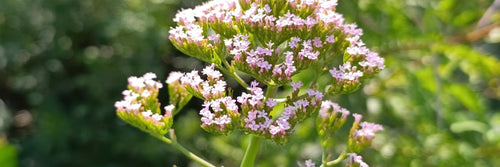


Holy basil (Ocimum sanctum or Ocimum tenuiflorum) is a shrub in the basil family (Lamiaceae) thought to have originated in the Indian subcontinent. In traditional Ayurvedic medicine, holy basil is known as "tulsi," "The Queen of Herbs," and "the elixir of life," where it has been used for thousands of years to boost general health, well-being, and longevity and to assist in dealing with the stresses of daily life [1]. It is classified as an adaptogen — a natural substance that helps the body adapt to stress and exerts a normalizing effect on physiological processes [1][2].
Preliminary clinical studies suggest holy basil may reduce symptoms of stress and anxiety, modestly lower blood sugar levels in people with type 2 diabetes, and enhance immune function. However, the chemical make-up of holy basil extracts and powders used in some studies was not well defined, and most human trials have been small (fewer than 200 participants), short-term (1-3 months), and some lacked placebo controls [2]. This article reviews all available human clinical evidence, forms, dosing, safety concerns, and drug interactions.
Table of Contents
- Overview
- Forms and Bioavailability
- Evidence for Benefits
- Recommended Dosing
- Safety and Side Effects
- Drug Interactions
- Dietary Sources
- References
Overview
Holy basil (Ocimum sanctum or Ocimum tenuiflorum) is a shrub in the basil family (Lamiaceae) thought to have originated in the Indian subcontinent. In traditional Ayurvedic medicine, holy basil is known as "tulsi," "The Queen of Herbs," and "the elixir of life," where it has been used for thousands of years to boost general health, well-being, and longevity and to assist in dealing with the stresses of daily life [1]. It is considered one of the most important plants in Ayurveda and is grown in nearly every Hindu household, where it holds religious and medicinal significance [1][2].
Unlike common sweet basil (Ocimum basilicum) used in cooking, holy basil has a distinctly different phytochemical profile, with higher concentrations of bioactive compounds such as eugenol, ursolic acid, rosmarinic acid, and oleanolic acid [2][3].
The leaves and stems of holy basil contain a wide variety of compounds including the triterpenes oleanolic acid and ursolic acid, saponins, flavonoids, and phenols such as eugenol [2][3]. These active constituents are believed to account for the plant's pharmacological effects:
- Eugenol is thought to be responsible for analgesic (pain-relieving) effects and, to some extent, blood-sugar-lowering effects [2][3]. It comprises approximately 40% to 70% of essential oil derived from holy basil leaves [4][5]. Eugenol is also found in clove oil, cinnamon, and nutmeg, and has documented anti-inflammatory, antioxidant, and antimicrobial properties [3].
- Ursolic acid has been shown in laboratory and animal studies to have anti-inflammatory, tumor-inhibiting, and blood-sugar-lowering effects [6]. It is also found in other herbs such as lavender, oregano, thyme, and cloves, and in apple peels [6].
- Oleanolic acid is another pentacyclic triterpene with hepatoprotective (liver-protecting), anti-inflammatory, and antitumor properties demonstrated in preclinical models [2][7].
- Rosmarinic acid is a polyphenol with antioxidant and anti-inflammatory activity, also found in rosemary, lemon balm, and perilla [2][8].
- Ocimumosides A and B are acylated glycosides identified in holy basil that have demonstrated anti-stress activity in animal models by normalizing stress-induced changes in neurotransmitter levels and corticosterone [9].
The United States Pharmacopeia (USP) has established the identity and quality of holy basil leaf based on the weight of the two primary triterpenes (oleanolic acid and ursolic acid), which should represent at least 0.5% of the weight of the ingredient [2]. Although extracts would typically be expected to have a higher concentration of these triterpenes than a leaf powder, the USP has not yet established such a standard for holy basil leaf extract, other than it should provide 90% to 125% of the claimed amount of triterpenes [2].
Managing Stress With the Right Approach?
Holy basil may support stress resilience, but a complete health plan addresses the bigger picture. Get personalized recommendations with Health Roadmap.
Get Your Personalized Health PlanThree principal varieties of holy basil are recognized and used medicinally [1][10]:
- Rama tulsi (Ocimum sanctum) — green-leaved variety, milder flavor, commonly cultivated in gardens
- Krishna tulsi (also called Shyama tulsi; Ocimum tenuiflorum) — purple-leaved variety, considered to have a stronger taste and sometimes higher concentrations of certain phytochemicals
- Vana tulsi (Ocimum gratissimum) — wild-growing variety found in parts of Africa and Southeast Asia, with somewhat different chemical composition including higher carvacrol content
All three varieties contain eugenol, ursolic acid, rosmarinic acid, and other bioactive compounds, though the relative concentrations differ. Most clinical research and commercial supplements use Rama or Krishna tulsi, or blends of both [1][10].
In Ayurvedic tradition, holy basil has been used for over 3,000 years as a treatment for a wide variety of conditions including respiratory disorders (coughs, colds, bronchitis, asthma), gastrointestinal complaints, skin diseases, arthritis, eye disorders, and as a general tonic to promote longevity [1][2]. The plant is referenced in the Charaka Samhita, one of the principal texts of Ayurveda, and is classified as a "rasayana" — a rejuvenating herb that promotes long life and overall health [1].
Modern scientific interest in holy basil has grown substantially since the early 2000s, driven by its classification as an adaptogen and growing consumer demand for natural stress-management supplements. A 2014 review published in the Journal of Ayurveda and Integrative Medicine documented over 200 published studies on Ocimum sanctum and concluded that holy basil shows significant adaptogenic and pharmacological activity, though called for more rigorous clinical trials [1].
Forms and Bioavailability
Holy basil supplements are commercially available in several forms, each with distinct characteristics that affect potency, bioavailability, and clinical applicability.
Available Forms
| Form | Description | Typical Dose Range | Standardization | Primary Uses |
|---|---|---|---|---|
| Leaf Powder | Whole, dry, crushed leaves ground to fine powder | 1,000-2,500 mg/day | ≥0.5% triterpenes (USP standard) | Blood sugar management, general wellness |
| Standardized Leaf Extract | Concentrated extract, 5:1 to 20:1 ratio | 250-1,200 mg/day | 2.5-5% triterpene acids; may include eugenol, rosmarinic acid | Stress, anxiety, immune support, cognition |
| Essential Oil (Leaf) | Steam-distilled oil from leaves | Not typically taken orally | 40-70% eugenol | Aromatherapy, topical use (diluted) |
| Seed Oil | Pressed from holy basil seeds | Not widely available | Linoleic acid 52%, linolenic acid 17%, oleic acid 14% | Animal studies only [11][12][13] |
| Tulsi Tea | Dried leaves brewed as infusion | 1-3 cups/day | Not standardized | General wellness, mild calming effect |
| Liquid Tincture/Extract | Alcohol- or glycerin-based liquid | 30-60 drops, 2-3 times daily | Variable | Convenience, flexible dosing |
Key Active Compounds and Standardization
The clinical activity of holy basil supplements depends on the concentration of key bioactive compounds. Not all products are standardized, and the active constituent profile varies considerably between products:
Triterpene acids (oleanolic acid + ursolic acid): These are the primary markers used by the USP for quality assessment. Leaf powders should contain at least 0.5% triterpene acids by weight. Standardized extracts typically contain 2.5-5% triterpene acids. The best-studied extract, OciBest (Natural Remedies Pvt. Ltd., India), is standardized to contain >2.5% w/w triterpene acids [14]. A 1,200 mg daily dose of this extract provides at least 30 mg of triterpenes per day [14].
Eugenol: Comprises 40-70% of holy basil essential oil [4][5]. Responsible for analgesic effects and contributes to blood-sugar-lowering activity [3]. However, eugenol concentrations in dried leaf powder and standardized extracts are much lower than in essential oil. Few commercial supplements are standardized to eugenol content.
Rosmarinic acid: A polyphenol with antioxidant and anti-inflammatory activity. OciBest is additionally standardized to contain >0.2% w/w rosmarinic acid [14]. Rosmarinic acid has been shown to inhibit complement activation and COX-2 expression in laboratory studies [8].
Leaf Powder vs. Extract
The distinction between leaf powder and extract is clinically important. Leaf powder preserves the full spectrum of compounds present in the whole leaf, including fiber, minerals, and lower concentrations of active phytochemicals. Doses in clinical trials have ranged from 1,000 to 2,500 mg/day. The blood sugar trials used leaf powder at 2,500 mg or 500 mg daily [15][16].
Standardized extracts concentrate the active compounds, allowing lower absolute doses with potentially higher potency per milligram. The stress and anxiety trials used extracts at 300-1,200 mg/day [14][17][18]. A quality extract standardized to 2.5% triterpenes at 1,200 mg/day delivers approximately 30 mg of triterpenes — six times more per dose than an equivalent weight of leaf powder [2][14].
Bioavailability Considerations
Limited published data exists on the pharmacokinetics of holy basil's active compounds in humans. Eugenol is rapidly absorbed after oral administration, with peak plasma concentrations occurring within 15-30 minutes in animal models, but undergoes extensive first-pass metabolism in the liver via glucuronidation and sulfation [3][19]. Ursolic acid has poor aqueous solubility, limiting oral bioavailability to approximately 8-12% in rats [6][20]. Rosmarinic acid is absorbed in the gastrointestinal tract and appears in plasma, though bioavailability data specific to holy basil supplements is sparse [8].
Taking holy basil with food may improve tolerance (reducing the risk of nausea) and is the standard recommendation for most uses, except when taken specifically for fasting blood sugar reduction, where it has been studied 30 minutes before a meal [2][15][16].
Holy basil supplements should be stored in a cool, dry place away from direct sunlight. The active compounds, particularly eugenol and the triterpenes, are relatively stable under proper storage conditions, but exposure to heat, moisture, and light can degrade potency over time [2].
Evidence for Benefits
Stress and Anxiety
Holy basil has been most extensively studied for stress and anxiety reduction, consistent with its traditional use as an adaptogen. The proposed mechanisms include modulation of the hypothalamic-pituitary-adrenal (HPA) axis, normalization of cortisol levels, regulation of neurotransmitter systems (particularly serotonin and dopamine), and antioxidant-mediated neuroprotection [1][2][9].
Placebo-controlled trial for stress (n=158): In the largest published clinical trial, 158 men and women (average age 47) who reported suffering from three or more symptoms of stress (such as headache, fatigue, forgetfulness, avoiding people, or sleep disturbances) were randomized to a branded holy basil leaf extract (OciBest) or placebo for six weeks. The extract was taken twice daily (400 mg with breakfast and 800 mg with dinner — a daily total of 1,200 mg). OciBest is standardized to contain >2.5% w/w triterpene acids (oleanolic acid and ursolic acid), >0.1% w/w ociglycoside-I, and >0.2% w/w rosmarinic acid (providing at least 30 mg of triterpenes per day). Self-reported measures of overall stress improved by 39% compared to placebo. None of the participants reported any adverse effects [14].
Specific stress symptoms measured in this trial included forgetfulness, sleep problems, sexual problems of recent origin, frequent feelings of exhaustion, frequent headaches, and gastrointestinal disturbances. All six symptom categories showed significant improvement in the holy basil group compared to placebo, with the magnitude of improvement ranging from approximately 30% to 45% across individual symptoms [14].
Uncontrolled trial for generalized anxiety disorder (n=35): A study among 35 men and women (average age 38) with generalized anxiety disorder (GAD) who were not taking antidepressants or anti-anxiety medications found that 500 mg of holy basil leaf extract taken twice daily after a meal for two months reduced symptoms of anxiety, stress, and depression compared to before supplementation. However, this study did not include a control or placebo group, making it impossible to distinguish the effects of holy basil from placebo response or natural symptom fluctuation. The amount of ursolic acid and eugenol in the extract was not provided [17].
Measures assessed included the Hamilton Anxiety Rating Scale (HAM-A), Brief Psychiatric Rating Scale (BPRS), and measures of attention and depression. The study reported improvements across all measures, but the lack of a control group is a critical limitation, particularly for a condition with a known high placebo response rate [17].
Placebo-controlled trial for cognition and anxiety (n=40): A double-blind, placebo-controlled study among 40 healthy young men found that 300 mg of holy basil leaf extract (standardized to 2.7% ursolic acid, providing 8.1 mg of triterpenes daily) taken once daily for one month improved certain measures of cognition, such as reaction time and short-term memory, but did not decrease anxiety or levels of salivary cortisol (a "stress" hormone), compared to placebo. One participant taking the extract experienced nausea and subsequently discontinued supplementation [18].
This trial suggests that the cognitive benefits of holy basil may be independent of any anxiolytic or cortisol-reducing effect, at least at this relatively low dose [18]. The discrepancy with the stress trial above may be explained by the substantially lower dose (300 mg vs. 1,200 mg), different extract standardization, and different study population (healthy young men vs. adults with stress symptoms).
Animal evidence for anti-stress mechanisms: Multiple animal studies have investigated the mechanisms by which holy basil may exert anti-stress effects. Key findings include normalization of stress-induced changes in adrenal catecholamines, adrenal cortisol, and neurotransmitter levels in the hypothalamus [9][21]; reduction of noise-stress-induced changes in corticosterone levels and brain monoamine oxidase activity [9]; and prevention of stress-induced gastric ulceration comparable to the effects of diazepam [21].
Summary: The evidence is most convincing for symptom reduction in adults experiencing stress (1 well-designed RCT with n=158), with a suggested dose of 1,200 mg/day of a standardized extract providing at least 30 mg triterpenes. The evidence for clinical anxiety disorders (GAD) is preliminary due to the lack of placebo control. At lower doses (300 mg/day), stress and cortisol reduction have not been demonstrated, though cognitive benefits may still occur.
Blood Sugar and Diabetes
Holy basil has been studied for its effects on blood sugar regulation, building on extensive animal research demonstrating hypoglycemic activity and its traditional use in Ayurvedic medicine for "madhumeha" (diabetes) [2][15][16]. The proposed mechanisms include stimulation of insulin secretion from pancreatic beta cells, enhancement of peripheral glucose uptake, inhibition of intestinal carbohydrate-digesting enzymes (alpha-glucosidase and alpha-amylase), and antioxidant protection of pancreatic tissue [3][6][22].
Placebo-controlled trial in type 2 diabetes (n=40): In a study among men and women with type 2 diabetes, 2.5 grams (2,500 mg) of holy basil leaf powder added to 7 ounces of water and consumed every morning on an empty stomach for one month reduced fasting blood sugar by 17.6% and postprandial (after-eating) blood sugar levels by 7.3% compared to placebo [15]. This is a clinically meaningful reduction in fasting blood sugar, though the study was relatively small and short-term. This trial also reported modest improvements in total cholesterol and triglyceride levels, suggesting potential cardiovascular co-benefits [15].
Add-on therapy trial in type 2 diabetes: Another study reported that those who took 500 mg of holy basil leaf in addition to the anti-diabetes drug glibenclamide (5 mg) daily for one month had modestly greater decreases than those who took only glibenclamide with regard to fasting blood sugar (-40% vs. -34%) and HbA1c (-30% vs. -36%). However, the results were not analyzed to determine statistical significance, and no details were provided about the holy basil used (whether it was a powder or extract, or its ursolic acid and eugenol content). One 250 mg capsule was taken 30 minutes before breakfast, and a second 30 minutes before dinner [16].
Crossover trial for blood glucose and lipids (n=27): A randomized crossover trial of 27 patients with type 2 diabetes found that 2.5 g of holy basil leaf powder taken daily for 4 weeks significantly reduced fasting blood glucose, postprandial blood glucose, and urinary glucose compared to placebo. Total cholesterol was reduced by 12%, LDL cholesterol by 14%, and triglycerides by 17%, while HDL cholesterol increased modestly [23].
Systematic review of metabolic effects: A 2017 systematic review examined 24 clinical studies of holy basil and found evidence for improvements in fasting blood glucose, postprandial blood glucose, HbA1c, total cholesterol, LDL cholesterol, VLDL cholesterol, triglycerides, and HDL cholesterol across the available trials. The authors noted that the quality of evidence was generally low due to small sample sizes, short durations, and methodological limitations [3].
Summary: Holy basil leaf powder at 2,500 mg/day shows promising evidence for reducing fasting and postprandial blood sugar in type 2 diabetes patients. However, all trials have been small and short-term (4 weeks or less). Anyone taking insulin or other anti-diabetes medications should consult their healthcare provider before using holy basil, as the combination could cause blood sugar to drop too low [2].
Immune Function
Placebo-controlled trial in healthy adults (n=22): A study among 22 healthy adults (average age 26) found that taking 300 mg of holy basil leaf extract on an empty stomach once daily for one month significantly increased levels of several immune system markers compared to placebo [24]:
- Interferon-gamma (IFN-gamma): Increased by approximately 100% — a key cytokine involved in activating macrophages and enhancing antiviral immunity
- T-helper cells (CD4+): Significant increase in absolute numbers
- Natural killer (NK) cells: Increased, enhancing innate immune surveillance
The extract provided at least 1.5 mg of triterpenes per 300 mg dose based on USP standards [24]. No adverse effects were reported. This trial provides direct evidence that holy basil leaf extract can upregulate specific immune markers in healthy humans, though the clinical significance — whether these changes translate to reduced illness frequency or severity — has not been established [24]. There do not appear to be published studies on the effects of holy basil on illnesses such as colds and flu in humans [2].
Preclinical studies have demonstrated that holy basil extracts can enhance both humoral (antibody-mediated) and cell-mediated immune responses, including increased antibody production, enhanced macrophage phagocytic activity, and modulation of inflammatory cytokine production [1][25]. Animal studies have also demonstrated that holy basil extracts can protect against radiation-induced chromosome damage and mortality, possibly via antioxidant mechanisms [1].
Anti-Inflammatory and Analgesic Effects
Holy basil has been promoted as an anti-inflammatory agent, particularly for arthritis pain, based on its eugenol content and triterpene acids [2][5]. Eugenol inhibits cyclooxygenase-2 (COX-2) and 5-lipoxygenase (5-LOX), enzymes involved in the production of pro-inflammatory prostaglandins and leukotrienes [3][5]. Ursolic acid inhibits NF-kB activation, a central transcription factor in the inflammatory cascade [6].
Several animal studies have demonstrated analgesic effects of holy basil leaf extract. In one study, holy basil extract produced dose-dependent analgesia in multiple pain models in mice, with effects comparable to aspirin [5]. Another confirmed anti-inflammatory activity measured by reduction in carrageenan-induced paw edema [26].
However, there do not appear to be published clinical studies on the effects of holy basil in people with arthritis or other conditions that cause chronic pain [2]. This represents a significant gap — the analgesic claims for holy basil rest entirely on animal data and mechanistic extrapolation from eugenol's known pharmacology. One human study found that holy basil extract applied topically accelerated wound healing after tooth extraction [27], consistent with eugenol's established use in dentistry as an analgesic and antiseptic.
Antioxidant Activity
Holy basil contains multiple compounds with established antioxidant activity, including eugenol, rosmarinic acid, ursolic acid, oleanolic acid, and various flavonoids (orientin, vicenin, apigenin, luteolin) [1][2][3]. Laboratory studies have demonstrated that holy basil extracts can scavenge superoxide radicals, hydroxyl radicals, and hydrogen peroxide, inhibit lipid peroxidation, and increase levels of endogenous antioxidant enzymes (superoxide dismutase, catalase, glutathione peroxidase) [1][3].
The 2014 review by Cohen noted that multiple preclinical studies demonstrate potent antioxidant activity, but few human studies have specifically measured changes in oxidative stress markers following holy basil supplementation [1]. The antioxidant activity of holy basil may contribute to its observed effects on blood sugar regulation, immune function, and stress response, as oxidative stress is implicated in the pathophysiology of all these conditions [1][3].
Cognitive Function
As described in the stress section, 300 mg of holy basil leaf extract (standardized to 2.7% ursolic acid) taken once daily for one month improved reaction time and short-term memory in 40 healthy young men, compared to placebo [18]. These cognitive improvements occurred independently of any change in anxiety or cortisol levels.
Animal studies have shown that holy basil extracts can improve spatial memory, reduce memory deficits induced by scopolamine, and protect against cerebral ischemia-reperfusion injury [1][28]. Proposed mechanisms include enhancement of cholinergic neurotransmission, reduction of oxidative stress in brain tissue, anti-inflammatory effects in the central nervous system, and modulation of monoamine neurotransmitter levels [1][28].
The single human cognitive trial used a low dose for a short duration in healthy young men. Whether these benefits extend to older adults, those with cognitive decline, or those at risk for dementia is unknown.
Cardiovascular and Lipid Effects
Holy basil seed oil has been shown to decrease blood pressure in animals via anti-platelet and vasodilatory mechanisms [29]. However, holy basil leaf extract did NOT lower blood pressure in the trial among 22 healthy adults by Mondal et al. [24]. This discrepancy may reflect differences between seed oil and leaf extract, or the fact that blood pressure effects may be detectable only in hypertensive individuals.
The crossover trial by Agrawal et al. found that 2,500 mg of holy basil leaf powder daily for 4 weeks reduced total cholesterol by 12%, LDL by 14%, and triglycerides by 17% in patients with type 2 diabetes [23]. The systematic review by Jamshidi and Cohen reported consistent lipid improvements across multiple trials [3]. Holy basil seed oil has also demonstrated anti-platelet effects in animal models comparable to aspirin at high doses [29].
Respiratory Health
Holy basil has a long history of traditional use for respiratory conditions including coughs, colds, bronchitis, and asthma [1]. The essential oil's antimicrobial properties may provide direct pathogen-suppressing effects in the respiratory tract, and eugenol has demonstrated bronchodilatory activity in animal models [1][3].
Despite widespread traditional use, controlled clinical trials evaluating holy basil for respiratory conditions are extremely limited. One small study reported improvements in respiratory symptoms in patients with asthma, but methodological details were insufficient for rigorous evaluation [1]. The immune enhancement demonstrated by Mondal et al. [24] may provide an indirect mechanism for respiratory infection prevention, but this has not been tested directly.
Hepatoprotective (Liver-Protective) Effects
An animal study found that holy basil leaf extract appeared to have a protective effect against paracetamol (acetaminophen/Tylenol)-induced liver damage [30]. Additional animal studies have demonstrated that holy basil extracts can reduce liver enzyme elevations caused by carbon tetrachloride, heavy metals, and other hepatotoxins, likely via antioxidant mechanisms [1]. These findings are based entirely on animal models and have not been confirmed in human trials.
This hepatoprotective effect stands in contrast to the theoretical concern about eugenol-mediated liver toxicity at very high doses (see Safety section), suggesting that the concentrations of eugenol in standard holy basil supplements may be well below the threshold for toxicity [2][30].
Anticancer Properties (Preclinical Only)
Multiple laboratory and animal studies have investigated the anticancer potential of holy basil's bioactive compounds [1][6]. Ursolic acid has demonstrated anti-proliferative and pro-apoptotic effects in cancer cell lines including breast, prostate, liver, and colon cancer [6]. Holy basil extracts have reduced tumor incidence and volume in chemically-induced cancer models in animals [1]. Eugenol has shown cytotoxic activity against melanoma and cervical cancer cells in vitro [3].
There are NO published clinical trials evaluating holy basil for cancer prevention or treatment in humans. The preclinical data is of mechanistic interest but should not be interpreted as evidence that holy basil prevents or treats cancer.
Recommended Dosing
Unfortunately, few studies of holy basil have provided detailed information about the chemical composition of the products tested. This makes it difficult to give precise, universally applicable dosing recommendations. Below are dosages based on the available clinical trials [2].
By Indication
For stress: 1,200 mg/day of holy basil leaf extract, standardized to contain >2.5% w/w triterpene acids (oleanolic acid and ursolic acid), >0.1% w/w ociglycoside-I, and >0.2% w/w rosmarinic acid. Taken as 400 mg with breakfast and 800 mg with dinner. This provides approximately 30 mg of triterpenes per day. Based on Saxena et al. — the most rigorous clinical study available [14].
For generalized anxiety: 500 mg of holy basil leaf extract taken twice daily after a meal (total 1,000 mg/day). This dose should provide at least 2.5 mg of triterpenes per dose (5 mg/day total) based on USP minimums. Based on Bhattacharyya et al. [17], though this study lacked a placebo control.
For blood sugar reduction in type 2 diabetes: Two dosing options have been studied: 2,500 mg of holy basil leaf powder mixed in water consumed every morning on an empty stomach (placebo-controlled) [15]; or 250 mg of holy basil leaf/leaf powder taken 30 minutes before breakfast and dinner (as add-on to glibenclamide, not placebo-controlled) [16]. Anyone taking insulin or other anti-diabetes medications should consult their healthcare provider before using holy basil so that effects and medication dosage can be monitored [2].
For immune support: 300 mg of holy basil leaf extract on an empty stomach once daily. Provides at least 1.5 mg of triterpenes per dose based on USP standards. Based on Mondal et al. [24].
For cognitive function: 300 mg of holy basil leaf extract (standardized to 2.7% ursolic acid, providing 8.1 mg triterpenes) once daily for at least one month. Based on Sampath et al. [18].
General Supplementation
For general adaptogenic support without a specific clinical indication, the most common dosing range is:
- Leaf powder: 1,000-2,500 mg/day, split into 1-2 doses
- Standardized extract: 300-1,200 mg/day, split into 1-2 doses
- Tulsi tea: 1-3 cups per day of infusion made from fresh or dried leaves
Look for products standardized to triterpene content (oleanolic acid + ursolic acid of at least 2.5% for extracts, or at least 0.5% for leaf powders) as a quality indicator [2].
How to Take
For most uses, holy basil is typically taken with food, possibly to reduce the risk of nausea [2]. When taken specifically to reduce fasting blood sugar, it has been studied 30 minutes before a meal [15][16]. The stress trial used a split-dose regimen (smaller dose at breakfast, larger dose at dinner), which may be preferable for maintaining more consistent blood levels throughout the day [14].
Duration of Use
The longest published clinical trial lasted 3 months. There is no data on the safety or efficacy of holy basil supplementation beyond this timeframe. In Ayurvedic tradition, holy basil is used chronically (often as daily tulsi tea), suggesting reasonable long-term tolerability, but this has not been confirmed in modern clinical studies [1][2].
Triterpene Content as a Quality Benchmark
| Preparation | Daily Dose | Expected Minimum Triterpenes |
|---|---|---|
| Leaf powder (USP standard) | 2,500 mg | 12.5 mg |
| Leaf extract (2.5% standardized) | 1,200 mg | 30 mg |
| Leaf extract (USP minimum) | 300 mg | 1.5 mg |
| Leaf extract (2.7% ursolic acid) | 300 mg | 8.1 mg |
Safety and Side Effects
In small, short-term clinical trials lasting up to three months, few side effects have been reported with the use of holy basil [2][3][24]. However, the total number of human participants studied across all trials is relatively small (fewer than 400), and long-term safety data is lacking.
Reported Side Effects
- Nausea: Occasional nausea has been reported, particularly when taken on an empty stomach. In the cognition trial by Sampath et al., one participant discontinued due to nausea [18]. Taking holy basil with food may mitigate this effect [2].
- Loose stools/diarrhea: Infrequently reported [3][24].
- No other significant adverse effects have been reported in published clinical trials at doses up to 2,500 mg leaf powder or 1,200 mg extract daily for up to 3 months [2][3][14].
Pregnancy and Breastfeeding
Preliminary studies in animals suggest that high doses of holy basil leaf extract may interfere with implantation of embryos or otherwise disrupt pregnancy [31]. Women who are pregnant, planning to become pregnant, or breastfeeding should NOT use holy basil leaf extract supplements [2][31].
Thyroid Function
In animal studies, holy basil leaf extract has been shown to decrease blood levels of the thyroid hormone thyroxine (T4) [32]. It is not known whether holy basil has this effect in humans [2]. However, individuals with hypothyroidism or those taking thyroid medication (levothyroxine) should be aware of this potential interaction and discuss holy basil use with their healthcare provider.
Liver Safety
Eugenol, found in holy basil, may be toxic to the liver at high concentrations [19]. However, there do not appear to be any reports of liver toxicity with holy basil supplements in the published literature [2]. Eugenol-related liver toxicity has been reported in infants and children given clove oil, which contains much higher concentrations of eugenol (70-90%) than holy basil extract [33][34]. An infant given approximately 10 mL of clove oil developed fulminant hepatic failure [33].
Interestingly, holy basil extract appeared to have a protective effect on paracetamol-induced liver damage in an animal study [30]. At typical supplement doses, eugenol-mediated liver toxicity from holy basil appears to be a theoretical rather than practical concern. However, individuals with pre-existing liver disease should exercise caution.
Allergic Reactions
Acute allergic and skin reactions to eugenol oil when used topically or during dental procedures have been reported, including contact dermatitis, urticaria, and mucositis [35][36]. Individuals with known sensitivity to eugenol, clove oil, or other members of the Lamiaceae family (mint, basil, oregano, rosemary, lavender) may be at increased risk [35][36].
Blood Sugar — Risk of Hypoglycemia
Because holy basil has demonstrated blood-sugar-lowering effects in clinical trials, individuals taking insulin, sulfonylureas, or other glucose-lowering medications should be aware of the potential for additive hypoglycemic effects [2][15][16]. Blood sugar monitoring may be warranted.
Fertility
Animal studies have reported decreased sperm count, sperm motility, and spermatogenesis with high-dose holy basil extract in male rats [37]. The clinical relevance to human supplementation at typical doses is unknown, but men actively trying to conceive may wish to avoid high-dose holy basil supplements until human fertility data is available.
Surgical Precaution
Given the potential anti-platelet effects of holy basil seed oil [29] and the blood-sugar-lowering effects of leaf powder [15], it may be prudent to discontinue holy basil supplements at least 2 weeks before elective surgery to minimize the risk of bleeding and perioperative blood sugar fluctuations.
Drug Interactions
The drug interactions of holy basil have not been systematically studied in humans. The following potential interactions are based on the known pharmacological properties of holy basil and its active compounds, animal data, and theoretical considerations [2][3].
Blood Sugar-Lowering Medications
| Drug Class | Examples | Concern | Recommendation |
|---|---|---|---|
| Insulin | All formulations | Additive hypoglycemia | Monitor blood sugar closely; may need dose reduction [2][15] |
| Sulfonylureas | Glibenclamide, glipizide, gliclazide | Additive hypoglycemia | Monitor blood sugar; one trial used holy basil with glibenclamide [16] |
| Metformin | Glucophage | Additive blood sugar lowering | Monitor blood sugar |
| SGLT2 inhibitors | Empagliflozin, dapagliflozin | Additive blood sugar lowering | Monitor blood sugar |
| GLP-1 receptor agonists | Semaglutide, liraglutide | Additive blood sugar lowering | Monitor blood sugar |
Anticoagulant and Antiplatelet Medications
Holy basil seed oil has demonstrated anti-platelet effects in animal models [29]. While not confirmed for leaf extract supplements in humans, a theoretical interaction exists:
| Drug | Concern | Recommendation |
|---|---|---|
| Warfarin (Coumadin) | Potential additive blood-thinning effect | Monitor INR; discuss with healthcare provider |
| Aspirin | Potential additive antiplatelet effect | Use with caution |
| Clopidogrel (Plavix) | Potential additive antiplatelet effect | Use with caution |
| DOACs (apixaban, rivaroxaban) | Potential additive effect | Use with caution |
Thyroid Medications
| Drug | Concern | Recommendation |
|---|---|---|
| Levothyroxine (Synthroid) | Holy basil may reduce thyroid hormone levels, potentially counteracting the medication [32] | Monitor thyroid function; discuss with healthcare provider |
Sedatives and CNS Depressants
| Drug Class | Examples | Concern | Recommendation |
|---|---|---|---|
| Benzodiazepines | Diazepam, lorazepam, alprazolam | Potential additive sedation | Use with caution |
| Barbiturates | Phenobarbital | Potential additive sedation | Use with caution |
| Sleep medications | Zolpidem, eszopiclone | Potential additive sedation | Use with caution |
CYP450 Enzyme Interactions
In vitro studies suggest that eugenol may inhibit cytochrome P450 enzymes CYP1A2, CYP2C9, and CYP3A4, which are involved in the metabolism of many common medications [3]. If confirmed in vivo at supplement-relevant concentrations, this could potentially alter the metabolism of theophylline (CYP1A2), warfarin (CYP2C9), many statins (CYP3A4), calcium channel blockers (CYP3A4), and certain SSRIs. However, the eugenol concentrations used in in vitro studies may not reflect systemic levels achieved with oral holy basil supplementation [3].
Individuals taking any prescription medication should consult their healthcare provider before starting holy basil supplementation, particularly those taking diabetes medications, blood thinners, thyroid medications, or CNS-active drugs.
Dietary Sources
Holy basil is not a standard component of Western diets, but it is widely consumed in South Asian countries, particularly India, where it has culinary, medicinal, and religious significance [1].
Culinary Use
- Fresh leaves: Holy basil leaves can be eaten raw or cooked. In Thai cuisine, a related species (Thai basil, Ocimum basilicum var. thyrsiflora) is used extensively, though it has a different phytochemical profile. True holy basil (tulsi) is used in some Indian dishes, chutneys, and teas [1].
- Tulsi tea: The most common dietary form. Fresh or dried holy basil leaves are steeped in hot water for 5-10 minutes. Commercial tulsi teas often blend Rama, Krishna, and Vana varieties. One cup provides variable amounts of active compounds depending on leaf quality, steeping time, and temperature, but substantially less than standardized supplement doses [1][10].
- Holy basil seeds: Sometimes used in drinks and desserts in South Asian cuisine, similar to chia seeds. The seeds swell when soaked in water, forming a gel-like coating, and provide fiber and small amounts of fatty acids [11].
Estimated Phytochemical Intake from Dietary Sources
No standardized values exist for the bioactive compound content of holy basil consumed as food. As a rough guide: a cup of tulsi tea made from 2-3 g of dried leaves may provide approximately 10-15 mg of triterpene acids and variable amounts of eugenol and rosmarinic acid [1][10]. Fresh holy basil leaves contain approximately 0.7-1.2% essential oil by weight, of which 40-70% is eugenol [4][5]. The triterpene content of dried leaves (at least 0.5% per USP) means that 5 g of dried leaves provides at least 25 mg of triterpene acids.
Growing Holy Basil
Holy basil is a tropical/subtropical perennial that can be grown as an annual in temperate climates. It thrives in warm temperatures (above 50°F/10°C), full sun, and well-drained soil. Seeds are widely available from herb and specialty garden suppliers. Fresh leaves can be harvested regularly and used in teas or as a culinary herb [1].
Limitations of Dietary Sources
Dietary consumption of holy basil provides lower and more variable doses of active compounds compared to standardized supplements. Most clinical trials used either concentrated leaf powder (2,500 mg) or standardized extracts (300-1,200 mg) — doses that would require consuming large quantities of tea or fresh leaves to approximate. For individuals seeking specific therapeutic effects (stress reduction, blood sugar management), standardized supplements provide more reliable and consistent dosing [2].
Managing Stress With the Right Approach?
Holy basil may support stress resilience, but a complete health plan addresses the bigger picture. Get personalized recommendations with Health Roadmap.
Get Your Personalized Health PlanReferences
1. Cohen MM. "Tulsi - Ocimum sanctum: A herb for all reasons." J Ayurveda Integr Med. 2014;5(4):251-259. https://doi.org/10.4103/0975-9476.146554
2. ConsumerLab. "Holy Basil Supplements Review." Accessed 2025. https://www.consumerlab.com/reviews/holy-basil-supplements-reviewed/holy-basil/
3. Jamshidi N, Cohen MM. "The Clinical Efficacy and Safety of Tulsi in Humans: A Systematic Review of the Literature." Evid Based Complement Alternat Med. 2017;2017:9217567. https://doi.org/10.1155/2017/9217567
4. Prakash P, Gupta N. "Therapeutic uses of Ocimum sanctum Linn (Tulsi) with a note on eugenol and its pharmacological actions." Indian J Physiol Pharmacol. 2005;49(2):125-131. https://pubmed.ncbi.nlm.nih.gov/16170979/
5. Khanna N, Bhatia J. "Antinociceptive action of Ocimum sanctum (Tulsi) in mice: possible mechanisms involved." J Ethnopharmacol. 2003;88(2-3):293-296. https://doi.org/10.1016/S0378-8741(03)00215-7
6. Lee W, et al. "Ursolic Acid: A Review of its Pharmacological Activities." EXCLI J. 2016;15:762-780.
7. Castellano JM, et al. "Biochemical Basis of the Antidiabetic Activity of Oleanolic Acid and Related Pentacyclic Triterpenes." Diabetes. 2013;62(6):1791-1799. https://doi.org/10.2337/db12-1215
8. Petersen M, Simmonds MSJ. "Rosmarinic acid." Phytochemistry. 2003;62(2):121-125. https://doi.org/10.1016/S0031-9422(02)00513-7
9. Gupta P, et al. "Constituents of Ocimum sanctum with antistress activity." J Nat Prod. 2007;70(9):1410-1416. https://doi.org/10.1021/np0700164
10. Pattanayak P, et al. "Ocimum sanctum Linn. A reservoir plant for therapeutic applications: An overview." Pharmacogn Rev. 2010;4(7):95-105. https://doi.org/10.4103/0973-7847.65323
11. Singh S, Majumdar DK. "Evaluation of the gastric antiulcer activity of fixed oil of Ocimum sanctum (Holy Basil)." J Ethnopharmacol. 1999;65(1):13-19. https://doi.org/10.1016/S0378-8741(98)00142-1
12. Singh S, Rehan HMS, Majumdar DK. "Effect of Ocimum sanctum fixed oil on blood pressure, blood clotting time and pentobarbitone-induced sleeping time." J Ethnopharmacol. 2001;78(2-3):139-143. https://doi.org/10.1016/S0378-8741(01)00336-1
13. Sarkar A, et al. "Changes in the blood lipid profile after administration of Ocimum sanctum (Tulsi) leaves in the normal albino rabbits." Indian J Physiol Pharmacol. 1994;38(4):311-312. https://pubmed.ncbi.nlm.nih.gov/7883302/
14. Saxena RC, et al. "Efficacy of an Extract of Ocimum tenuiflorum (OciBest) in the Management of General Stress: A Double-Blind, Placebo-Controlled Study." Evid Based Complement Alternat Med. 2012;2012:894509. https://doi.org/10.1155/2012/894509
15. Agrawal P, Rai V, Singh RB. "Randomized placebo-controlled, single blind trial of holy basil leaves in patients with noninsulin-dependent diabetes mellitus." Int J Clin Pharmacol Ther. 1996;34(9):406-409. https://pubmed.ncbi.nlm.nih.gov/8880292/
16. Somasunaram T, et al. "Effect of tulasi (Ocimum sanctum) on type 2 diabetes mellitus." Int J Life Sci Pharma Res. 2012;2(3):75-81.
17. Bhattacharyya D, et al. "Controlled programmed trial of Ocimum sanctum leaf on generalized anxiety disorders." Nepal Med Coll J. 2008;10(3):176-179. https://pubmed.ncbi.nlm.nih.gov/19253862/
18. Sampath S, et al. "Holy basil (Ocimum sanctum Linn.) leaf extract enhances specific cognitive parameters in healthy volunteers: A placebo controlled study." Indian J Physiol Pharmacol. 2015;59(1):69-77. https://pubmed.ncbi.nlm.nih.gov/26571987/
19. Thompson DC, et al. "Comparative toxicity of eugenol and its quinone methide metabolite in cultured liver cells." Toxicol Appl Pharmacol. 1998;149(1):55-63. https://doi.org/10.1006/taap.1997.8348
20. Kashyap D, et al. "Ursolic acid (UA): A metabolite with promising therapeutic potential." Life Sci. 2016;146:201-213. https://doi.org/10.1016/j.lfs.2016.01.017
21. Bhargava KP, Singh N. "Anti-stress activity of Ocimum sanctum Linn." Indian J Med Res. 1981;73:443-451. https://pubmed.ncbi.nlm.nih.gov/7275241/
22. Hannan JMA, et al. "Ocimum sanctum leaf extracts stimulate insulin secretion from perfused pancreas, isolated islets and clonal pancreatic beta-cells." J Endocrinol. 2006;189(1):127-136. https://doi.org/10.1677/joe.1.06615
23. Agrawal P, et al. "A randomized placebo controlled trial of Ocimum sanctum in patients of type 2 diabetes mellitus." 8th International Congress on Cardiovascular Pharmacotherapy; 1999. (Data cited in Cohen 2014 and Jamshidi 2017.)
24. Mondal S, et al. "Double-blinded randomized controlled trial for immunomodulatory effects of Tulsi (Ocimum sanctum Linn.) leaf extract on healthy volunteers." J Ethnopharmacol. 2011;136(3):452-456. https://doi.org/10.1016/j.jep.2011.05.012
25. Pattanayak P, et al. "Ocimum sanctum Linn. A reservoir plant for therapeutic applications: An overview." Pharmacogn Rev. 2010;4(7):95-105. https://doi.org/10.4103/0973-7847.65323
26. Godhwani S, et al. "Ocimum sanctum — a preliminary study evaluating its immunoregulatory profile in albino rats." J Ethnopharmacol. 1988;24(2-3):193-198. https://doi.org/10.1016/0378-8741(88)90151-1
27. Prabhu VR, et al. "Wound healing effect of herbal Ocimum sanctum leaf extract." J Pharm Res. 2009;2(5):851-854.
28. Yanpallewar SU, et al. "Evaluation of antioxidant and neuroprotective effect of Ocimum sanctum on transient cerebral ischemia and long-term cerebral hypoperfusion." Pharmacol Biochem Behav. 2004;79(1):155-164. https://doi.org/10.1016/j.pbb.2004.07.008
29. Singh S, et al. "Effect of Ocimum sanctum fixed oil on vascular permeability and leucocytes migration." Indian J Exp Biol. 1999;37(11):1136-1138. https://pubmed.ncbi.nlm.nih.gov/10783742/; Singh S, et al. J Ethnopharmacol. 2001;78(2-3):139-143. https://doi.org/10.1016/S0378-8741(01)00336-1
30. Chattopadhyay RR. "Hypoglycemic effect of Ocimum sanctum leaf extract." Indian J Exp Biol. 1993;31(11):891-893. https://pubmed.ncbi.nlm.nih.gov/8112758/; Also: Chattopadhyay RR. Indian J Pharmacol. 1992;24:74.
31. Khanna S, et al. "Effect of long-term feeding of tulsi on reproductive performance of adult albino rats." Indian J Exp Biol. 1986;24(5):302-304. https://pubmed.ncbi.nlm.nih.gov/3770120/
32. Panda S, Kar A. "Ocimum sanctum leaf extract in the regulation of thyroid function in the male mouse." Pharmacol Res. 1998;38(2):107-110. https://doi.org/10.1006/phrs.1998.0338
33. Hartnoll G, et al. "Near fatal ingestion of oil of cloves." Arch Dis Child. 1993;69(3):392-393. https://doi.org/10.1136/adc.69.3.392
34. Eisen JS, et al. "N-acetylcysteine for the treatment of clove oil-induced fulminant hepatic failure." J Toxicol Clin Toxicol. 2004;42(3):279-282. https://doi.org/10.1081/CLT-120037430
35. Barkin ME, et al. "Acute allergic reaction to eugenol." Oral Surg Oral Med Oral Pathol. 1984;57(4):441-442. https://doi.org/10.1016/0030-4220(84)90166-9
36. Tammannavar P, et al. "An unexpected positive hypersensitive reaction to eugenol." BMJ Case Rep. 2013;2013:bcr2013009464. https://doi.org/10.1136/bcr-2013-009464
37. Ahmed M, et al. "Reversible anti-fertility effect of benzene extract of Ocimum sanctum leaves on sperm parameters and fructose content in rats." J Basic Clin Physiol Pharmacol. 2002;13(1):51-59. https://doi.org/10.1515/JBCPP.2002.13.1.51