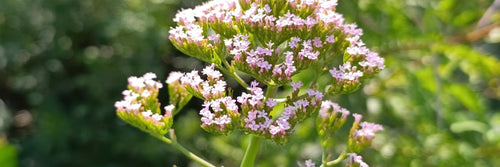


Ginseng is the dried root of several species within the Araliaceae family of herbs and one of the most widely consumed herbal supplements in the world. It has been used for millennia in traditional Chinese medicine as a tonic to promote vitality, strengthen the immune system, and resist physiological and psychological stress [1][2][3]. The term "adaptogen" is frequently applied to ginseng — referring to the concept that it helps the body resist and recover from various stressors — though this classification remains more traditional than rigorously scientific [2].
The two most important species in clinical research are Asian ginseng (Panax ginseng C.A. Meyer), also sold as Panax ginseng, Chinese ginseng, or Korean ginseng, and American ginseng (Panax quinquefolius L.), native to North America with large-scale cultivation in Wisconsin. A third plant, Siberian ginseng (Eleutherococcus senticosus), is only distantly related to true ginseng, does not contain ginsenosides, and should not be confused with Panax species [1]. This article focuses exclusively on Panax ginseng and Panax quinquefolius.
The biological activity of ginseng is primarily attributed to ginsenosides (also known as panaxosides) — over 100 different ginsenosides have been identified, and they serve as marker compounds for ginseng quality [1][3]. Different ginsenosides have different and sometimes opposing effects; for example, certain ginsenosides appear to lower blood sugar while others may raise it [1][4]. This makes total ginsenoside content alone insufficient to predict clinical effects. Most clinical trials remain small (fewer than 200 participants) and short (less than 3 months), and the research is suggestive in several areas but does not yet support strong clinical recommendations for most conditions [2][3].
Table of Contents
- Overview
- Forms and Bioavailability
- Evidence for Benefits
- Recommended Dosing
- Safety and Side Effects
- Drug Interactions
- Dietary Sources
- References
Overview
Asian ginseng (Panax ginseng) is native to the Far East, including Korea, northeastern China, and far-eastern Siberia. It has been used as a calming agent in traditional Chinese medicine and as an adaptogen — herbs thought to help the body resist physiological and psychological stress [2]. When the root is left mostly unprocessed, it is called "white ginseng." When it has been steamed and dried, it is called "red ginseng." Traditional Chinese medicine ascribes different properties to these preparations, but current scientific evidence is insufficient to objectively distinguish their clinical effects [1][2].
American ginseng (Panax quinquefolius L.) is native to North America, with a large amount grown in Wisconsin and sold as Wisconsin ginseng. Interestingly, American ginseng is more widely used in China than in America and is sometimes preferred for its milder effects [1]. It has been studied most extensively for blood sugar control and cancer-related fatigue.
Is Your Energy and Vitality Optimized?
Ginseng is just one piece of the puzzle. Get a personalized health plan that considers your full supplement and lifestyle picture with Health Roadmap.
Get Your Personalized Health PlanSiberian ginseng (Eleutherococcus senticosus), more properly called eleuthero, is only distantly related to true ginseng and does not contain the same active compounds (ginsenosides). Eleuthero is considered weaker in action and less expensive [1]. This article focuses exclusively on Panax ginseng and Panax quinquefolius.
Ginsenosides: The Active Compounds
Plant chemicals called ginsenosides (also known as panaxosides) are hypothesized to play a role in ginseng's biological activity. They serve as marker compounds — their presence, absence, and chemical profiles indicate the type and quality of a ginseng product [1][3]. Over 100 different ginsenosides have been identified.
It is strongly suspected that different ginsenosides have different and sometimes opposing effects, but not enough is known to make definitive statements about which ginsenosides are most important for any specific use [1]. The ginsenoside profile differs between species and processing methods:
- Asian ginseng contains higher concentrations of ginsenosides Rg1 and Rb1
- American ginseng tends to have a higher proportion of ginsenoside Rb1 relative to Rg1
- Red ginseng (steamed) undergoes chemical transformation that creates unique ginsenosides (Rg3, Rk1, Rg5) not present in white ginseng [31]
- Hydrolyzed ginseng extracts contain compound K, a metabolite formed by gut bacteria with potentially enhanced bioavailability
Forms and Bioavailability
Ginseng supplements come in a wide variety of forms, and the differences between them are clinically important. The type of ginseng, the part of the plant used, the processing method, and the ginsenoside content all influence what a product may or may not do.
Types of Ginseng
| Type | Species | Processing | Key Features |
|---|---|---|---|
| White Asian Ginseng | Panax ginseng | Dried, unprocessed root | Traditional preparation. Contains native ginsenosides (Rg1, Rb1, Rc, Rd, Re) [1][2]. |
| Red Asian (Korean) Ginseng | Panax ginseng | Steamed then dried | Steaming creates unique ginsenosides (Rg3, Rk1, Rg5). Most studied form for sexual function, fatigue, and immune modulation [1][2][3]. |
| American Ginseng | Panax quinquefolius | Typically dried root or extract | Higher Rb1-to-Rg1 ratio. Considered milder. Most studied for blood sugar control and cancer-related fatigue [1]. |
| Hydrolyzed Ginseng | Panax ginseng | Enzymatically processed | Contains compound K. Enhanced bioavailability claimed. Limited availability outside Asia [1][7]. |
| Siberian "Ginseng" (Eleuthero) | Eleutherococcus senticosus | Various | NOT a true ginseng. No ginsenosides. Different active compounds (eleutherosides) [1]. |
Product Forms
Ginseng is available as root powder (dried, ground root; typically 1,000-3,000 mg/day), standardized extract (concentrated preparations with defined ginsenoside content; typically 200-400 mg/day), liquid extracts and tinctures, and liquid pouches (used in some Korean red ginseng products) [1].
Ginsenoside Content Standards
For evaluating product quality, the following minimum ginsenoside thresholds apply [1]:
| Form | Asian Ginseng | American Ginseng |
|---|---|---|
| Root powder | ≥1.5% (15 mg/g) | ≥2% (20 mg/g) |
| Extract | ≥3% (30 mg/g) | ≥4% (40 mg/g) |
Products should clearly list on the label: the species of ginseng, the plant part (root), the amount and form (powder or extract), and the ginsenoside content or concentration [1]. Unfortunately, many commercial products do not provide complete ginsenoside information.
Key Bioavailability Considerations
- Ginsenoside absorption is low. Oral bioavailability of individual ginsenosides is generally poor (often less than 5%) due to extensive metabolism by gut bacteria and first-pass hepatic metabolism [3]. Compound K, a metabolite produced by intestinal bacteria, may be the primary bioactive compound reaching systemic circulation.
- Individual variation in gut microbiome may explain why some people respond to ginseng and others do not. Conversion of ginsenosides to compound K depends on specific bacterial populations that vary between individuals [3].
- Red ginseng undergoes chemical transformations during steaming that create ginsenosides with different pharmacological properties compared to white ginseng. Whether this translates to meaningfully different clinical effects remains uncertain [1][2][31].
- Hydrolyzed extracts are designed to bypass gut bacterial metabolism by pre-converting ginsenosides to compound K. One study used a hydrolyzed extract for blood sugar control [7], but these products are not widely available outside Asia.
Evidence for Benefits
Fatigue and Energy
Ginseng is most commonly purchased with the belief that it will improve energy and vitality, particularly during times of fatigue or stress. The evidence provides some support for this use, though the effects are modest.
General fatigue in healthy adults: A study in Japan among 46 healthy adults (average age 50) found that taking two tablets providing 960 mg of Korean red ginseng extract daily for 3 weeks reduced self-reported fatigue by a modest but statistically significant 11.2 points (on a 0-100 scale) compared to placebo. However, there were no significant between-group differences in blood levels of lactate or cortisol — biomarkers of physical and mental fatigue, respectively. No side effects were linked to ginseng use (Lee, J Ginseng Res, 2024) [4].
Systematic review of fatigue: A 2023 review of 19 studies (2,413 participants) found two notable results: Asian ginseng alone may have a small beneficial effect on general fatigue (not related to specific diseases), and certain ginseng herbal formulas containing other ingredients may be beneficial for chronic fatigue syndrome — but ginseng alone was not effective for chronic fatigue. Not all research agrees on ginseng's benefits for fatigue (Li et al., J Integrative Complement Med, 2023) [9].
Cancer-related fatigue: The strongest evidence for ginseng and fatigue comes from cancer survivors. A placebo-controlled study found that people taking 2,000 mg of American ginseng root powder daily for 8 weeks showed a statistically significant improvement in energy of about 10 points on a 100-point self-reported fatigue scale compared to placebo, with no difference in side effects. Fatigue was most improved among those actively being treated for cancer, with significant improvements occurring within just 4 weeks in this subgroup. The researchers noted that good treatments for cancer-related fatigue are not available, and that it would be reasonable for a cancer survivor to try American ginseng for related fatigue. The ginseng studied was from Wisconsin, contained 3% ginsenosides, and was taken as two 500-mg capsules at breakfast and again at noon (Barton, J Natl Cancer Inst, 2013) [5]. This study was preceded by a smaller pilot study which also showed benefit, although the product at that time contained 5% ginsenosides [1].
Preliminary non-human data suggests that American ginseng does not interfere with the activity of many common chemotherapeutic agents (tamoxifen, doxorubicin, cyclophosphamide, paclitaxel, 5-fluorouracil, and methotrexate), though these interactions have not been well studied in humans [1].
Athletic performance: The majority of research shows that Asian ginseng does NOT improve athletic performance [2]. This is an important distinction — ginseng may help with subjective fatigue and energy levels but does not appear to enhance physical performance metrics in controlled studies.
Blood Sugar Control
There is preliminary evidence that ginseng may reduce blood sugar levels in people with diabetes or prediabetes, although results are inconsistent and the direction of the effect may depend on the specific ginsenoside profile of the product used.
American ginseng and type 2 diabetes: A study in Canada among 24 older adults with type 2 diabetes (most of whom were taking antidiabetes medication) found that 1 gram of American ginseng extract (9.67% ginsenosides) taken three times daily (40 minutes before each meal) for two months modestly reduced fasting blood glucose (-0.71 mmol/L), HbA1c (-0.29%), and systolic blood pressure (-5.6 mmHg) compared to placebo. The total daily dose of extract was 3 grams, providing 290 mg of ginsenosides (Vuksan, Eur J Nutr, 2018) [6].
Hydrolyzed Panax ginseng and impaired fasting glucose: A study in adults with impaired fasting glucose found that 480 mg of hydrolyzed Panax ginseng extract (1.7% ginsenosides) taken after breakfast and dinner (total daily dose of about 16 mg ginsenosides and 6 mg compound K) for 8 weeks significantly lowered both fasting and post-prandial glucose levels compared to placebo. There was no significant change in insulin secretion and no adverse effects (Park, J Ginseng Res, 2014) [7]. The hydrolyzed ginseng used in this South Korean study does not appear to be commercially available in the United States.
Red Korean ginseng and type 2 diabetes: A study in China among 101 adults with type 2 diabetes on stable antidiabetes medication found that taking a total of 2.72 grams of red Korean ginseng extract (providing 72 mg of total ginsenosides) daily for three months led to a modest but statistically significant decrease in 2-hour postprandial blood sugar levels (-1.48 vs -0.25 mmol/L) and HbA1c (-0.16% vs an increase of 0.09%) but did NOT decrease fasting blood sugar levels, compared to placebo (Tan, J Ginseng Res, 2025) [8].
Meta-analysis: A 2022 systematic review and meta-analysis of 20 studies (1,295 participants) found that Asian ginseng improved several cardiometabolic factors in people with prediabetes and type 2 diabetes, including fasting blood glucose levels, total cholesterol, and certain inflammatory markers. However, the overall conclusion was that research on ginseng for blood sugar control remains inconclusive and conflicting (Naseri et al., Nutrients, 2022) [11].
Critical caution: Research has shown that some ginseng products may actually RAISE blood sugar levels (Vuksan, Nutr Metabl Cardiovasc Dis, 2005) [26]. Certain ginsenosides lower blood sugar while others raise it, and different products have different ginsenoside profiles. People with diabetes should use ginseng only with caution and under medical supervision [1].
Sexual Function
Erectile dysfunction (men): Two studies enrolling a total of 135 men support the use of Panax ginseng for enhancing sexual function. A three-month double-blind, placebo-controlled trial evaluated Korean red ginseng (1,800 mg/day) against the drug trazodone and placebo in 90 men with erectile dysfunction. Red ginseng performed better than both placebo and trazodone. Ginseng had no significant effect on testosterone levels (Choi, Int J Impot Res, 1995) [12].
A study in Brazil examined the effects of 3,000 mg/day of red Korean ginseng versus placebo in men with mild to moderate erectile dysfunction. Sixty-six percent of men using ginseng reported improvement in their erections, while there was no significant improvement in the placebo group (de Andrade, Asian J Androl, 2007) [13].
The NCCIH notes that some research shows oral Asian ginseng seems to improve sexual function in people with erectile dysfunction, and that it has also been studied in adults with ED associated with an enlarged prostate [2].
Sexual function (women): A double-blind, placebo-controlled crossover study in Korea compared 3,000 mg of red ginseng to placebo in 28 women (average age 51). Ginseng produced a significant improvement in arousal. No severe side effects were reported, although two women experienced vaginal bleeding while taking ginseng (Oh, J Sex Med, 2010) [14].
Another study in Iran among 32 women (average age 37) found that those given one tablet daily providing 67 mg of Korean ginseng, 40 mg of eleuthero, and 100 IU of vitamin E for 6 weeks reported a two-fold greater improvement in "desire" and "satisfaction" compared to placebo. However, overall sexual function, as well as arousal, lubrication, orgasm, and pain were NOT significantly improved (Ghamari, Women Health, 2020) [15]. The combination product makes it difficult to attribute effects to ginseng specifically.
Cognitive Function and Memory
Younger adults (no benefit): A study among 61 healthy university students in England found that those who took 200 mg of American ginseng standardized to 10-12% ginsenosides prior to cognitive testing (conducted at 2, 4, and 6 hours after supplementation) did NOT show improvements in reaction time, correct responses, executive functioning, or memory compared to placebo. Those taking placebo did show lower accuracy during the third testing session, while the ginseng group maintained accuracy — suggesting a possible anti-fatigue effect rather than cognitive enhancement (Bell, Eur J Nutr, 2021) [16].
Middle-aged and older adults (possible benefit): The NCCIH reports that a small amount of research has suggested Asian ginseng may improve cognitive function, including abstract thinking, attention, arithmetic skills, and reaction time, in middle-aged adults but not in young adults. Any benefit on memory has appeared to depend on the addition of ginkgo [2].
Ginseng does not appear to be a cognitive enhancer in younger adults. In middle-aged and older adults, there may be modest benefits to attention and processing speed, but the evidence is preliminary and inconsistent.
Immune Function and Respiratory Infections
Despite some positive results, the role of ginseng in preventing the common cold or flu remains uncertain.
American ginseng extract (Cold-FX): Studies using a proprietary American ginseng extract (Cold-FX) suggested it might help prevent the common cold or flu and reduce their duration and severity (McElhaney, J Altern Complement Med, 2006; Nguyen, Can Fam Physician, 2007) [19][20]. However, this was not a standard ginseng extract — it contained a very high concentration of polysaccharides — and there has been criticism of the study designs (most industry-funded) and how results were reported (Kolber, ACFP's Tools for Practice, 2012) [21].
Asian ginseng and flu vaccination: A study in Italy among 227 people found that taking 100 mg of a proprietary Panax ginseng extract (Ginsana G115) once daily for 4 weeks before and 8 weeks after a flu shot stimulated the immune system and reduced cold and flu cases by approximately 65% compared to placebo (Scaglione, Drugs Exp Clin Res, 1996) [17].
Korean red ginseng and immune cells: A study in Korea among 99 healthy adults (average age 50) found that taking 1 gram of Korean red ginseng twice daily for 8 weeks increased T cells, B cells, and white blood cells compared to placebo. However, there was NO reduction in the actual number of colds that occurred (Hyun, J Ginseng Res, 2020) [18].
The immune evidence is inconsistent. Some studies show enhancement of immune cell markers, but this does not reliably translate to fewer infections. Overall, there is not enough evidence to support using ginseng specifically for respiratory infection prevention [1][2].
ADHD (Attention Deficit-Hyperactivity Disorder)
A concentrated extract of Korean red ginseng showed promise in improving symptoms of ADHD in children ages 6-15 in a single 8-week placebo-controlled study. Children were given 1 gram of extract (consumed as a liquid from a pouch) twice daily. Hyperactivity scores decreased significantly more among those given ginseng (from 3.09 to 1.76) than placebo (3.81 to 3.03). Inattention scores also decreased significantly in the ginseng group (from 6.39 to 4.03), although not significantly more than in the placebo group (5.70 to 4.57). The ginseng group also had a greater decrease in brain wave activity (theta-beta ratio) indicative of ADHD. The study was funded by Korea Ginseng Corporation (Ko, J Child Adolesc Psychopharmacol, 2014) [10].
A pilot study using American ginseng combined with Ginkgo biloba also indicated improvement in ADHD symptoms (Lyon, J Psychiatry Neurosci, 2001) [25]. These are preliminary findings from small, industry-funded studies. Ginseng should not replace established ADHD treatments without medical supervision.
Metabolic Syndrome and Hormonal Effects
A study in Korea among men with metabolic syndrome who took 3 grams of red ginseng (approximately 17% ginsenosides) daily for one month found no significant improvement in most measures — including systolic blood pressure, BMI, fasting blood sugar, insulin, and cholesterol levels — compared to placebo. However, there were small increases in total testosterone (from 396 to 418 ng/mL) and IGF-1 (from 145 to 167 ng/mL), as well as a small decrease (5 mmHg) in diastolic blood pressure (Jung, Complement Ther Med, 2016) [22]. The testosterone increase was modest and within normal variation. Ginseng should not be considered a testosterone booster based on this evidence.
Liver Dysfunction
A study among 51 adults in South Korea with liver dysfunction (modestly elevated ALT levels) found that 2.4 grams of Panax ginseng extract powder (containing about 29 mg of ginsenosides Rg1 and Rb1) taken daily for three months significantly reduced ALT levels compared to placebo (average decrease of 10.15 IU/L vs. an increase of 4.96 IU/L). GGT levels also decreased, though not significantly compared to placebo. One of the study authors works for the company that makes the extract (Shen, Evid Based Complement Alternat Med, 2020) [23]. This is a single small study with a potential conflict of interest.
Cold Hypersensitivity (Raynaud's Phenomenon)
A study among 80 women in Korea with cold hypersensitivity in the hands and feet (which can include Raynaud's phenomenon) found that a total daily dose of 6,000 mg of red Korean ginseng (3.4% ginsenosides) for two months significantly improved skin temperature, reduced discomfort, and improved response to cold exposure compared to placebo (Park, J Ethnopharmacol, 2014) [24]. This single study requires replication; the dose is substantially higher than typical supplementation.
Other Uses
Taking Panax ginseng by mouth does NOT appear to improve hair density or thickness among people with alopecia areata [1]. Other proposed uses with weak or contradictory evidence include enhancing general wellbeing and stimulating the immune system [1]. While ginseng is widely marketed as a general tonic, rigorous evidence for a measurable "wellbeing" benefit in healthy individuals is lacking.
Recommended Dosing
Ginseng dosing varies substantially depending on the form, species, and intended use. The following recommendations are drawn from clinical trial protocols and expert guidance [1][2].
General Dosing Guidelines
| Form | Daily Dose | Ginsenoside Content |
|---|---|---|
| Asian ginseng standardized extract | 200 mg (as 100 mg twice daily) | ≥6 mg ginsenosides [1] |
| Asian ginseng root powder | 1,000-2,000 mg | 15-30 mg ginsenosides [1] |
| American ginseng standardized extract | 200-400 mg | ≥8 mg ginsenosides [1] |
| American ginseng root powder | 1,000-3,000 mg | 20-60 mg ginsenosides [1] |
Dosing by Indication (From Clinical Trials)
Cancer-related fatigue: 2,000 mg American ginseng root powder daily (1,000 mg at breakfast and 1,000 mg at noon), with 3% ginsenosides. Benefits observed within 4-8 weeks (Barton, JNCI, 2013) [5].
Blood sugar control (type 2 diabetes): 3,000 mg American ginseng extract daily (1,000 mg three times daily, 40 minutes before each meal), with 9.67% ginsenosides (Vuksan, Eur J Nutr, 2018) [6]. Alternatively, 2.72 grams of red Korean ginseng extract daily (Tan, J Ginseng Res, 2025) [8].
Erectile dysfunction: 1,800-3,000 mg Korean red ginseng daily (Choi, 1995; de Andrade, 2007) [12][13].
ADHD in children: 1,000 mg concentrated Korean red ginseng extract twice daily (Ko, 2014) [10].
Cold hypersensitivity: 6,000 mg red Korean ginseng daily (Park, 2014) [24].
Respiratory infection prevention: 400 mg American ginseng extract daily for four months during cold season [1]. Or 100 mg Panax ginseng extract (G115) daily starting 4 weeks before and continuing 8 weeks after flu vaccination (Scaglione, 1996) [17].
General fatigue: 960 mg Korean red ginseng extract daily for 3 weeks (Lee, 2024) [4].
Immune enhancement: 2,000 mg Korean red ginseng daily for 8 weeks (Hyun, 2020) [18].
Practical Dosing Notes
- Onset of effects: Benefits may take a few days to several weeks to develop [1].
- Cycling: It is sometimes suggested to stop using ginseng for a week or two after every two to three weeks of use, but there is no scientific or traditional basis for this recommendation [1].
- Timing: For blood sugar effects, taking ginseng up to two hours before a meal may help reduce postprandial glucose levels [1].
- Caffeine in ginseng products: Some ginseng products marketed for energy contain caffeine — either added directly or from herbal ingredients such as green tea, guarana, or cola nut. The amount of caffeine is not always disclosed. Check labels carefully if you are sensitive to caffeine [1].
Safety and Side Effects
General Safety Profile
Short-term oral use (up to 6 months) of ginseng in recommended amounts appears to be safe for most people [2]. Many clinical trials report no significant differences in side effects between ginseng and placebo groups [1][2].
Common Side Effects
The most commonly reported side effect is insomnia (trouble sleeping) [2]. Other reported side effects include headache, gastrointestinal disturbance (nausea, diarrhea), nervousness or agitation, and changes in blood pressure.
Uncommon but Reported Side Effects
- Severe rash [2]
- Liver damage (rare case reports) [2]
- Severe allergic reactions [2]
- Menstrual abnormalities [1]
Case reports have suggested that prolonged use or high doses of ginseng can cause over-stimulation, hypertension, and menstrual abnormalities, but these reports have not been substantiated in clinical trials and may result from adulterated products [1].
Blood Sugar Effects — A Dual Concern
Some ginseng products lower blood sugar while others may raise it. This creates a dual concern for people with diabetes: if ginseng lowers blood sugar, it could cause hypoglycemia; if ginseng raises blood sugar, it could worsen diabetes control [1]. People with diabetes should use ginseng only with caution and under medical supervision, or not at all [1][2].
Cancer and Estrogenic Effects
Contrary to some reports, ginseng does NOT appear to have estrogenic activity. However, it might stimulate breast cancer cells and for this reason should NOT be used by people with breast cancer [1].
Autoimmune Conditions
Asian ginseng may worsen autoimmune disorders [2]. People with autoimmune conditions should consult their healthcare provider before using ginseng.
Pregnancy and Breastfeeding
Research on rat embryos suggests the potential for ginseng to cause birth defects. One of the chemicals in ginseng has been found to cause birth defects in animals [1][2]. The safety of ginseng has not been well evaluated during pregnancy or breastfeeding. Using ginseng during pregnancy or breastfeeding is NOT recommended [1][2]. Some experts also recommend against use in infants and children (outside of supervised clinical research) [2].
Bipolar Disorder
Two case reports suggest that use of ginseng along with antidepressants could contribute to manic episodes in people with underlying bipolar disorder [1]. People with bipolar disorder should exercise caution.
Long-Term Safety
Questions have been raised about the long-term safety of ginseng, and some experts recommend against continuous use beyond 6 months [2]. This uncertainty reflects the lack of long-duration safety studies rather than evidence of specific long-term harm.
Drug Interactions
Warfarin (Coumadin)
Studies conflict on whether ginseng interacts with warfarin. It may be that some ginsenosides affect warfarin while others do not. Since we currently lack the knowledge to distinguish between the effects of various ginsenosides, individuals taking warfarin and related anticoagulant drugs should probably avoid use of ginseng [1][2].
CYP3A4 Enzyme System
There is some evidence that Panax ginseng may either inhibit or activate CYP3A4 — an enzyme in the liver and intestine responsible for metabolizing many medications (Bilgi, Ann Pharmacother, 2010; Malati, J Clin Pharmacol, 2012) [27][28]. Medications metabolized by CYP3A4 include many statins (atorvastatin, simvastatin), calcium channel blockers, immunosuppressants (cyclosporine, tacrolimus), certain anti-cancer drugs, benzodiazepines, and many others. Until more is known, ginseng should be used with caution alongside any medication metabolized by CYP3A4.
Antidepressants
Two case reports suggest that combining ginseng with antidepressants may contribute to manic episodes in people with bipolar disorder [1]. The mechanism is unclear but may relate to ginseng's effects on monoamine neurotransmitter systems.
Antidiabetes Medications
Ginseng may potentiate or counteract the effects of antidiabetes medications depending on the ginsenoside profile. Blood sugar should be monitored closely if ginseng is used alongside insulin or oral hypoglycemic agents [1][2].
Blood Thinning and Clotting
Asian ginseng may interfere with blood clotting [2]. Patients taking antiplatelet or anticoagulant medications should exercise caution.
Siberian Ginseng (Eleuthero) — Specific Statin Interaction
Although eleuthero is not a true ginseng, it warrants mention because many consumers do not distinguish between species. Elevated liver enzymes and liver injury were reported in an 82-year-old man one week after he began taking a supplement containing Siberian ginseng with silymarin (milk thistle) alongside atorvastatin (Lipitor). He had taken the statin for five years without abnormal liver findings. After stopping both the supplement and statin, his symptoms resolved within two months. Siberian ginseng may inhibit OATP-B, a transporter that helps eliminate atorvastatin from the body (Fuchikami, Drug Metab Dispos, 2006) [30], contributing to drug accumulation and liver injury (Laube, Br J Clin Pharmacol, 2019) [29].
General Precaution
If you take any type of medication, consult your healthcare provider before using ginseng or other herbal products. Ginseng contains numerous bioactive compounds, and interactions with medications are not yet fully characterized [2].
Dietary Sources
Unlike minerals and vitamins, ginseng is not a nutrient found in common foods. It is an herbal product derived specifically from the root of Panax species plants.
Traditional Uses
- Ginseng tea — made by steeping sliced or powdered ginseng root in hot water. Widely consumed in Korea, China, and Japan.
- Ginseng-containing foods — some Asian cuisines incorporate ginseng root into soups (e.g., samgyetang, Korean ginseng chicken soup), porridges, and stir-fries.
- Ginseng candy and extracts — commercially available preparations, particularly popular in East Asian markets.
- Energy drinks — some commercial energy drinks contain small amounts of ginseng, though usually at subtherapeutic doses.
Source Quality Considerations
- Wild ginseng is rare and expensive; most commercial ginseng is cultivated [1][2].
- American ginseng is extensively cultivated in Wisconsin, Ontario (Canada), and several other US states and Canadian provinces [1].
- Asian ginseng is primarily cultivated in Korea and northeastern China [2].
- Growing conditions, soil quality, age of the root at harvest (typically 4-6 years), and processing methods all affect ginsenoside content [3].
- Due to high demand, ginseng products are sometimes adulterated with other plant materials or contain lower ginsenoside levels than labeled [1].
Is Dietary Ginseng Sufficient?
For individuals using ginseng for health purposes, food preparations (tea, soup) provide much lower and less standardized ginsenoside doses compared to supplements. Most clinical trials have used standardized extracts or root powders with known ginsenoside content. For targeted health applications, standardized supplements are more reliable than dietary preparations [1].
Is Your Energy and Vitality Optimized?
Ginseng is just one piece of the puzzle. Get a personalized health plan that considers your full supplement and lifestyle picture with Health Roadmap.
Get Your Personalized Health PlanReferences
1. ConsumerLab. "Ginseng Supplements Review." Accessed 2026. https://www.consumerlab.com/reviews/ginseng-supplements/ginseng/
2. National Center for Complementary and Integrative Health (NCCIH). "Asian Ginseng." Updated February 2025. https://www.nccih.nih.gov/health/asian-ginseng
3. Fan S, Zhang Z, Su H, et al. "Panax ginseng clinical trials: current status and future perspectives." Biomedicine & Pharmacotherapy. 2020;132:110832. https://doi.org/10.1016/j.biopha.2020.110832
4. Lee J, et al. "Effect of Korean red ginseng on fatigue in healthy adults." J Ginseng Res. 2024.
5. Barton DL, Liu H, Dakhil SR, et al. "Wisconsin ginseng (Panax quinquefolius) to improve cancer-related fatigue: a randomized, double-blind trial, N07C2." J Natl Cancer Inst. 2013;105(16):1230-1238. https://doi.org/10.1093/jnci/djt181
6. Vuksan V, Xu ZZ, Goeree R, et al. "Efficacy of American ginseng extract on glycemic control in type 2 diabetes." Eur J Nutr. 2018;58(3):1237-1245. https://doi.org/10.1007/s00394-018-1640-2
7. Park SH, et al. "Effects of hydrolyzed ginseng extract on impaired fasting glucose." J Ginseng Res. 2014;38(2):106-111. https://doi.org/10.1016/j.jgr.2013.12.004
8. Tan L, et al. "Effects of red Korean ginseng on type 2 diabetes." J Ginseng Res. 2025.
9. Li X, Yang M, Zhang YL, et al. "Ginseng and ginseng herbal formulas for symptomatic management of fatigue: a systematic review and meta-analysis." J Integrative Complement Med. 2023;29(8):468-482. https://doi.org/10.1089/jicm.2022.0194
10. Ko HJ, Kim I, Kim JB, et al. "Effects of Korean red ginseng extract on behavior in children with symptoms of inattention, hyperactivity, and impulsivity." J Child Adolesc Psychopharmacol. 2014;24(9):501-508. https://doi.org/10.1089/cap.2014.0013
11. Naseri K, Saadati S, Sadeghi A, et al. "The efficacy of ginseng (Panax) on human prediabetes and type 2 diabetes mellitus: a systematic review and meta-analysis." Nutrients. 2022;14(12):2401. https://doi.org/10.3390/nu14122401
12. Choi HK, Seong DH, Rha KH. "Clinical efficacy of Korean red ginseng for erectile dysfunction." Int J Impot Res. 1995;7(3):181-186. https://pubmed.ncbi.nlm.nih.gov/8750052/
13. de Andrade E, de Mesquita AA, Claro JA, et al. "Study of the efficacy of Korean Red Ginseng in the treatment of erectile dysfunction." Asian J Androl. 2007;9(2):241-244. https://doi.org/10.1111/j.1745-7262.2007.00210.x
14. Oh KJ, Chae MJ, Lee HS, et al. "Effects of Korean red ginseng on sexual arousal in menopausal women." J Sex Med. 2010;7(4 Pt 1):1469-1477. https://doi.org/10.1111/j.1743-6109.2009.01700.x
15. Ghamari S, et al. "Investigating the effect of a herbal supplement containing Korean ginseng, eleuthero, and vitamin E on sexual function in women." Women Health. 2020;60(8):940-953. https://doi.org/10.1080/03630242.2020.1775211
16. Bell L, Whyte A, Duysburgh C, et al. "A randomized, placebo-controlled trial investigating the acute and chronic benefits of American Ginseng (Cereboost) on mood and cognition in healthy young adults." Eur J Nutr. 2021;61(1):413-428. https://doi.org/10.1007/s00394-021-02656-5
17. Scaglione F, Cattaneo G, Alessandria M, Cogo R. "Efficacy and safety of the standardised Ginseng extract G115 for potentiating vaccination against the influenza syndrome." Drugs Exp Clin Res. 1996;22(2):65-72. https://pubmed.ncbi.nlm.nih.gov/8879982/
18. Hyun SH, Ahn HY, Kim HJ, et al. "Immuno-enhancement effects of Korean Red Ginseng in healthy adults." J Ginseng Res. 2020;45(1):191-198. https://doi.org/10.1016/j.jgr.2020.08.003
19. McElhaney JE, Goel V, Toane B, et al. "Efficacy of COLD-FX in the prevention of respiratory symptoms in community-dwelling adults." J Altern Complement Med. 2006;12(2):153-157. https://doi.org/10.1089/acm.2006.12.153
20. Nguyen BN, et al. "Does the extract of North American ginseng (COLD-FX) prevent upper respiratory tract infections?" Can Fam Physician. 2007;53(3):481-482. https://pubmed.ncbi.nlm.nih.gov/17872685/
21. Kolber MR. "Does ginseng prevent colds?" ACFP's Tools for Practice. 2012.
22. Jung JH, et al. "Effect of Korean red ginseng on metabolic syndrome." Complement Ther Med. 2016;29:36-45. https://doi.org/10.1016/j.ctim.2016.09.002
23. Shen CY, Jiang JG, Zhu W, et al. "Hepatoprotective and neuroprotective effects of Panax ginseng extract." Evid Based Complement Alternat Med. 2020;2020:2959038. https://doi.org/10.1155/2020/2959038
24. Park KS, et al. "Effect of Korean red ginseng on cold hypersensitivity in the hands and feet." J Ethnopharmacol. 2014;158 Pt A:25-32. https://doi.org/10.1016/j.jep.2014.09.028
25. Lyon MR, Cline JC, Totosy de Zepetnek J, et al. "Effect of the herbal extract combination Panax quinquefolium and Ginkgo biloba on ADHD: a pilot study." J Psychiatry Neurosci. 2001;26(3):221-228. https://pubmed.ncbi.nlm.nih.gov/11394191/
26. Vuksan V, et al. "Opposing effects of selected ginsenosides on post-prandial glycemia." Nutr Metab Cardiovasc Dis. 2005;15(1):28-31.
27. Bilgi N, Bell K, Ananthakrishnan AN, Atallah E. "Imatinib and Panax ginseng: a potential interaction resulting in liver toxicity." Ann Pharmacother. 2010;44(5):926-928. https://doi.org/10.1345/aph.1M715
28. Malati CY, Robertson SM, Hunt JD, et al. "Influence of Panax ginseng on CYP3A and P-glycoprotein activity in healthy participants." J Clin Pharmacol. 2012;52(6):932-939. https://doi.org/10.1177/0091270011407194
29. Laube R, et al. "Liver injury due to herb-drug interaction: Siberian ginseng, milk thistle, and atorvastatin." Br J Clin Pharmacol. 2019;85(7):1624-1627. https://doi.org/10.1111/bcp.13902
30. Fuchikami H, Satoh H, Tsujimoto M, et al. "Effects of herbal extracts on OATP-B function." Drug Metab Dispos. 2006;34(4):577-582. https://doi.org/10.1124/dmd.105.007872
31. He M, Huang X, Shuying L, et al. "The difference between white and red ginseng: variations in ginsenosides and immunomodulation." Planta Medica. 2018;84(12-13):845-854. https://doi.org/10.1055/a-0641-6240
32. Shin D, Yoon BI, Bang S, et al. "Safety and efficacy assessment of red ginseng oil in men with lower urinary tract symptoms." World J Mens Health. 2024;42(1):229-236. https://doi.org/10.5534/wjmh.230086
33. Panax ginseng. NatMed Pro website. Accessed February 21, 2024. [Database subscription].