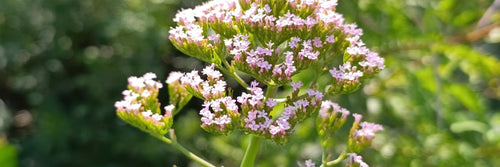


Elderberry refers to the small, dark purple fruit of the European elder tree (Sambucus nigra), a fast-growing deciduous shrub or small tree in the Adoxaceae family that can reach heights of 8 to 30 feet [1][2]. Native to Europe, western Asia, North Africa, and parts of North America where it has naturalized, elderberry has been cultivated for centuries for its flowers and fruits [2][3]. The American elderberry (S. canadensis) is a closely related native North American species, while S. cerulea (blue elderberry) is found in western North America [2]. The term "elderberry" in most clinical and supplement contexts refers specifically to Sambucus nigra.
Elderberry is a rich source of phenolic compounds, particularly anthocyanins — the pigments responsible for its dark purple color. Laboratory analyses indicate that these compounds have antioxidant, anticarcinogenic, immune-stimulating, antibacterial, antiallergic, and antiviral properties [4]. The predominant anthocyanins are cyanidin-3-O-sambubioside (269–656 mg/100 g fresh weight) and cyanidin-3-O-glucoside (214–252 mg/100 g), with total anthocyanin content typically ranging from 560 to 1,347 mg per 100 g fresh weight [5][6]. These anthocyanins are naturally attached to sugar molecules; in this combined form, they are known as anthocyanosides. The berries also contain significant amounts of flavonoids such as quercetin and its glycosides (quercetin-3-rutinoside/rutin), phenolic acids including chlorogenic acid and protocatechuic acid, and a hemagglutinin protein known as Sambucus nigra agglutinin-III (SNA-III) [4][7][8].
Elderberry has a long history in traditional medicine. In European folk medicine, dating back to Hippocratic times around the 5th century BCE, it was used to treat colds, fevers, and as a diuretic [9]. Native American tribes employed the berries, flowers, and bark of the American elder to address infections, rheumatism, joint pain, and respiratory ailments [10][11]. In Traditional Chinese Medicine, elderberry (known as Jie Gu Mu) is used to address wind-heat patterns — symptoms like fever, sore throat, and muscle aches associated with colds and flu [12]. Today, elderberry is one of the most widely sold dietary supplements for immune support, with commercial interest surging after 2018 and further accelerating during the COVID-19 pandemic [13].
Despite this popularity, the clinical evidence for elderberry is limited in scale and mixed in results. Most research has focused on its effects on the immune system and antiviral activity, with several small, company-funded clinical studies suggesting it may reduce the duration and severity of cold and flu symptoms. However, a more recent study that was not company-funded did not show a benefit [14][15]. No studies have demonstrated that elderberry can prevent colds or flu, and a study evaluating potential cardiovascular effects found no benefit [16].
Important safety note: Raw, uncooked, or unripe elderberries should never be consumed because they contain cyanogenic glycosides (such as sambunigrin) that can release hydrogen cyanide in the body, causing nausea, vomiting, diarrhea, weakness, and dizziness [4][17][18]. Elder bark, roots, and leaves also contain these toxic compounds [19]. Properly processed elderberry preparations (powders, concentrates, extracts, and syrups) are expected to have had these compounds removed or neutralized through heat treatment [4][17].
Table of Contents
- Overview
- Forms and Bioavailability
- Evidence for Benefits
- Recommended Dosing
- Safety and Side Effects
- Drug Interactions
- Dietary Sources
- References
Overview
Elderberry refers to the small, dark purple fruit of the European elder tree (Sambucus nigra), a fast-growing deciduous shrub or small tree in the Adoxaceae family that can reach heights of 8 to 30 feet [1][2]. Native to Europe, western Asia, North Africa, and parts of North America where it has naturalized, elderberry has been cultivated for centuries for its flowers and fruits [2][3]. The American elderberry (S. canadensis) is a closely related native North American species, while S. cerulea (blue elderberry) is found in western North America [2].
Elderberry is a rich source of phenolic compounds, particularly anthocyanins — the pigments responsible for its dark purple color. Laboratory analyses indicate that these compounds have antioxidant, anticarcinogenic, immune-stimulating, antibacterial, antiallergic, and antiviral properties [4]. The predominant anthocyanins are cyanidin-3-O-sambubioside (269–656 mg/100 g fresh weight) and cyanidin-3-O-glucoside (214–252 mg/100 g), with total anthocyanin content typically ranging from 560 to 1,347 mg per 100 g fresh weight [5][6]. These anthocyanins are naturally attached to sugar molecules; in this combined form, they are known as anthocyanosides. The berries also contain significant amounts of flavonoids such as quercetin and its glycosides (quercetin-3-rutinoside/rutin), phenolic acids including chlorogenic acid and protocatechuic acid, and a hemagglutinin protein known as Sambucus nigra agglutinin-III (SNA-III) [4][7][8].
Elderberry has a long history in traditional medicine. In European folk medicine, dating back to Hippocratic times around the 5th century BCE, it was used to treat colds, fevers, and as a diuretic [9]. Native American tribes employed the berries, flowers, and bark of the American elder to address infections, rheumatism, joint pain, and respiratory ailments [10][11]. In Traditional Chinese Medicine, elderberry (known as Jie Gu Mu) is used to address wind-heat patterns — symptoms like fever, sore throat, and muscle aches associated with colds and flu [12].
Is Your Immune System Getting the Support It Needs?
Elderberry is one option for respiratory health. Get a personalized supplement and screening plan tailored to your specific needs.
Get Your Personalized Health PlanDespite this popularity, the clinical evidence for elderberry is limited in scale and mixed in results. Most research has focused on its effects on the immune system and antiviral activity, with several small, company-funded clinical studies suggesting it may reduce the duration and severity of cold and flu symptoms. However, a more recent study that was not company-funded did not show a benefit [14][15]. No studies have demonstrated that elderberry can prevent colds or flu, and a study evaluating potential cardiovascular effects found no benefit [16].
Important safety note: Raw, uncooked, or unripe elderberries should never be consumed because they contain cyanogenic glycosides (such as sambunigrin) that can release hydrogen cyanide in the body, causing nausea, vomiting, diarrhea, weakness, and dizziness [4][17][18]. Elder bark, roots, and leaves also contain these toxic compounds [19]. Properly processed elderberry preparations (powders, concentrates, extracts, and syrups) are expected to have had these compounds removed or neutralized through heat treatment [4][17].
Forms and Bioavailability
Common Supplement Forms
| Form | Description | Typical Standardization | Notes |
|---|---|---|---|
| Liquid syrup | Concentrated elderberry juice, often with added sweeteners (glucose, honey, glycerin) | Varies; often described as "fruit juice equivalent" | Most clinically studied form (Sambucol). Rich Concord-grape-like taste [14][20]. |
| Extract capsules | Dried elderberry extract in capsule form | Standardized to polyphenols (22%) and/or anthocyanins (15%) | Used in the travel cold study (300 mg capsules) [21]. |
| Lozenges | Elderberry extract compressed into lozenges | 175 mg elderberry extract per lozenge | Used in the Chinese flu study [22]. |
| Gummies | Chewable elderberry preparations | Varies widely | Popular consumer format; limited clinical data. |
| Effervescent tablets | Dissolvable tablets, often with added vitamin C and zinc | May provide substantially less anthocyanosides than syrup forms | Added nutrients (e.g., zinc 7.5 mg, vitamin C 60 mg) may not reach clinically effective doses for their own indications [20]. |
| Powder | Dried and powdered elderberry | Standardized to anthocyanin content | Can be added to foods and beverages. |
Key Bioactive Compounds
The primary bioactive compounds in elderberry, and their approximate concentrations in fresh fruit, include [5][6][7][8]:
- Anthocyanins (total): 560–1,347 mg/100 g fresh weight — the dominant bioactive class, primarily cyanidin-3-O-sambubioside and cyanidin-3-O-glucoside
- Quercetin and quercetin glycosides (rutin): Significant but variable concentrations; quercetin-3-rutinoside is a prominent flavonoid
- Chlorogenic acid: A major phenolic acid contributing to antioxidant capacity
- Vitamin C: 36 mg/100 g fresh weight (40% DV)
- Vitamin B6: 0.23 mg/100 g (approximately 14% DV)
- Iron: 1.6 mg/100 g (9% DV)
- Dietary fiber: 7 g/100 g (25% DV)
Compared to other berries, elderberries demonstrate higher antioxidant capacity than blueberries, attributed primarily to their anthocyanin content [23].
Sambucol: The Most-Studied Formulation
Much of the clinical research on elderberry has used Sambucol (Razei Bar Ltd), a proprietary formulation. The original Sambucol formula used in most studies is described as containing 38% standardized elderberry extract plus small amounts of raspberry extract, glucose, citric acid, and honey [14][24]. However, current Sambucol products on the market may differ substantially from the formulation used in clinical trials. Some formulations no longer contain raspberry extract or honey, while others include additional ingredients such as vitamin C and zinc [20].
This matters for consumers because the specific formulation tested in positive clinical trials may not match the product currently available under the same brand name. Additionally, different delivery forms (syrup vs. effervescent tablets) within the same brand may provide very different amounts of active compounds [20].
Standardization Challenges
Elderberry supplement standardization varies considerably across products. Some are standardized to total polyphenols, others to anthocyanins (often reported as cyanidin-3-glucoside equivalents), and some simply list elderberry fruit juice equivalent weight. This inconsistency makes direct comparison between products difficult. The chemical composition also varies by cultivar and ripeness: darker cultivars generally exhibit higher anthocyanin levels, while maturation increases anthocyanin and simple sugar content but decreases total acidity and other flavonoids [5][25][26].
Bioavailability Considerations
Anthocyanins from elderberry, like other dietary anthocyanins, have relatively low oral bioavailability. They are absorbed in the stomach and small intestine, with peak plasma concentrations occurring within 1–2 hours after ingestion. The majority of ingested anthocyanins reach the colon, where they are metabolized by gut microbiota into smaller phenolic acid metabolites that may contribute to the observed health effects [5][6]. This means that the gut microbiome may play an important role in determining individual response to elderberry supplementation.
How to Take
Elderberry extracts can be taken with or without food. Liquid extracts can be added to foods and beverages such as yogurt or juice if preferred [20]. Most elderberry products have a rich, Concord-grape-like taste, and most liquids and chewables include a sweetener such as glucose or glycerin [20]. Extracts should be stored in a cool, dry place [20].
Evidence for Benefits
Influenza (Flu) Treatment
The majority of elderberry clinical research has focused on reducing the duration and severity of influenza symptoms. The evidence is mixed, with three company-funded trials showing benefit and one independent trial showing no benefit.
Positive trial 1 — Israel (n=27): A placebo-controlled clinical trial among 27 children and adults with flu (various strains of influenza A and B) found that Sambucol (2 tablespoons per day for children, 4 tablespoons daily for adults) taken for three days reduced the average length of illness compared to placebo (2.7 days vs. 4 days, respectively). The Sambucol formula used contained elderberry juice, raspberry extract, glucose, citric acid, and honey (Zakay-Rones, J Altern Complement Med, 1995) [14]. This was a company-funded study.
Positive trial 2 — Norway (n=60): A study among 60 men and women (ages 18 to 55) with laboratory-confirmed flu infection found that Sambucol (3 teaspoons four times daily with meals) started approximately one day after symptom onset and continued for five days led to significant symptom improvement (aches and pains, cough, congestion) four days sooner than placebo (3 days vs. 7 days). However, both groups fully recovered from the flu within the same total time (8 days) (Zakay-Rones, J Int Med Res, 2004) [24]. This was also a company-funded study.
Positive trial 3 — China (n=64): A study among 64 men and women (average age 40) found that an elderberry lozenge containing 175 mg of elderberry extract (ViraBLOC), taken within 24 hours of developing flu symptoms (four times daily for two days), significantly reduced fever, headache, muscle aches, nasal congestion, and cough compared to placebo. After two days, flu symptoms were completely resolved in 28% of those who took elderberry, while none of those taking placebo was symptom-free. The study was funded by the maker of the lozenge (HerbalScience Singapore Pte. Ltd) (Kong, Online J Pharmacol Pharmacokinet, 2009) [22].
Negative trial — United States (n=87): The largest and most methodologically rigorous study, conducted among 87 adults (average age 36) and children age 5 and older (average age 8) with laboratory-confirmed flu infection, found that Sambucol taken daily for five days (within 48 hours of symptom onset) did not improve symptoms or reduce the number of days ill compared to placebo. Notably, among participants who did not take Tamiflu (oseltamivir), symptoms lasted an average of two days longer with Sambucol compared to placebo. The dosage for adults was 3 teaspoons four times daily; for children, 3 teaspoons twice daily. Each 3-teaspoon serving contained the fruit juice equivalent of 5.7 grams of black elderberry. Unlike the positive studies, this formulation did not contain raspberry extract or honey, though the researchers noted that "the absence of a 'small amount' of honey seems unlikely to have affected results." The makers of Sambucol provided the product but did not fund the study (Macknin, J Gen Intern Med, 2020) [15].
Meta-analysis evidence: A meta-analysis of randomized, controlled clinical trials concluded that black elderberry supplementation effectively treats upper respiratory symptoms, with the pooled data suggesting reduced duration and severity (Hawkins et al., Complement Ther Med, 2019) [27]. However, this meta-analysis was limited by the small number of included trials and their heterogeneity. A 2021 systematic review concluded that elderberry may safely treat viral respiratory symptoms without overstimulation of the immune system, though evidence remains uncertain due to small study sizes [28].
Synthesis: The positive flu studies are all small (27–64 participants) and company-funded, while the largest independent trial (n=87) found no benefit. The evidence for elderberry treating flu symptoms is therefore weak and inconsistent. Even in positive studies, elderberry shortened symptom duration but did not change total recovery time.
Common Cold Treatment and Prevention
Travel cold study — Australia (n=312): The largest elderberry clinical trial examined whether elderberry extract could prevent colds or reduce cold symptoms during air travel. In this placebo-controlled study, 312 men and women took two capsules of elderberry extract daily for 2 to 10 days before overseas air travel, increasing to 3 capsules one day before travel and 4 capsules for five days after arriving at their destination. Each capsule contained 300 mg of elderberry extract standardized to 22% polyphenols (quercetin and its glycosides, rutin) and 15% anthocyanins (cyanidin and pelargonidin glycosides).
Results: Elderberry supplementation did not reduce the incidence of colds while traveling. However, among those who developed a cold, the extract reduced the duration of colds by approximately two days and reduced the severity of cold symptoms. The extract was manufactured by Iprona AG (Italy), which funded the study (Tiralongo, Nutrients, 2016) [21].
Synthesis: There is no evidence that elderberry prevents colds. There is limited, company-funded evidence suggesting it may modestly reduce cold duration and severity in those who develop symptoms, but the effect is not dramatic.
Immune System Modulation
In vitro evidence: In laboratory studies, Sambucol has been shown to increase the production of inflammatory cytokines (TNF-alpha, IL-1 beta, IL-6, IL-8 — proteins released by the body to help fight infection) in human blood in a dose-dependent manner (Barak, Eur Cytokine Netw, 2001) [29]. Elderberry extract and certain elderberry flavonoids have also been shown to inhibit the replication and hemagglutination of human flu viruses, including certain strains of Influenza A and B, and H1N1 (Zakay-Rones, J Altern Complement Med, 1995; Roschek, Phytochemistry, 2009) [14][30].
Anti-inflammatory effects: Some animal studies and small human studies suggest that elderberry can modestly decrease levels of pro-inflammatory cytokines, which could potentially be helpful in treating rheumatoid arthritis and atherosclerosis (Kirichenko, Phytomedicine, 2016) [31]. This finding is seemingly contradictory to the pro-inflammatory cytokine induction described above, suggesting that elderberry's immune effects may be context-dependent — potentially stimulatory in the setting of acute infection and modulatory in chronic inflammatory states.
Clinical relevance: The immune-stimulating properties observed in laboratory studies have not been directly translated into proven clinical benefits beyond the small flu and cold studies described above. The observation that elderberry increases cytokine production has also raised theoretical safety concerns (see COVID-19 section below).
COVID-19 (SARS-CoV-2)
Some websites promoted the use of elderberry extract to help fight SARS-CoV-2 infection during the pandemic. This proposed use was extrapolated from studies suggesting possible benefit with colds and flu (which are also caused by viruses, mostly influenza), but there is no direct evidence that elderberry extract can prevent coronavirus infection or treat COVID-19 [14][32].
There is also a theoretical concern that taking elderberry could increase the risk of the "cytokine storm" that occurs when the body overreacts to coronavirus in severe COVID-19 and damages the lungs (Mehta, Lancet, 2020) [33]. This concern was prompted by the finding that Sambucol increased pro-inflammatory cytokines in a dose-dependent manner in healthy volunteers [29]. However, it is unknown whether elderberry extract would actually cause a cytokine storm in COVID-19 [14].
The U.S. FDA and Federal Trade Commission took action against companies that marketed elderberry products with unsubstantiated claims of effectiveness for COVID-19 [32].
Cardiovascular and Metabolic Effects
Cardiovascular — negative trial: A study among 52 healthy postmenopausal women (average age 58) in England found that taking 500 mg of elderberry extract daily for three months did not decrease blood pressure, total cholesterol, LDL cholesterol, or triglyceride levels, nor reduce markers of inflammation in the blood (such as CRP) compared to placebo. The extract was taken as two capsules in the morning and two at night, providing a total daily dose of 500 mg of elderberry anthocyanin (as cyanidin-3-glucoside). Supplementation also did not affect fasting blood sugar levels or measures of kidney function (urea, creatinine) or liver function (bilirubin, ALP, ALT, GGT enzyme levels) (Curtis, J Nutr, 2009) [16].
Metabolic — emerging evidence: A 2025 randomized controlled trial found that consuming 355 grams (approximately 12 fl. oz) of elderberry juice twice daily for 7 days in overweight and obese adults led to a 24% reduction in post-meal blood glucose levels, a 9% decrease in insulin, enhanced fat oxidation, and positive shifts in gut microbiota (e.g., increased Firmicutes and Bifidobacterium). These findings suggest potential roles in glucose regulation, weight management, and metabolic health, though confirmation in larger trials is needed [34].
Thyroid effects: The same study among overweight and obese adults showed that consuming elderberry juice twice daily for 7 days caused an 11% increase in total thyroxine (T4) and 21% increase in thyroid stimulating hormone (TSH) in the blood after a meal compared to placebo. This effect was attributed to increased metabolic rate induced by elderberry anthocyanins. Blood levels of T4 remained within the normal range, and the clinical significance is unclear, but regular use of elderberry should be used with caution in people taking thyroid hormones or those with hyperthyroidism (Jarrett, Nutrients, 2025) [35].
Antioxidant Activity
Laboratory studies consistently demonstrate that elderberry has substantial antioxidant capacity, largely attributed to its high anthocyanin content [4][5]. Elderberry has demonstrated higher antioxidant capacity than blueberries in comparative analyses [23]. However, in vitro antioxidant activity does not reliably predict clinical benefit in humans. The cardiovascular trial in postmenopausal women (Curtis, 2009) showed no reduction in inflammatory markers despite the high anthocyanin dose, suggesting that the antioxidant effects observed in the laboratory may not translate to meaningful clinical outcomes at typical supplemental doses [16].
Antiviral Activity (Laboratory Studies)
Beyond the clinical trials described above, multiple laboratory studies have demonstrated that elderberry compounds can inhibit viral replication:
- Elderberry flavonoids bind to and inhibit the hemagglutination activity of H1N1 influenza virus (Roschek, Phytochemistry, 2009) [30]
- Elderberry extract inhibits replication of certain strains of Influenza A and B in cell culture (Zakay-Rones, J Altern Complement Med, 1995) [14]
These findings provide mechanistic plausibility for potential antiviral effects but have not been consistently demonstrated in human clinical trials.
Recommended Dosing
No official Recommended Dietary Allowance (RDA) or Tolerable Upper Intake Level (UL) has been established for elderberry, as it is classified as a dietary supplement and food, not an essential nutrient.
Dosing from Clinical Trials
| Indication | Dose | Duration | Form | Evidence Quality |
|---|---|---|---|---|
| Flu symptom relief (adults) | 3 teaspoons (15 mL) Sambucol syrup, 4 times daily with food | 5 days | Liquid syrup | Low (small, company-funded trials) [14][24] |
| Flu symptom relief (children) | 2 tablespoons (30 mL) Sambucol syrup per day OR 3 teaspoons twice daily | 3–5 days | Liquid syrup | Very low (single small trial) [14][15] |
| Flu symptom relief (lozenges) | 175 mg elderberry extract, 4 times daily | 2 days (started within 24 hours of symptoms) | Lozenge | Low (single company-funded trial) [22] |
| Cold symptom relief (travel) | 600 mg/day (2 capsules x 300 mg) increasing to 900 mg/day during/after travel | 8 days before flight + 4–5 days after arrival | Capsules (22% polyphenols, 15% anthocyanins) | Low (single company-funded trial) [21] |
| Cardiovascular support | 500 mg elderberry anthocyanin daily | 12 weeks | Capsules | No benefit demonstrated [16] |
Practical Dosing Guidance
For cold and flu symptom relief (most common use): Based on the available trials, elderberry is typically taken at the first sign of symptoms and continued for 2–5 days. The most commonly studied dosage for adults is approximately 15 mL (3 teaspoons) of Sambucol syrup taken 4 times daily with meals. For capsule forms, 300–900 mg of elderberry extract daily has been used [14][21][24].
Important caveats:
- Start within 24–48 hours of symptom onset — this is when all positive studies initiated treatment
- The largest independent trial found no benefit, so efficacy is not established
- Elderberry has not been shown to prevent colds or flu; it is used only to potentially reduce symptom duration and severity in those already ill
- Do not use elderberry as a substitute for influenza vaccination or antiviral medications such as oseltamivir (Tamiflu)
Children
Clinical evidence in children is extremely limited. One trial used 2 tablespoons daily for children [14], while another used 3 teaspoons twice daily for children age 5 and older [15]. The negative trial (Macknin, 2020) included children, and no benefit was observed. Homemade elderberry preparations carry a risk of cyanide poisoning if not properly processed, and should be avoided for children [36]. Commercial products specifically formulated for children (with age-appropriate dosing) are available.
Safety and Side Effects
General Tolerability
In clinical trials, properly processed elderberry powders and extracts have generally been well-tolerated, without significant adverse effects [14][20][24]. The most common side effects reported are mild gastrointestinal symptoms. Formulations that include vitamin C and/or zinc may cause heartburn or stomach upset in some people [20].
Raw and Unprocessed Elderberry: Cyanide Risk
This is the most serious safety concern associated with elderberry. Raw, uncooked, or unripe elderberries contain cyanogenic glycosides (primarily sambunigrin) that can be hydrolyzed to release hydrogen cyanide (HCN) upon ingestion [4][17][18][37].
Symptoms of raw elderberry poisoning: Nausea, vomiting, diarrhea, abdominal cramps, weakness, dizziness, and numbness [17][37].
Case example: In 1983, 11 individuals in Monterey County, California, became ill after consuming raw juice pressed from fresh Sambucus mexicana berries. Eight experienced severe symptoms including nausea, vomiting, abdominal cramps, and weakness, with one requiring hospitalization [37].
Toxic plant parts: Elder bark, roots, and leaves also contain toxic compounds and should never be consumed [19]. Only the berries are used in properly manufactured supplements, and they must be processed (cooked/heated) to destroy cyanogenic glycosides [4].
Processing effectiveness: Heat-based processing reduces cyanogenic glycoside levels by approximately 44% in juice and up to 80% in tea preparations [37]. Boiling or simmering for 5–10 minutes is sufficient for safety [17].
Acute Pancreatitis (Case Report)
A case of acute pancreatitis was reported in 2019 in a 51-year-old man after he took two to three doses of elderberry extract (Sambucol). He reported having similar symptoms (abdominal pain, nausea, vomiting) years prior after taking one dose of the same extract, suggesting a possible hypersensitivity reaction. His condition improved after treatment with steroids (Weissman, Dig Dis Sci, 2019) [38]. While this is an isolated case report, it suggests that rare idiosyncratic reactions are possible.
Allergic Reactions
Elderberry can potentially cause allergic reactions including runny nose, sneezing, stuffiness, or shortness of breath in people who are allergic to grass pollen (Forster-Waldl, Clin Exp Allergy, 2003) [39]. Skin rashes and other hypersensitivity responses are also possible, though rare [40].
Thyroid Effects
Consuming large amounts of elderberry juice (355 grams twice daily for 7 days) caused an 11% increase in total thyroxine (T4) and 21% increase in TSH in overweight and obese adults. Although T4 levels remained within the normal range, regular elderberry use should be approached with caution in people taking thyroid hormones (levothyroxine) or those with hyperthyroidism (Jarrett, Nutrients, 2025) [35].
Autoimmune Disease Concerns
Due to its immune-stimulating properties, elderberry should generally be avoided in individuals with autoimmune diseases, as it may stimulate immune activity and potentially worsen these conditions [40][41]. There is also evidence suggesting a plausible association between elderberry use and the initiation or progression of autoimmune liver disease in genetically susceptible individuals [42].
Pregnancy and Breastfeeding
Due to a lack of research, elderberry extracts and supplements should not be taken by women who are pregnant or breastfeeding (Porter, Phytother Res, 2017) [43]. There is insufficient reliable information on safety during these periods [32][40].
Children
Elderberry use in children requires caution, particularly in those who are immunocompromised or have autoimmune diseases. Homemade preparations carry a risk of cyanide poisoning if not properly processed. Commercial products with age-appropriate dosing may be safer, but clinical evidence in pediatric populations is very limited [36][44].
Cytokine Storm Concern (Theoretical)
The finding that elderberry increases pro-inflammatory cytokines in a dose-dependent manner in healthy volunteers [29] has raised theoretical concerns about elderberry use during severe viral infections where cytokine storm is a risk (e.g., severe COVID-19). It is unknown whether this effect would be clinically significant, and no cases of elderberry-induced cytokine storm have been reported [14][33]. Some researchers have argued that the anti-inflammatory properties observed in other contexts [31] may actually be protective. The question remains unresolved.
Drug Interactions
CYP450 Enzyme Inhibition
Elderberry extract has been shown in laboratory studies to inhibit several liver cytochrome P450 enzymes that metabolize drugs. This is the primary mechanism for potential drug interactions [29][45][46].
CYP3A4 inhibition (weak): Elderberry has been shown to weakly inhibit CYP3A4 in laboratory studies. While the clinical significance at normal supplemental doses is unclear, taking large doses of highly concentrated elderberry extract might increase the effects and/or side effects of CYP3A4-metabolized drugs [29][45][46].
A 66-year-old woman experienced side effects while taking an elderberry supplement concurrently with pazopanib (Votrient), a tyrosine kinase inhibitor metabolized by CYP3A4. This appears to be a clinical case of this interaction (Agarwal, Mol Clin Oncol, 2024) [46].
Drugs metabolized by CYP3A4 that could potentially interact with elderberry:
| Drug Class | Examples | Interaction Concern |
|---|---|---|
| Statins | Atorvastatin (Lipitor), lovastatin (Mevacor/Altoprev), simvastatin (Zocor) | Increased statin levels; increased risk of myopathy and rhabdomyolysis |
| Blood pressure drugs | Losartan (Cozaar), felodipine (Plendil) | Increased drug levels; excessive blood pressure reduction |
| Anticoagulants | Apixaban (Eliquis), rivaroxaban (Xarelto) | Increased anticoagulant levels; increased bleeding risk |
| Tyrosine kinase inhibitors | Pazopanib (Votrient) | Clinical case report of interaction [46] |
CYP1A2 inhibition: Laboratory studies show elderberry extract inhibits CYP1A2, which plays a role in metabolizing caffeine and drugs including clozapine (Clozaril), mirtazapine (Remeron), and zolmitriptan (Zomig) (Langhammer, Phytother Res, 2014) [45]. No published reports of clinical interactions via this pathway exist.
CYP2D6 inhibition: Laboratory studies also show inhibition of CYP2D6, which metabolizes drugs including amitriptyline (Elavil), fluoxetine (Prozac), and others (Langhammer, Phytother Res, 2014) [45]. No published reports of clinical interactions via this pathway exist.
Immunosuppressant Drugs
Due to its potential immune-stimulating properties, elderberry could theoretically interfere with immunosuppressant medications used after organ transplants or for autoimmune conditions. Drugs of concern include:
- Azathioprine (Imuran) — a specific minor interaction has been noted [47]
- Cyclosporine
- Tacrolimus
- Mycophenolate
- Biologics and other immune-modulating therapies
There do not appear to be published reports of clinically significant interactions with immunosuppressants in people taking elderberry [29], but the theoretical risk is sufficient to warrant caution and physician consultation.
Thyroid Hormones
Based on the finding that elderberry juice increased TSH and T4 levels [35], concurrent use with levothyroxine (Synthroid) or other thyroid medications should be approached cautiously, as elderberry could theoretically alter thyroid hormone dynamics.
Chemotherapy Drugs
Patients undergoing chemotherapy are advised to consult their oncologist before using elderberry, as it may interact with certain chemotherapy drugs through CYP450 inhibition or immune modulation [48].
Ulcerative Colitis Medications
In individuals with ulcerative colitis, elderberry consumption requires caution due to possible interactions with ulcerative colitis medications and the potential to exacerbate symptoms [49].
General Recommendation
If you take any type of medicine, talk with your health care provider before using elderberry [32]. According to drug interaction databases, elderberry is known to interact with over 100 drugs, with most interactions classified as minor [47][50]. However, the clinical significance of most of these theoretical interactions has not been established in human studies.
Dietary Sources
Fresh Elderberries
Raw elderberries are available seasonally (late summer to autumn) but must be cooked before consumption to neutralize cyanogenic glycosides [4][17]. The berries ripen in drooping clusters of glossy, dark purple-black drupes, each 3–5 mm in diameter [2].
Nutritional Profile (per 100 g raw elderberries)
| Nutrient | Amount | % Daily Value |
|---|---|---|
| Calories | 73 kcal | — |
| Carbohydrates | 18.4 g | — |
| Dietary fiber | 7 g | 25% |
| Protein | 0.66 g | — |
| Fat | 0.5 g | — |
| Vitamin C | 36 mg | 40% |
| Vitamin B6 | 0.23 mg | 14% |
| Iron | 1.6 mg | 9% |
| Potassium | 280 mg | 6% |
| Water content | ~80% | — |
Source: USDA FoodData Central [51]. A standard serving size is 1 cup (145 g), providing approximately 106 kcal [51].
Prepared Elderberry Foods
Elderberry is commonly consumed in the following prepared forms:
- Elderberry syrup: The most popular form — cooked berries concentrated into a sweetened syrup. Used both as a supplement and as a food topping.
- Elderberry wine: A traditional European fermented product, particularly popular in British culinary traditions.
- Jams, jellies, and preserves: Made from cooked berries combined with sugar and pectin.
- Elderberry juice: Concentrated juice from cooked berries. Can be diluted with water.
- Baked goods: Elderberries incorporated into pies, cakes, muffins, and pancakes.
- Elderflower products: The creamy-white flowers of the elder tree are used to make cordials, teas, and champagne (elderflower-based products are distinct from elderberry supplements).
- Dried elderberries: Can be used in teas after proper processing.
- Vinegars and sorbets: Elderberry-infused vinegar serves as a condiment; pureed elderberry sorbets are a seasonal dessert.
Preparation Safety
All elderberry preparations intended for consumption should follow these safety principles [4][17][37]:
- Always cook elderberries before eating — boiling or simmering for 5–10 minutes is sufficient
- Remove stems before processing, as stems contain higher concentrations of cyanogenic glycosides
- Never consume raw or unripe elderberries, bark, roots, or leaves
- Frozen elderberries can be stored as whole clusters on trays before transferring to airtight bags for later processing
- Refrigerate fresh elderberries promptly after harvest, ideally within 2–4 hours
- Properly canned elderberry products (jams) can remain stable for up to a year; syrups must be refrigerated or frozen
Foraging and Growing
Elderberry shrubs are widely cultivated and can also be foraged in hedgerows, woodlands, and areas near water sources across Europe and North America [2]. They grow in USDA hardiness zones 3–9 and prefer moist, fertile, well-drained soils in full sun to partial shade [52]. Mature bushes yield 10–20 pounds of berries per plant annually. For home growers, planting at least two compatible varieties 50–60 feet apart enhances fruit set through cross-pollination [52].
Is Your Immune System Getting the Support It Needs?
Elderberry is one option for respiratory health. Get a personalized supplement and screening plan tailored to your specific needs.
Get Your Personalized Health PlanReferences
1. Senica M, Stampar F, Veberic R, Mikulic-Petkovsek M. "Processed elderberry (Sambucus nigra L.) products: A beneficial or harmful food alternative?" J Sci Food Agric. 2017;97(5):346-354. https://doi.org/10.1002/jsfa.7994
2. Grokipedia. "Elderberry." https://grokipedia.com/page/Elderberry
3. NCCIH. "Elderberry." National Center for Complementary and Integrative Health. Updated November 2024. https://www.nccih.nih.gov/health/elderberry
4. Veberic R, Jakopic J, Stampar F, Schmitzer V. "European elderberry (Sambucus nigra L.) rich in sugars, organic acids, anthocyanins and selected polyphenols." Food Chem. 2009;114(2):511-515. https://doi.org/10.1016/j.foodchem.2008.09.080
5. Elderberry (Sambucus nigra L.): Bioactive Compounds, Health Benefits, and Processing.
6. Bioactive Compounds from Elderberry: Extraction, Health Benefits, and Processing.
7. Mach L, Schwihla H, Stuwe T, et al. "Purification and partial characterization of a novel lectin from elder (Sambucus nigra L.) fruit." Biochem J. 1991;278(Pt 3):667-671. https://doi.org/10.1042/bj2780667
8. Senica M, Stampar F, Veberic R, Mikulic-Petkovsek M. "The higher the better? Differences in phenolics and cyanogenic glycosides in Sambucus nigra." J Sci Food Agric. 2017;97(5):346-354. https://doi.org/10.1002/jsfa.7994
9. Herbs in History: Elderberry. American Herbal Products Association.
10. The History of Elderberries in Indigenous Lives and Native America.
11. Cherokee Phoenix. "Elderberry: More than just a cough syrup."
12. White Rabbit Institute of Healing. "Elderberry (Jie Gu Mu)."
13. EastFruit. "Elderberry: A niche superfood with a growing consumer market."
14. Zakay-Rones Z, Varsano N, Zlotnik M, et al. "Inhibition of several strains of influenza virus in vitro and reduction of symptoms by an elderberry extract (Sambucus nigra L.) during an outbreak of influenza B Panama." J Altern Complement Med. 1995;1(4):361-369. https://doi.org/10.1089/acm.1995.1.361
15. Macknin M, Wolski K, Negrey J, Mace S. "Elderberry Extract Outpatient Influenza Treatment for Emergency Room Patients Ages 5 and Above: a Randomized, Double-Blind, Placebo-Controlled Trial." J Gen Intern Med. 2020;35(11):3271-3277. https://doi.org/10.1007/s11606-020-06170-w
16. Curtis PJ, Kroon PA, Hollands WJ, et al. "Cardiovascular disease risk biomarkers and liver and kidney function are not altered in postmenopausal women after ingesting an elderberry extract rich in anthocyanins for 12 weeks." J Nutr. 2009;139(12):2266-2271. https://doi.org/10.3945/jn.109.113126
17. Senica M, Stampar F, Veberic R, Mikulic-Petkovsek M. "Processed elderberry (Sambucus nigra L.) products." J Sci Food Agric. 2017. https://doi.org/10.1002/jsfa.7994
18. CDC. "Poisoning from Elderberry Juice — California." MMWR. 1984;33(13):173-174. https://www.cdc.gov/mmwr/preview/mmwrhtml/00000311.htm
19. Ulbricht C, Basch E, Cheung L, et al. "An evidence-based systematic review of elderberry and elderflower (Sambucus nigra) by the Natural Standard Research Collaboration." J Diet Suppl. 2014;11(1):80-120. https://doi.org/10.3109/19390211.2013.859852
20. ConsumerLab. "Elderberry Supplements Review — ConsumerTips." Accessed 2026. https://www.consumerlab.com/reviews/elderberry-supplements-reviewed/elderberry/
21. Tiralongo E, Wee SS, Lea RA. "Elderberry Supplementation Reduces Cold Duration and Symptoms in Air-Travellers: A Randomized, Double-Blind Placebo-Controlled Clinical Trial." Nutrients. 2016;8(4):182. https://doi.org/10.3390/nu8040182
22. Kong F. "Pilot clinical study on a proprietary elderberry extract: efficacy in addressing influenza symptoms." Online J Pharmacol Pharmacokinet. 2009;5:32-43.
23. "A Little-Known Berry Packs a Big Antioxidant Punch." Comparative antioxidant analysis.
24. Zakay-Rones Z, Thom E, Wollan T, Wadstein J. "Randomized study of the efficacy and safety of oral elderberry extract in the treatment of influenza A and B virus infections." J Int Med Res. 2004;32(2):132-140. https://doi.org/10.1177/147323000403200205
25. Effect of cultivar, maturation stage, and year on sugar and phenolic content in elderberry.
26. Effect of harvesting year and elderberry cultivar on the chemical composition.
27. Hawkins J, Baker C, Cherry L, Dunne E. "Black elderberry (Sambucus nigra) supplementation effectively treats upper respiratory symptoms: a meta-analysis of randomized, controlled clinical trials." Complement Ther Med. 2019;42:361-365. https://doi.org/10.1016/j.ctim.2018.12.004
28. Harnett J, Oakes K, Care J, et al. "The effects of Sambucus nigra berry on acute respiratory viral infections: a rapid review of clinical studies." Adv Integr Med. 2020;7(4):240-246. https://doi.org/10.1016/j.aimed.2020.08.001
29. Barak V, Halperin T, Kalickman I. "The effect of Sambucol, a black elderberry-based, natural product, on the production of human cytokines: I. Inflammatory cytokines." Eur Cytokine Netw. 2001;12(2):290-296. https://pubmed.ncbi.nlm.nih.gov/11399518/
30. Roschek B Jr, Fink RC, McMichael MD, Li D, Alberte RS. "Elderberry flavonoids bind to and prevent H1N1 infection in vitro." Phytochemistry. 2009;70(10):1255-1261. https://doi.org/10.1016/j.phytochem.2009.06.003
31. Kirichenko TV, Sobenin IA, Nikolic D, et al. "Anti-cytokine therapy for prevention of atherosclerosis." Phytomedicine. 2016;23(11):1198-1210. https://doi.org/10.1016/j.phymed.2015.12.002
32. NCCIH. "Elderberry." National Center for Complementary and Integrative Health. Updated November 2024. https://www.nccih.nih.gov/health/elderberry
33. Mehta P, McAuley DF, Brown M, et al. "COVID-19: consider cytokine storm syndromes and immunosuppression." Lancet. 2020;395(10229):1033-1034. https://doi.org/10.1016/S0140-6736(20)30628-0
34. Jarrett NB, et al. "Effects of elderberry juice consumption on metabolic parameters in overweight adults: a randomized controlled trial." 2025.
35. Jarrett NB, et al. "Elderberry juice consumption increases thyroxine and thyroid stimulating hormone in overweight adults." Nutrients. 2025.
36. Children's Health. "Elderberry for Kids: Is it Safe?"
37. CDC. "Poisoning from Elderberry Juice — California." MMWR. 1984;33(13):173-174. https://www.cdc.gov/mmwr/preview/mmwrhtml/00000311.htm
38. Weissman S, Masadeh M, Chung S. "Acute pancreatitis secondary to elderberry (Sambucol) ingestion." Dig Dis Sci. 2019;64(8):2399-2401. https://doi.org/10.1007/s10620-019-5511-5
39. Forster-Waldl E, Huber W, Gerstmeier G, et al. "Type I allergy to elderberry (Sambucus nigra) is elicited by a 33.2-kDa allergen with significant homology to ribosomal inactivating proteins." Clin Exp Allergy. 2003;33(12):1703-1710. https://doi.org/10.1111/j.1365-2222.2003.01811.x
40. WebMD. "Elderberry — Uses, Side Effects, And More." https://www.webmd.com/vitamins/ai/ingredientmono-434/elderberry
41. General guidance on elderberry and autoimmune conditions.
42. NIH. "A Plausible Association Between the Use of Elderberry and Autoimmune Liver Disease."
43. Porter RS, Bode RF. "A Review of the Antiviral Properties of Black Elder (Sambucus nigra L.) Products." Phytother Res. 2017;31(4):533-554. https://doi.org/10.1002/ptr.5782
44. Children's Mercy. "What you should know about elderberry remedies."
45. Langhammer AJ, Nilsen OG. "In vitro inhibition of human CYP1A2, CYP2D6, and CYP3A4 by six herbs commonly used in pregnancy." Phytother Res. 2014;28(4):603-610. https://doi.org/10.1002/ptr.5037
46. Agarwal SK, et al. "Suspected interaction between elderberry and pazopanib." Mol Clin Oncol. 2024.
47. Drugs.com. "Azathioprine and elderberry Interactions." https://www.drugs.com/interactions-check.php?drug_list=3513-0,1125-0
48. Memorial Sloan Kettering Cancer Center. "Elderberry."
49. Medical News Today. "Elderberry and ulcerative colitis: Consumption and more."
50. Drugs.com. "Elderberry Interactions Checker." https://www.drugs.com/drug-interactions/elderberry.html
51. USDA FoodData Central. Elderberry, raw. https://fdc.nal.usda.gov/
52. Ohio State University Extension. "Elderberry Production in Ohio."