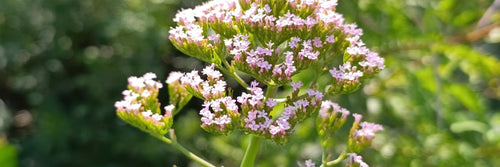


Echinacea — commonly known as purple coneflower — is a group of nine related plant species indigenous to North America. Three species have been used medicinally and are found in dietary supplements: Echinacea purpurea, E. angustifolia, and E. pallida [1][2][3]. The plant was originally discovered and used by Native Americans for respiratory tract infections, tooth pain, and snakebite. Today, echinacea is primarily promoted as a dietary supplement for the common cold and other upper respiratory tract infections, based on the hypothesis that certain species may stimulate the immune system.
Echinacea's popularity is primarily due to its reported ability to reduce the symptoms and duration of colds and flu-like illnesses. The German Commission E, World Health Organization (WHO), and Canadian Natural Health Products Directorate have all advocated the use of echinacea for upper respiratory tract symptoms related to the common cold [1]. However, the results of clinical trials have been mixed, and the overall evidence remains inconclusive.
A significant challenge in evaluating echinacea research is the wide variation in products studied. Different trials use different species, plant parts (root vs. aerial/above-ground portions), extraction methods (pressed juice, alcoholic extract, dried powder), and dosing regimens. The different species and plant parts contain different concentrations of bioactive compounds, and even the same plant may contain differing levels of these compounds depending on time of year, geographical location, and soil conditions [1][4][5]. It has not been conclusively determined whether it is one, a few, or the combined effect of many constituents that are responsible for echinacea's immune-modulating properties.
The National Center for Complementary and Integrative Health (NCCIH) states that taking echinacea may slightly reduce the chances of catching a cold, but that it remains unclear whether echinacea can shorten the length of a cold [3]. More recent NCCIH-sponsored research suggests that the activity of echinacea extracts is influenced by soil conditions that affect the plant's bacterial community, which may partly explain the inconsistency of clinical results [5].
Table of Contents
- Overview
- Forms and Bioavailability
- Evidence for Benefits
- Recommended Dosing
- Safety and Side Effects
- Drug Interactions
- Dietary Sources
- References
Overview
Echinacea — commonly known as purple coneflower — is a group of nine related plant species indigenous to North America. Three species have been used medicinally and are found in dietary supplements: Echinacea purpurea, E. angustifolia, and E. pallida [1][2][3]. The plant was originally discovered and used by Native Americans for respiratory tract infections, tooth pain, and snakebite [3]. Today, echinacea is primarily promoted as a dietary supplement for the common cold and other upper respiratory tract infections, based on the hypothesis that certain species may stimulate the immune system [3].
Echinacea's popularity is primarily due to its reported ability to reduce the symptoms and duration of colds and flu-like illnesses. The German Commission E, World Health Organization (WHO), and Canadian Natural Health Products Directorate have all advocated the use of echinacea for upper respiratory tract symptoms related to the common cold [1]. However, the results of clinical trials have been mixed, and the overall evidence remains inconclusive.
A significant challenge in evaluating echinacea research is the wide variation in products studied. Different trials use different species, plant parts (root vs. aerial/above-ground portions), extraction methods (pressed juice, alcoholic extract, dried powder), and dosing regimens. The different species and plant parts contain different concentrations of bioactive compounds, and even the same plant may contain differing levels of these compounds depending on time of year, geographical location, and soil conditions [1][4][5]. It has not been conclusively determined whether it is one, a few, or the combined effect of many constituents that are responsible for echinacea's immune-modulating properties [1].
Want to Optimize Your Immune Health?
Echinacea is one tool for immune support. Get personalized recommendations that cover supplements, lifestyle, and screening for your specific health profile.
Get Your Personalized Health PlanThe National Center for Complementary and Integrative Health (NCCIH) states that taking echinacea may slightly reduce the chances of catching a cold, but that it remains unclear whether echinacea can shorten the length of a cold [3]. More recent NCCIH-sponsored research suggests that the activity of echinacea extracts is influenced by soil conditions that affect the plant's bacterial community, which may partly explain the inconsistency of clinical results [5].
Forms and Bioavailability
Active Compounds
Echinacea contains several classes of bioactive compounds [1]:
Phenolic acids (phenols): These include cichoric acid (also spelled "chicoric acid"), caftaric acid, chlorogenic acid, echinacoside, and cynarin. Phenols have been shown to inhibit steps in the development of inflammation. Cichoric acid also demonstrates immunostimulatory properties and, along with other compounds from E. purpurea aerial parts, may inhibit the replication of certain viruses in laboratory studies, including HSV-1 and HSV-2, respiratory syncytial virus, rhinoviruses, and coronaviruses [6].
Alkamides (isobutylamides): These occur at very low concentrations (0.01%) in dried E. purpurea aerial parts but at substantially higher concentrations (0.75%) in E. angustifolia root. Alkamides may be partly responsible for anxiolytic (anti-anxiety) effects observed in some studies [1][7].
Polysaccharides: Found in echinacea as well as in other botanicals, grains, vegetables, fruits, nuts, and cereal bran. Polysaccharides are generally removed during extraction [1].
Phenol Content by Species and Plant Part
The United States Pharmacopeia (USP) specifies minimum phenol content for echinacea preparations [1]:
| Species and Part | Dominant Phenols | Minimum Phenol Content (Dried) |
|---|---|---|
| E. purpurea aerial parts (dried herb powder) | Cichoric acid, caftaric acid | At least 1% (~0.25% in fresh herb) |
| E. purpurea root | Caftaric, cichoric, chlorogenic acids | At least 0.5% |
| E. angustifolia root | Echinacoside, cynarin, chlorogenic acid | At least 0.5% |
| E. pallida root | Caftaric, cichoric, chlorogenic acids, echinacoside | At least 0.5% |
Products listed as extracts typically contain about four times the concentration of phenols expected in dried herb or root, but this can vary [1].
Supplement Forms
Echinacea supplements are available in multiple forms, each with different concentrations of bioactive compounds:
Pressed juice extracts: Made from freshly harvested plant material (usually E. purpurea aerial parts). The largest clinical trial showing benefit used a pressed juice alcoholic extract [8].
Alcoholic (ethanolic) extracts: Concentrated liquid preparations. These may be dried into extract powders for capsule or tablet formulation. Common clinical doses for dried extract powders are approximately 900 mg per day [9].
Dried herb/root powders: Contain the full spectrum of plant chemicals but at lower concentrations than extracts. Products made with large amounts of dried herb powder (sometimes over 3,000 mg per day) may appear to provide "more" echinacea than extracts (typically several hundred milligrams per day), but dry extracts are generally four times the concentration of herb powders [1]. While some herbalists believe dried herb powders are superior because they provide a wider spectrum of plant chemicals, there is less clinical evidence for dried herb powders of echinacea than for extracts [1].
Tinctures: Liquid preparations, particularly if made from fresh echinacea (which is 50-75% water), may have lower phenol concentrations than other forms [1].
Standardized extracts: Some products are standardized to specific substances such as cichoric acid, alkamides, or polysaccharides. The total phenolic content (determined by HPLC) should be about 0.5% to 1% for quality dried whole herb or root products and proportionally higher for extracts based on their listed ratios [1].
Species Differences
The three medicinal species differ considerably in their chemical composition:
- E. purpurea: The most commonly studied species. The aerial (above-ground) portions — stems, leaves, and flowers — have the most clinical evidence. Rich in cichoric acid. Many positive clinical trials have used pressed juice or alcoholic extracts of E. purpurea aerial parts [1][9].
- E. angustifolia: Root preparations are recognized by the USP and WHO. Contains the highest alkamide content of the three species (0.75% in dried root). Studied for anxiety. However, one well-controlled study found higher adverse effects with E. angustifolia root extract compared to placebo [12].
- E. pallida: Less commonly studied. An alcoholic extract of the root (900 mg per day) showed some promise in reducing average cold duration in one trial [13].
Quality Considerations
According to the FDA, echinacea product labels should include: the species used (E. purpurea, E. angustifolia, or E. pallida); the plant part used (root or aerial portions); the form (whole herb, extract, or tincture); and the amount per dose in grams or milligrams [1]. Not all products comply with these requirements.
Evidence for Benefits
Common Cold: Prevention
The evidence for echinacea in preventing colds is mixed, with the magnitude of benefit — if any — appearing modest.
Meta-analysis (2007): A meta-analysis pooling results of multiple clinical trials found that prophylactic use of echinacea reduced the incidence of colds by 65%, but only by 35% if taken at the first sign of symptoms (Shah et al., Lancet Infect Dis, 2007) [14]. This analysis has been influential but included heterogeneous preparations.
Largest prevention trial (2012): The largest study of echinacea to date suggests it is modestly effective at preventing colds when taken three times daily throughout the cold season (and five times daily during an active cold). Compared to placebo, the echinacea-treated group experienced 26% fewer cold "events" (combining colds and days spent with colds). There were also fewer recurrent colds among those treated, and they took less pain medication (such as aspirin) during colds. The study used a liquid supplement made from freshly harvested E. purpurea (95% aerial parts and 5% root) as an alcoholic extract (Jawad et al., Evid Based Complement Alternat Med, 2012) [8]. Participants swallowed a 0.9 mL (33 drops) dose three times per day during prevention and five times daily during acute cold stages. Drops were diluted in water and retained in the mouth for 10 seconds before swallowing "to provide maximum local antiviral effects." Most participants were not 100% compliant, but those who were experienced even greater reductions in colds. It is noteworthy that the extract used in this trial was 65% ethanol, which itself may have direct antiviral properties [8].
Negative prevention trial (2008): A study found that taking an E. purpurea extract during winter months did not significantly prevent upper respiratory tract infections versus placebo (O'Neil et al., Ann Allergy Asthma Immunol, 2008) [15]. However, this study did not specify the plant part used and did not report analytical confirmation of the product's contents.
E. angustifolia and E. purpurea root comparison: A well-controlled study comparing ethanolic extracts of E. angustifolia root and E. purpurea root to placebo found no significant benefit for either preparation in preventing upper respiratory tract infections. Interestingly, participants in the echinacea groups believed they had experienced more benefit than those in the placebo group, despite no objective differences. Adverse effects were significantly higher in the E. angustifolia group compared to placebo (Melchart et al., Arch Fam Med, 1998) [12].
Systematic review and meta-analysis (2019): A systematic review and meta-analysis concluded that echinacea may slightly reduce the chances of catching a cold, though more research is needed to confirm these findings (David & Cunningham, Complement Ther Med, 2019) [16].
Children — prevention: One recent study found that echinacea might reduce the chance of respiratory tract infection and associated complications in children, including reduced antibiotic usage, but the evidence is not conclusive enough to support a clear connection (Ogal et al., Eur J Med Res, 2021) [17]. The NCCIH recommends consulting a child's healthcare provider before giving echinacea to a child [3].
Cochrane and Bayesian network analysis: An overview of Cochrane systematic reviews and Bayesian network meta-analysis examining interventions for preventing influenza found that echinacea was among the interventions with some suggestive evidence, though the certainty of evidence was generally low (Yuan et al., J Integr Med, 2021) [18].
Common Cold: Treatment (Reducing Duration and Severity)
Large trial — no substantial benefit (2010): A large, well-controlled trial giving a five-day course of echinacea at the first sign of cold symptoms failed to show a substantial benefit. The study used tablets containing dried extracts of E. purpurea and E. angustifolia root (Barrett et al., Ann Intern Med, 2010) [19]. This trial was considered one of the highest-quality studies and was influential in tempering enthusiasm for echinacea as a cold treatment.
Children — no benefit (2003): A placebo-controlled study among children in Seattle found no benefit in reducing the duration or symptoms of colds when a non-alcoholic preparation of pressed juice from E. purpurea aerial parts was taken twice daily starting at the onset of symptoms and continued for a maximum of 10 days. Furthermore, rash occurred in 7.1% of children given echinacea versus 2.7% of those given placebo (Taylor et al., JAMA, 2003) [20]. However, the study noted a lower incidence of subsequent infections in the echinacea group.
Esberitox combination product: Several small, company-funded studies suggest that taking 6 tablets of a proprietary blend containing extracts of E. purpurea and E. pallida root, wild indigo (Baptisia tinctoria) root, and Thuja occidentalis leaf three times daily during a cold or respiratory tract infection may hasten improvement in symptoms (nasal congestion, hoarseness, chest pain) by approximately one to three days — especially when taken at the earliest onset of symptoms (Zepelin et al., Curr Med Res Opin, 1999; Naser et al., Phytomedicine, 2005) [21][22]. Note: Thuja occidentalis is an ingredient that may potentially cause seizures in people with seizure disorder [23].
Esberitox in chronic bronchitis exacerbation: Among adults with acute exacerbation of chronic bronchitis who took an antibiotic, those who also took a liquid preparation of the same combination extract three times daily (total daily dose of 8.8 mL) for 28 days were breathing slightly better at day 10 of treatment than those given placebo (Hauke et al., Chemotherapy, 2002) [24]. No serious adverse events were reported; mild to moderate side effects including nausea and insomnia occurred in a small number of participants.
E. pallida root (1997): An alcoholic extract of the root portion of E. pallida at 900 mg per day showed some promise relative to placebo in reducing the average length of a cold (Dorn et al., Complement Ther Med, 1997) [13].
Novel echinacea formulations (2023): A more recent randomized blinded controlled trial examined novel echinacea formulations for the treatment of acute respiratory tract infections in adults and found evidence of modest benefit (Sumer et al., Front Med, 2023) [25].
Cochrane Review (2006): A Cochrane review found that clinical studies suggesting benefit for colds were most commonly conducted with products extracted from the aerial portions of E. purpurea, either as pressed juice extracts or alcohol extracts often dried into extract powders at approximately 900 mg per day (Linde et al., Cochrane Database Syst Rev, 2006) [9].
Systematic reviews of immune supplements (2022-2023): Systematic reviews of dietary supplements for immune support found some evidence for echinacea but highlighted the need for more standardized research and higher quality trials (Crawford et al., Nutrients, 2022; Crawford et al., J Integr Complement Med, 2023) [26][27].
Synthesis: Echinacea for Colds
The best available evidence suggests that echinacea — particularly E. purpurea aerial parts as alcoholic extract — may modestly reduce the incidence of colds when taken prophylactically throughout the cold season. The effect size is modest: approximately 26% fewer cold events in the largest trial [8], with higher estimates from pooled analyses [14]. For treatment of established colds, the evidence is weaker, with the highest-quality trials showing no substantial benefit [19][20]. The inconsistency across trials likely reflects differences in species, plant parts, preparations, dosing regimens, and timing of use relative to symptom onset [1][4].
The NCCIH summary reflects this uncertainty: echinacea may slightly reduce the chances of catching a cold, but whether it can meaningfully shorten a cold remains unclear [3].
Antiviral Effects (Coronavirus and Other Viruses)
In-vitro antiviral activity: Laboratory tests show that cichoric acid and other compounds from E. purpurea aerial parts may inhibit the replication of certain viruses, including HSV-1 and HSV-2, respiratory syncytial virus, rhinoviruses, and coronaviruses [6].
SARS-CoV-2 (COVID-19): An in-vitro study found that an E. purpurea alcoholic extract inhibited specific common cold coronaviruses as well as SARS-CoV-2, the coronavirus that causes COVID-19 (Signer et al., Virology, 2020) [28]. The study was funded by the manufacturer of the extract and authored in part by two company employees as well as a grant recipient. While the extract tested was 65% ethyl alcohol — which itself can inhibit viruses — the researchers explained that they had extensively diluted the extract in the experiment and demonstrated that similarly diluted ethyl alcohol alone would not cause viral inhibition [28][29]. Despite these in-vitro findings, there is no clinical evidence that taking this or any other echinacea product can prevent or treat coronavirus infections in people [1].
Anxiety
Although it has been proposed that echinacea may have anti-anxiety effects, the evidence is weak and conflicting.
Early small studies: Two small studies by the same research group found that an E. angustifolia root extract standardized to 3% echinacoside and containing 1-1.5% alkamides — which may be responsible for any anxiolytic effects — decreased anxiety scores in patients with subthreshold/mild anxiety and generalized anxiety disorder [7]. However, a panel of the European Food Safety Authority (EFSA) reviewed these studies and considered them insufficient to establish a cause-and-effect relationship, refusing to grant the product the right to claim that it could reduce anxiety (EFSA J, 2016) [30].
Seven-day placebo-controlled trial: A later placebo-controlled study of the same extract given at 40 mg three times daily for seven days found that it modestly reduced levels of anxiety in response to anxiety-producing situations but not underlying (trait) anxiety. The lead researcher holds a patent on the anxiolytic effects of echinacea (Haller et al., Phytother Res, 2020) [10].
Six-week anxiety trial: A more recent study in which the same extract was given at 20 mg or 40 mg twice daily (total daily dosage 40 mg or 80 mg) to 93 men and women with mild to moderate anxiety for six weeks showed very modest improvements in self-reported moods and emotions, but no reduction in anxiety compared to placebo. The study was funded by a U.S. distributor of the product (Lopresti et al., J Affect Disord, 2021) [11].
Synthesis: The evidence for echinacea as an anti-anxiety agent is insufficient. The positive findings come from studies by the same research group with conflict-of-interest concerns, and the largest and most recent trial (93 participants, 6 weeks) showed no reduction in anxiety versus placebo [11]. The EFSA has explicitly rejected anxiety-related health claims for echinacea [30].
Cervical Health
One randomized controlled trial examined echinacea supplementation (E. angustifolia and E. purpurea) combined with vaginal hyaluronic acid for the remission of cervical low-grade squamous intraepithelial lesions (L-SILs). The study reported that the combination treatment boosted remission rates compared to control (Riemma et al., Medicina (Kaunas), 2022) [31]. This is a single trial and the finding requires replication before drawing conclusions.
Immune Modulation — Mechanisms
Echinacea is believed to work primarily through modulation of the immune system rather than direct antiviral activity in vivo [1][3]. Proposed mechanisms include:
- Immunostimulation: Cichoric acid and other phenolic compounds show immunostimulatory properties in laboratory studies [6].
- Anti-inflammatory effects: Phenols including cichoric, caftaric, and chlorogenic acids inhibit steps in the development of inflammation [1].
- Viral replication inhibition (in vitro): Laboratory studies demonstrate inhibition of multiple respiratory viruses, though the clinical relevance is uncertain [6][28].
- Soil microbiome influence: Recent NCCIH-funded research has found that the immune-enhancing action of E. purpurea root is influenced by soil organic matter content, which affects the plant's bacterial community (Haron et al., Sci Rep, 2019) [5]. This may partly explain why echinacea products vary in effectiveness.
Recommended Dosing
There is no single standardized dose for echinacea because products vary widely in species, plant part, extraction method, and concentration. Dosing recommendations depend on the specific type of product used.
By Preparation Type
| Preparation | Typical Daily Dose | Clinical Basis |
|---|---|---|
| Alcoholic extract of E. purpurea aerial parts (liquid) | 0.9 mL (33 drops) 3x/day for prevention; 5x/day during cold | Jawad et al. 2012 — largest prevention trial [8] |
| Dried extract powder (E. purpurea aerial parts) | ~900 mg/day | Cochrane Review — most common dose in positive trials [9] |
| E. pallida root alcoholic extract | 900 mg/day | Dorn et al. 1997 [13] |
| E. angustifolia root extract (anxiety) | 20-40 mg 2-3x/day (standardized to 3% echinacoside) | Haller 2020, Lopresti 2021 — modest effects at best [10][11] |
| Combination extract (E. purpurea + E. pallida root + thuja + wild indigo) tablets | 6 tablets 3x/day | Zepelin 1999, Naser 2005 [21][22] |
| Combination extract liquid | 8.8 mL total daily dose | Hauke 2002 [24] |
Timing of Use
The evidence suggests that timing relative to cold onset matters:
- Prophylactic (preventive) use: Taking echinacea consistently throughout the cold and flu season appears to offer the most benefit. The largest positive trial used daily dosing from fall through spring [8]. The 2007 meta-analysis found a larger effect size for prophylactic use (65% reduction) than for treatment started at first symptoms (35% reduction) [14].
- At first symptoms: Some studies show modest benefit when treatment begins at the very first signs of a cold and continues for 1-2 weeks [1][21][22]. Delay in starting treatment appears to reduce effectiveness.
- During established cold: The evidence for benefit once a cold is established is weakest, with the highest-quality trial showing no substantial benefit [19].
Duration of Use
Echinacea has been used safely in clinical trials lasting up to 12 weeks, but it is not generally recommended for long-term continuous use [1]. The largest prevention trial ran for 4 months [8].
Administration Tips
Some clinical trial protocols suggest that liquid echinacea preparations be held in the mouth for 10 seconds before swallowing to provide "local antiviral effects" on the oral and pharyngeal mucosa [8]. This recommendation is based on the concept that direct contact with mucous membranes may enhance local immune activity and antiviral effects, although the evidence for this specific technique is limited.
Important Caveats
- Dried herb powders at high doses (>3,000 mg/day) may appear to provide more echinacea, but extracts are generally four times more concentrated [1].
- The phenol content of products can vary significantly between brands and batches.
- Many clinical trials used specific proprietary preparations, and results may not be generalizable to all echinacea products.
- The NCCIH notes that many echinacea products on the market may not contain what their labels claim [3].
Safety and Side Effects
General Safety Profile
Echinacea taken by itself appears to be relatively safe for most adults [1][3]. The herb has been used safely in trials lasting up to 12 weeks. Reported side effects are generally minor and include:
- Non-specific gastrointestinal symptoms (abdominal pain, nausea, stomach pain)
- Increased urination
- Nausea (with some combination products)
- Insomnia (reported with some combination products)
The NCCIH states that it is likely safe for most adults to consume products with extracts of E. purpurea, and some mixtures of E. purpurea and E. angustifolia, for short periods of time [3].
Allergic Reactions
Some people may be allergic to echinacea. People allergic to sunflowers, daisies, ragweed, and other flowers in the Asteraceae (daisy) family have a higher risk of allergic reaction [1][3]. Allergic reactions to echinacea can occasionally be severe [3].
Rash in Children
A large controlled study found that children given echinacea were somewhat more likely to develop a rash than those given placebo (7.1% vs. 2.7%), but otherwise no harmful effects were observed [20]. The NCCIH notes that it is possibly safe for children to consume E. purpurea extract for short periods, but there is concern that allergic reactions could be severe in some children [3]. Parents should consult a healthcare provider before giving echinacea to a child.
Hepatotoxicity
Two cases of acute hepatitis (liver inflammation) have been reported with the use of echinacea root tablets:
- Case 1 (Turkey): A patient taking 600-1,500 mg per day of echinacea root tablets (species not specified) developed acute hepatitis, which resolved within one to three months of stopping supplementation (Kocaman et al., Eur J Intern Med, 2008) [32].
- Case 2 (Greece): A similar case involving echinacea root tablets resolved after discontinuation (Gabranis et al., J Postgrad Med, 2015) [33].
While these are rare case reports, they warrant caution, particularly with high-dose or long-term root preparations.
Autoimmune Concerns
Because echinacea is thought to work by stimulating the immune system, it is generally not recommended for people with autoimmune diseases (such as lupus, rheumatoid arthritis, multiple sclerosis) or those taking immunosuppressant drugs [1][3]. The theoretical concern is that immune stimulation could exacerbate autoimmune conditions, though this has not been conclusively demonstrated in clinical studies.
Thuja-Containing Combination Products
Some echinacea combination products contain Thuja occidentalis (white cedar) leaf. This ingredient has been reported to potentially cause seizures in people with seizure disorders (Millet et al., Clin Toxicol, 1981) [23]. Consumers should check ingredient labels carefully.
Pregnancy and Lactation
There is limited information on the safety of echinacea during pregnancy and lactation [1][3]. Some studies of solid or liquid extracts of E. purpurea and E. angustifolia suggest it is possibly safe for up to 7 days during the first trimester of pregnancy [3]. One review article indicates that using echinacea during the first trimester may be safe, though it is not recommended during lactation until further studies are done (Perri et al., Can J Clin Pharmacol, 2006) [34]. Women who are pregnant, nursing, or may become pregnant should consult a healthcare provider.
Children
Echinacea has not been shown to be effective for treating colds in children [20], and the higher rate of rash observed in children given echinacea (7.1% vs. 2.7%) raises safety concerns [20]. However, one trial showed a lower incidence of subsequent infections in children who received echinacea [20], and another found potential for reduced antibiotic usage [17]. The NCCIH recommends talking with a child's healthcare provider before giving echinacea to a child [3].
Drug Interactions
CYP1A2 Inhibition (Caffeine Interaction)
Preliminary research suggests E. purpurea root may increase the effects of caffeine by inhibiting the CYP1A2 metabolic enzyme. One study found that echinacea increased blood concentrations of caffeine by as much as 30% (Gorski et al., Clin Pharmacol Ther, 2004) [35]. Individuals who consume significant amounts of caffeine should be aware of this potential interaction when taking echinacea root preparations.
CYP3A4 Metabolism
Echinacea may potentially affect the metabolism of drugs metabolized by the CYP3A4 enzyme. In-vitro studies have shown that echinacea extracts can affect CYP3A4 activity (Budzinski et al., Phytomedicine, 2000) [36]. However, if used per label recommendations, echinacea supplements are not likely to have a dramatic effect on CYP3A4 activity (Gurley et al., Planta Med, 2012) [37]. Drugs metabolized by CYP3A4 include:
- Lovastatin (Mevacor)
- Atorvastatin (Lipitor)
- Simvastatin (Zocor)
- Clarithromycin (Biaxin)
- Cyclosporine (Neoral, Sandimmune)
- Diltiazem (Cardizem)
- Estrogens
- Triazolam (Halcion)
Warfarin
Echinacea may affect the metabolism of warfarin (Coumadin), although clinically significant changes in INR (international normalized ratio) have not been reported in studies to date [38][39]. The NCCIH notes that there is conflicting evidence about whether echinacea interacts with drugs metabolized by the liver [3]. Patients on warfarin should inform their healthcare provider before using echinacea.
Immunosuppressant Drugs
Because echinacea is thought to stimulate the immune system, it may theoretically counteract the effects of immunosuppressant medications such as cyclosporine, tacrolimus, azathioprine, and corticosteroids [1][3]. Patients on immunosuppressive therapy should avoid echinacea or use it only under medical supervision.
General Recommendation
The NCCIH advises that anyone taking any type of medication should talk to their healthcare provider before using echinacea or other herbal products, as some herbs and medicines interact in harmful ways [3]. Echinacea is more likely to cause interactions through CYP enzyme modulation at higher doses and with root preparations (which contain higher alkamide concentrations) [35][37].
Dietary Sources
Echinacea is not found in food sources and is consumed exclusively as a dietary supplement or herbal preparation. The three medicinal species (E. purpurea, E. angustifolia, and E. pallida) are perennial plants native to areas east of the Rocky Mountains in the United States [3]. While widely cultivated today, they are not part of the food supply.
Combination Products
Echinacea is sometimes combined with other ingredients in supplement products [1]:
Goldenseal (Hydrastis canadensis): Often paired with echinacea in cold and immune products. While goldenseal may be useful as a topical antibacterial agent, clinical studies have not shown it to be useful in treating colds since it is not antiviral. Goldenseal is specifically not to be used by pregnant women [1].
Elderberry (Sambucus nigra): Some echinacea products include elderberry. Small clinical trials suggest that standardized elderberry fruit extract may have an immune-enhancing effect that could help reduce infection from colds and flu. The usual dose for standardized elderberry syrup ranges from 1 teaspoon four times daily for children to 2 teaspoons four times daily for adults during active illness, and lower doses for daily prophylactic use [40]. A standardized extract of elderberry in four doses of 175 mg has shown possible efficacy in preventing flu symptoms in a small pilot trial [41]. Note: a case of acute pancreatitis was reported in a 51-year-old man after taking elderberry extract [1].
Thuja (Thuja occidentalis) and wild indigo (Baptisia tinctoria): Fixed combinations of echinacea with thuja and wild indigo have been studied in clinical trials with generally positive results for cold symptom relief [21][22][24]. However, thuja carries a seizure risk for susceptible individuals [23].
Propolis and Vitamin C: Some combination products include echinacea with propolis and vitamin C.
Andrographis (Andrographis paniculata): Combinations of echinacea with andrographis leaf extract have been studied for immune support.
No meaningful scientific studies have evaluated the combination of echinacea specifically with goldenseal or elderberry [1].
Want to Optimize Your Immune Health?
Echinacea is one tool for immune support. Get personalized recommendations that cover supplements, lifestyle, and screening for your specific health profile.
Get Your Personalized Health PlanReferences
1. ConsumerLab. "Echinacea Supplements Review." Accessed 2026. https://www.consumerlab.com/reviews/echinacea-review/echinacea/
2. National Center for Complementary and Integrative Health (NCCIH). "Echinacea." Updated November 2024. https://www.nccih.nih.gov/health/echinacea
3. NCCIH. "Echinacea." Updated November 2024. https://www.nccih.nih.gov/health/echinacea
4. Qu L, Chen Y, Wang L, Ruan R. "Echinacea: Botany, Chemistry, Quality, and Cultivation." HortScience. 2005;40(5):1339-1342.
5. Haron MH, Tyler HL, Chandra S, et al. "Plant microbiome-dependent immune enhancing action of Echinacea purpurea is enhanced by soil organic matter content." Sci Rep. 2019;9(1):136. https://doi.org/10.1038/s41598-018-36907-x
6. Hudson JB. "Applications of the Phytomedicine Echinacea purpurea (Purple Coneflower) in Infectious Diseases." Pharmaceuticals (Basel). 2011;4(7):1019-1031. https://doi.org/10.3390/ph4071019
7. EFSA Panel on Dietetic Products, Nutrition and Allergies. "Scientific Opinion on the substantiation of a health claim related to Echinacea angustifolia root extract and reduction of subthreshold and mild anxiety." EFSA J. 2016.
8. Jawad M, Schoop R, Suter A, Klein P, Eccles R. "Safety and Efficacy Profile of Echinacea purpurea to Prevent Common Cold Episodes: A Randomized, Double-Blind, Placebo-Controlled Trial." Evid Based Complement Alternat Med. 2012;2012:841315. https://doi.org/10.1155/2012/841315
9. Linde K, Barrett B, Wolkart K, Bauer R, Melchart D. "Echinacea for preventing and treating the common cold." Cochrane Database Syst Rev. 2006;(1):CD000530. https://doi.org/10.1002/14651858.CD000530.pub2
10. Haller J, Krecsak L, Zámbori J. "Double-blind placebo controlled trial of the anxiolytic effects of a standardized Echinacea extract." Phytother Res. 2020;34(3):660-668. https://doi.org/10.1002/ptr.6558
11. Lopresti AL, Smith SJ, Drummond PD. "An investigation into an Echinacea angustifolia root extract on mood, anxiety, and well-being." J Affect Disord. 2021;293:260-267. https://doi.org/10.1016/j.jad.2021.06.050
12. Melchart D, Walther E, Linde K, Brandmaier R, Lersch C. "Echinacea root extracts for the prevention of upper respiratory tract infections." Arch Fam Med. 1998;7(6):541-545. https://doi.org/10.1001/archfami.7.6.541
13. Dorn M, Knick E, Lewith G. "Placebo-controlled, double-blind study of Echinacea pallida radix in upper respiratory tract infections." Complement Ther Med. 1997;5(1):40-42.
14. Shah SA, Sander S, White CM, Rinaldi M, Coleman CI. "Evaluation of echinacea for the prevention and treatment of the common cold: a meta-analysis." Lancet Infect Dis. 2007;7(7):473-480. https://doi.org/10.1016/S1473-3099(07)70160-3
15. O'Neil J, Hughes S, Lourie A, Zweifler J. "Effects of echinacea on the frequency of upper respiratory tract symptoms." Ann Allergy Asthma Immunol. 2008;100(4):384-388. https://doi.org/10.1016/S1081-1206(10)60603-5
16. David S, Cunningham R. "Echinacea for the prevention and treatment of upper respiratory tract infections: a systematic review and meta-analysis." Complement Ther Med. 2019;44:18-26. https://doi.org/10.1016/j.ctim.2019.03.011
17. Ogal M, Johnston SL, Klein P, Schoop R. "Echinacea reduces antibiotic usage in children through respiratory tract infection prevention." Eur J Med Res. 2021;26(1):33. https://doi.org/10.1186/s40001-021-00499-6
18. Yuan Y, Wang RT, Xia J, et al. "Interventions preventing influenza: an overview of Cochrane systematic reviews and a Bayesian network meta-analysis." J Integr Med. 2021;19(6):503-514. https://doi.org/10.1016/j.joim.2021.09.005
19. Barrett B, Brown RL, Rakel D, et al. "Echinacea for treating the common cold: a randomized trial." Ann Intern Med. 2010;153(12):769-777. https://doi.org/10.7326/0003-4819-153-12-201012210-00003
20. Taylor JA, Weber W, Standish L, et al. "Efficacy and safety of echinacea in treating upper respiratory tract infections in children." JAMA. 2003;290(21):2824-2830. https://doi.org/10.1001/jama.290.21.2824
21. Zepelin HH, Hentschel C, Schnitker J, et al. "Efficacy and safety of a fixed combination phytomedicine in the treatment of the common cold." Curr Med Res Opin. 1999;15(3):214-227. https://doi.org/10.1185/03007999909114094
22. Naser B, Lund B, Henneicke-von Zepelin HH, et al. "A randomized, double-blind, placebo-controlled, clinical dose-response trial of an extract of Baptisia, Echinacea and Thuja for the treatment of patients with common cold." Phytomedicine. 2005;12(10):715-722. https://doi.org/10.1016/j.phymed.2005.03.002
23. Millet Y, Jouglard J, Steinmetz MD, et al. "Toxicity of some essential plant oils." Clin Toxicol. 1981;18(12):1485-1498. https://doi.org/10.3109/15563658108990357
24. Hauke W, Kohler G, Henneicke-von Zepelin HH, Freudenstein J. "Esberitox N as supportive therapy when providing standard antibiotic treatment in subjects with a severe bacterial infection." Chemotherapy. 2002;48(5):259-266. https://doi.org/10.1159/000066769
25. Sumer J, Keckeis K, Scanferla G, et al. "Novel echinacea formulations for the treatment of acute respiratory tract infections in adults." Front Med. 2023;10:948787. https://doi.org/10.3389/fmed.2023.948787
26. Crawford C, Brown LL, Costello RB, et al. "Select dietary supplement ingredients for preserving and protecting the immune system in healthy individuals: a systematic review." Nutrients. 2022;14(21):4604. https://doi.org/10.3390/nu14214604
27. Crawford C, Brown LL, Costello RB, et al. "Immune supplements under the magnifying glass." J Integr Complement Med. 2023;29(4):261-267. https://doi.org/10.1089/jicm.2022.0722
28. Signer J, Jonsdottir HR, Albrich WC, et al. "In vitro virucidal activity of Echinaforce, an Echinacea purpurea preparation, against coronaviruses, including common cold coronavirus 229E and SARS-CoV-2." Virology. 2020;17(1):136. https://doi.org/10.1186/s12985-020-01401-2
29. Signer J, et al. "Author correction: In vitro virucidal activity of Echinaforce." Virology. 2020 (correction).
30. EFSA Panel on Dietetic Products, Nutrition and Allergies. "Scientific Opinion on the substantiation of a health claim related to Echinacea angustifolia root extract and reduction of subthreshold and mild anxiety." EFSA J. 2016.
31. Riemma G, Schettino MT, Munno GM, et al. "Echinacea supplementation combined with vaginal hyaluronic acid to boost the remission of cervical L-SILs." Medicina (Kaunas). 2022;58(5):646. https://doi.org/10.3390/medicina58050646
32. Kocaman O, Hulagu S, Senturk O. "Echinacea-induced severe acute hepatitis with features of cholestatic autoimmune hepatitis." Eur J Intern Med. 2008;19(2):148. https://doi.org/10.1016/j.ejim.2007.04.018
33. Gabranis I, Koufakis T, Papakrivos I, Batala S. "Echinacea-associated acute cholestatic hepatitis." J Postgrad Med. 2015;61(3):211-212. https://doi.org/10.4103/0022-3859.150907
34. Perri D, Dugoua JJ, Mills E, Koren G. "Safety and efficacy of echinacea during pregnancy and lactation." Can J Clin Pharmacol. 2006;13(3):e262-267. https://pubmed.ncbi.nlm.nih.gov/17085780/
35. Gorski JC, Huang SM, Pinto A, et al. "The effect of echinacea (Echinacea purpurea root) on cytochrome P450 activity in vivo." Clin Pharmacol Ther. 2004;75(1):89-100. https://doi.org/10.1016/j.clpt.2003.09.013
36. Budzinski JW, Foster BC, Vandenhoek S, Arnason JT. "An in vitro evaluation of human cytochrome P450 3A4 inhibition by selected commercial herbal extracts and tinctures." Phytomedicine. 2000;7(4):273-282. https://doi.org/10.1016/S0944-7113(00)80044-6
37. Gurley BJ, Fifer EK, Gardner Z. "Pharmacokinetic herb-drug interactions (part 2)." Planta Med. 2012;78(13):1490-1514. https://doi.org/10.1055/s-0031-1298331
38. Bristol-Myers Squibb. "Coumadin (warfarin sodium) Prescribing Information." 2019.
39. Abdul MI, Jiang X, Williams KM, et al. "Pharmacokinetic and pharmacodynamic interactions of echinacea and policosanol with warfarin in healthy subjects." Br J Clin Pharmacol. 2010;69(5):508-515. https://doi.org/10.1111/j.1365-2125.2010.03617.x
40. American Botanical Council (ABC). "Clinical Guide to Elderberry." 2004.
41. Kong F. "Pilot clinical study on a proprietary elderberry extract." 2009.
42. Anheyer D, Cramer H, Lauche R, et al. "Herbal medicine in children with respiratory tract infection: systematic review and meta-analysis." Acad Pediatr. 2018;18(1):8-19. https://doi.org/10.1016/j.acap.2017.08.006