

D-mannose is a naturally occurring simple sugar (monosaccharide) closely related to glucose. It is an epimer of glucose, differing only in the configuration of the hydroxyl group at the C-2 carbon position [1][2]. Despite being a sugar, D-mannose follows a distinct metabolic pathway in the human body — only a small fraction is metabolized for energy, while the majority is rapidly excreted unchanged in urine after oral ingestion [1][2][3]. This unique pharmacokinetic property is central to its proposed mechanism of action in preventing urinary tract infections (UTIs).
The body naturally produces D-mannose from glucose through enzymatic conversion, and it plays essential roles in glycoprotein synthesis and immune function [1][2]. Mannose is a critical component of N-linked glycosylation, a post-translational modification required for proper protein folding, cell signaling, and immune recognition [2][4]. Mannose-binding lectin (MBL), a key component of the innate immune system, depends on mannose residues for pathogen recognition and complement activation [2].
D-mannose has gained significant consumer interest primarily as a natural approach to preventing recurrent urinary tract infections (UTIs). UTIs are among the most common bacterial infections worldwide, affecting approximately 150 million people annually [5]. Women are disproportionately affected — roughly 50-60% of women will experience at least one UTI in their lifetime, and 20-30% of those will have recurrent infections [5][6]. The standard approach to preventing recurrent UTIs involves long-term, low-dose prophylactic antibiotics, which raises concerns about antibiotic resistance, adverse effects, and disruption of the gut microbiome [5][6].
The proposed mechanism for D-mannose in UTI prevention centers on uropathogenic Escherichia coli (UPEC), which causes approximately 80-90% of uncomplicated UTIs. UPEC adheres to the uroepithelial lining of the bladder via type 1 fimbriae (pili) tipped with FimH adhesin proteins [1][2][7]. FimH has a high affinity for mannose residues on the glycoprotein surface of uroepithelial cells. When D-mannose is present in urine at sufficient concentrations, it competitively binds to FimH, saturating the adhesin binding sites and preventing the bacteria from attaching to the bladder wall [1][2][7]. Unable to adhere, the bacteria are flushed out during normal urination.
This anti-adhesion mechanism is supported by extensive in vitro and animal research [2][7]. However, as detailed in the Evidence section below, clinical trial results in humans have been mixed, with the largest and highest-quality placebo-controlled study showing no benefit [8]. The overall evidence base remains inconclusive, and D-mannose should not be considered a proven treatment or preventive for UTIs.
D-mannose is available as a dietary supplement in powder and capsule forms. It is classified as a food supplement in most jurisdictions and is not FDA-approved for the treatment or prevention of any disease. Supplements typically provide 500-2,000 mg per dose [1].
Table of Contents
- Overview
- Forms and Bioavailability
- Evidence for Benefits
- Recommended Dosing
- Safety and Side Effects
- Drug Interactions
- Dietary Sources
- References
Overview
D-mannose is a naturally occurring simple sugar (monosaccharide) closely related to glucose. It is an epimer of glucose, differing only in the configuration of the hydroxyl group at the C-2 carbon position [1][2]. Despite being a sugar, D-mannose follows a distinct metabolic pathway — only a small fraction is metabolized for energy, while the majority is rapidly excreted unchanged in urine after oral ingestion [1][2][3]. This unique pharmacokinetic property is central to its proposed mechanism of action in preventing urinary tract infections.
The body naturally produces D-mannose from glucose through enzymatic conversion. It plays essential roles in glycoprotein synthesis and immune function [1][2]. Mannose is a critical component of N-linked glycosylation, a post-translational modification required for proper protein folding, cell signaling, and immune recognition [2][4]. Mannose-binding lectin (MBL), a key component of the innate immune system, depends on mannose residues for pathogen recognition and complement activation [2].
Looking for Evidence-Based Supplement Guidance?
D-mannose is just one option for urinary health. Get a personalized plan that identifies the supplements backed by the strongest evidence for your needs.
Get Your Personalized Health PlanUTIs are among the most common bacterial infections worldwide, affecting approximately 150 million people annually [5]. Women are disproportionately affected — roughly 50-60% of women will experience at least one UTI in their lifetime, and 20-30% of those will have recurrent infections [5][6]. The standard approach to preventing recurrent UTIs involves long-term, low-dose prophylactic antibiotics, which raises concerns about antibiotic resistance, adverse effects, and disruption of the gut microbiome [5][6]. D-mannose has attracted interest as a potential non-antibiotic alternative, though the evidence remains inconclusive.
Forms and Bioavailability
Available Forms
D-mannose supplements are available in two primary delivery formats:
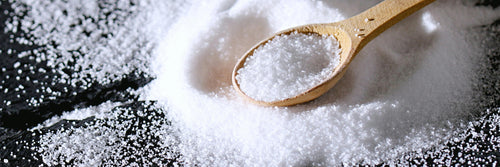
Powder: The most common form used in clinical trials. D-mannose powder is a white, crystalline substance with a mildly sweet taste — approximately 60% as sweet as sucrose [1][2]. It dissolves readily in water and is generally pleasant to consume. Powder allows for flexible dosing and was the form used in the largest clinical trial (Hayward et al., 2024) at a dose of approximately 2 grams daily [8]. Most powder products provide D-mannose derived from corn starch or birch wood through enzymatic or chemical processing [1].
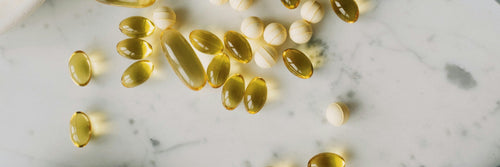
Capsules/Tablets: Convenient for standardized dosing, typically containing 500-1,000 mg per capsule. Higher doses (1,500-2,000 mg) require multiple capsules per serving. Capsules should be taken with a full glass of water to ensure adequate hydration and urinary flow, which is important for the proposed mechanism of action [1].
Combination products: Several commercial products combine D-mannose with other ingredients purported to support urinary tract health, including cranberry extract, probiotics, prebiotics, arabinogalactan, astragalus root, and dandelion extract [1][9]. The efficacy of these combinations is difficult to evaluate because individual ingredient contributions cannot be isolated. One placebo-controlled study used a combination product (2,000 mg D-mannose with 1,500 mg prebiotics, 140 mg arabinogalactan, 200 mg astragalus root extract, and 50 mg dandelion extract) and reported positive results, but it is impossible to determine what role D-mannose specifically played [9].
Bioavailability and Pharmacokinetics
D-mannose is absorbed in the upper gastrointestinal tract via glucose transporters, but its absorption is incomplete [2][3]. Key pharmacokinetic features include:
- Rapid absorption: Serum D-mannose levels rise within 30-60 minutes of oral ingestion [2][3].
- Rapid urinary excretion: The majority of absorbed D-mannose is excreted unchanged in urine, with peak urinary concentrations occurring approximately 1-3 hours after ingestion [2][3]. This rapid renal clearance is the basis for its proposed mechanism — it delivers D-mannose directly to the urinary tract where it can interfere with bacterial adhesion.
- Minimal metabolism: Unlike glucose, D-mannose is largely not metabolized for energy. Only a small percentage enters glycolysis or is used in glycoprotein synthesis [2][3]. This means D-mannose contributes negligible calories despite being a sugar.
- Dose-dependent excretion: Higher oral doses result in higher urinary concentrations, but the relationship plateaus at higher intakes as gastrointestinal absorption becomes saturated [2][3].
- Short duration of action: Because D-mannose is rapidly cleared from the body, its presence in urine is transient. This is why clinical protocols typically involve daily dosing to maintain urinary concentrations [1][8][10][11].
Sourcing and Manufacturing
D-mannose is commercially produced from several sources [1][2]:
- Corn starch: The most common source. People with corn allergies should be aware that labels may not disclose the corn origin. At least one manufacturer (Micro Ingredients) has confirmed their D-mannose is derived from non-GMO corn [1].
- Birch wood: Some European manufacturers extract D-mannose from birch wood hemicellulose.
- Enzymatic conversion: Industrial production often involves enzymatic isomerization of fructose or glucose to D-mannose.
- Cranberry extraction: Small-scale extraction from cranberry is possible but commercially impractical due to the low mannose content of cranberries.
Storage
D-mannose is hygroscopic — it absorbs moisture from the air [1]. Once opened, containers should be promptly reclosed and powder should be kept away from humid environments to avoid clumping. Refrigerating opened containers of powder is a reasonable precaution [1]. Capsule forms are less susceptible to moisture but should still be stored in cool, dry conditions.
Evidence for Benefits
Prevention of Urinary Tract Infections (UTIs)
UTI prevention is the primary proposed use for D-mannose supplementation. The evidence base includes several clinical trials of varying quality, a meta-analysis, and extensive preclinical research. Importantly, the results are mixed, with the largest and most rigorous study showing no benefit.
The Definitive Trial: Hayward et al. (2024)
The highest-quality study evaluating D-mannose for UTI prevention was a large, placebo-controlled, randomized clinical trial conducted in the UK [8]. This study fundamentally changed the evidence landscape for D-mannose.
Design: Randomized, double-blind, placebo-controlled trial.
Participants: 598 women with a history of recurrent UTIs (defined as two or more UTIs in the past 6 months or three or more in the past 12 months). The average age was 58 years, and 63.1% of participants were postmenopausal. This is a clinically relevant population — postmenopausal women are at increased UTI risk due to declining estrogen levels, changes in vaginal flora, and urogenital atrophy [8].
Intervention: Approximately 2 grams of D-mannose powder daily for 6 months versus placebo.
Results:
- D-mannose did NOT reduce the risk of experiencing another UTI compared to placebo [8].
- Among those who developed UTIs, there was no reduction in symptom duration [8].
- There was no reduction in the number of hospitalizations related to UTIs [8].
- The results were consistent across subgroups, including pre- and postmenopausal women [8].
Placebo consideration: The placebo used was fructose, which is notable because fructose has been shown in test-tube studies to prevent adhesion of bacteria to uroepithelial cells [1][8]. The authors acknowledged that this theoretical anti-adhesion effect of fructose might partially explain the lack of observed benefit for D-mannose — if both D-mannose and the placebo had some anti-adhesion activity, differences between groups would be minimized. However, fructose has never been shown to prevent UTIs in any clinical study [1][8].
Significance: This trial was substantially larger than all prior D-mannose studies (598 participants vs. fewer than 100 in most earlier trials), had a proper placebo control (which most prior trials lacked), used a clinically relevant dose (2 g/day), and ran for a meaningful duration (6 months). Its negative findings carry considerable weight [8].
Earlier Positive Studies
Several earlier, smaller studies — many without placebo controls — did suggest benefit for UTI prevention. These should be interpreted cautiously in light of the Hayward trial.
Porru et al. (2014): A study in women (average age 42) with recurrent UTIs compared D-mannose to prophylactic antibiotics (trimethoprim/sulfamethoxazole). D-mannose was given at 1 gram three times daily for 2 weeks, then 1 gram twice daily for 5 months. The D-mannose group had significantly more women remaining infection-free compared to the antibiotic group [10].
Key limitations: This study did not include a placebo group — it compared D-mannose only to antibiotics. Without a placebo arm, it is impossible to determine whether D-mannose was truly effective or whether the antibiotic comparator group performed poorly. The study also used a higher total daily dose (2-3 grams, split across multiple doses) compared to the once-daily dosing in the Hayward trial [10].
Kranjcec et al. (2014): This study compared 2 grams of D-mannose powder (U-tract, Progressive Laboratories) taken once every evening for 6 months to prophylactic nitrofurantoin (an antibiotic) and no treatment. Results showed [11]:
- 15% of women taking D-mannose developed another UTI
- 21% of women taking nitrofurantoin developed another UTI
- 62% of women receiving no treatment developed another UTI
- Women taking D-mannose reported significantly fewer side effects than those on the antibiotic, with only a small percentage experiencing diarrhea [11].
Key limitations: This was not placebo-controlled. The no-treatment arm provides some comparison, but without blinding, placebo effects cannot be ruled out. The study enrolled younger women (average age 49) than the Hayward trial, which may have influenced results [11].
Domenici et al. (2016): A pilot study involving some women who took 1.5 grams of D-mannose daily for one week every other month for 6 months after initial UTI treatment. These women had fewer recurrences (4.5% vs. 33.3%) than untreated women. However, this study had no placebo group, making it impossible to draw firm conclusions [12].
Meta-Analysis: Lenger et al. (2020)
A meta-analysis pooled data from the Porru, Kranjcec, and Domenici studies and found that D-mannose following UTI treatment reduced the risk of recurrent UTI by 77% compared to no prophylaxis [13]. The effectiveness appeared similar to preventive antibiotics such as nitrofurantoin [13].
However, the authors themselves noted important caveats [1][13]:
- The small number of included studies (only 3)
- The lack of placebo controls in the component studies
- Significant variation in D-mannose dosing between studies (ranging from 1.5 g intermittently to 2 g daily for 6 months)
- These results are "still inconclusive" [1][13]
Critically, this meta-analysis was published before the much larger Hayward et al. (2024) trial, which showed no benefit [8]. An updated meta-analysis incorporating the Hayward data would likely show a substantially attenuated — or absent — overall effect.
Summary of UTI Prevention Evidence
| Study | Year | N | Design | Dose | Duration | Result |
|---|---|---|---|---|---|---|
| Porru et al. | 2014 | ~60 | D-mannose vs. antibiotic (no placebo) | 1 g TID then 1 g BID | 6 months | Positive vs. antibiotic |
| Kranjcec et al. | 2014 | ~308 | D-mannose vs. antibiotic vs. no treatment | 2 g daily | 6 months | Positive vs. no treatment; similar to antibiotic |
| Domenici et al. | 2016 | ~43 | D-mannose vs. no treatment (no placebo) | 1.5 g intermittently | 6 months | Positive vs. no treatment |
| Lenger et al. (meta-analysis) | 2020 | ~411 | Pooled 3 studies | Various | Various | 77% risk reduction vs. no prophylaxis |
| Hayward et al. | 2024 | 598 | RCT, placebo-controlled | ~2 g daily | 6 months | No benefit vs. placebo |
The evidence trajectory for D-mannose in UTI prevention follows a familiar pattern in supplement research: early, small, often uncontrolled studies show promising results, but when tested rigorously in a large, properly controlled trial, the benefit disappears. The Hayward trial remains the definitive study, and its findings should carry the most weight in clinical decision-making.
Treatment of Active UTIs
Evidence for D-mannose as a treatment for active UTIs is more limited and preliminary.
Domenici et al. (2016): The pilot study among 43 women with active UTIs found that taking 1.5 grams of D-mannose twice daily for 3 days, then once daily for 10 days, appeared to improve symptoms such as pain and urgency compared to women not receiving treatment [12]. However, there was no benefit for backache or blood in urine, and the study had no placebo group [12]. The absence of a placebo control is particularly problematic for UTI treatment studies because UTI symptoms often resolve spontaneously, and the placebo effect for pain and urgency can be substantial.
Salvatore et al. (2023): A placebo-controlled study among 70 women evaluated a combination product containing 2,000 mg D-mannose along with 1,500 mg prebiotics, 140 mg arabinogalactan, 200 mg astragalus root extract, and 50 mg dandelion extract [9]. Given twice daily for 5 days (with phenazopyridine and alkalizing agents provided to both groups), the combination product resolved UTI symptoms in 88.6% of young women versus only 20% given placebo, with similar resolution of bacteriuria [9].
Key limitations: It is impossible to determine what role D-mannose specifically played in the results, given the multiple active ingredients. The study was sponsored by International Health Science (Italy), which also helped design and conduct the study. The trial took place in India despite all listed authors being based in Italy, which raises questions about study oversight. The substantial gap between treatment and placebo groups (88.6% vs. 20%) is unusually large for a supplement study and warrants replication by independent investigators [1][9].
Clinical position: D-mannose should NOT be used as a substitute for antibiotic treatment of confirmed UTIs. Untreated UTIs can progress to pyelonephritis (kidney infection) and urosepsis, which are potentially life-threatening conditions [5][6]. Any woman experiencing UTI symptoms should consult a healthcare provider for appropriate diagnosis and treatment.
Treatment of MPI-Congenital Disorder of Glycosylation
D-mannose appears to be helpful in improving symptoms in infants and children with mannose-6-phosphate isomerase (MPI)-congenital disorder of glycosylation (MPI-CDG) — a rare inherited metabolic condition characterized by defective glycoprotein synthesis [4]. MPI-CDG is caused by mutations in the MPI gene, leading to impaired conversion of fructose-6-phosphate to mannose-6-phosphate. Oral D-mannose supplementation bypasses this enzymatic block by providing mannose directly for glycoprotein synthesis [4].
This is a niche clinical application with a strong mechanistic rationale and is managed under specialist metabolic physician supervision. Doses used in MPI-CDG treatment (typically 150-170 mg/kg body weight per day in divided doses) are substantially higher than those used for UTI prevention and are tailored to individual patient needs [4].
Preclinical Research: Anti-Adhesion Mechanism
The scientific rationale for D-mannose in UTI prevention is primarily based on extensive in vitro and animal research demonstrating the anti-adhesion mechanism [2][7]:
- FimH binding: Uropathogenic E. coli (UPEC) express type 1 fimbriae with FimH adhesin at the tip. FimH binds to mannose residues on uroplakins (glycoproteins covering the bladder epithelium). D-mannose acts as a competitive inhibitor, binding to FimH and blocking bacterial attachment [2][7].
- In vitro studies: Cell culture experiments consistently demonstrate that D-mannose inhibits UPEC adhesion to uroepithelial cells in a dose-dependent manner [2][7].
- Animal models: Mouse studies have shown that D-mannose administration reduces bacterial colonization of the bladder following UPEC inoculation [2][7].
- Structural biology: X-ray crystallography of FimH has revealed the molecular details of mannose binding, enabling rational drug design of high-affinity FimH antagonists (mannosides) that are more potent than D-mannose itself [7]. These synthetic mannosides are in early-stage clinical development.
The disconnect between strong preclinical evidence and disappointing clinical trial results may be explained by several factors [8]:
- Urinary D-mannose concentrations achieved after oral dosing may be insufficient to outcompete the high-density mannose residues on the bladder surface
- The pharmacokinetics of oral D-mannose (rapid absorption and excretion) may not maintain adequate urinary concentrations throughout the day
- Not all UTIs are caused by type 1 fimbriated E. coli — other uropathogens (Klebsiella, Proteus, Enterococcus, Staphylococcus) use different adhesion mechanisms
- The clinical trial population (older, postmenopausal women) may have additional UTI risk factors beyond bacterial adhesion that D-mannose cannot address
Immune Function and Glycosylation
Beyond urinary tract health, D-mannose plays fundamental roles in human biology through its involvement in glycoprotein synthesis [2][4]:
- N-linked glycosylation: D-mannose is a critical sugar component of N-linked glycans, which are attached to proteins in the endoplasmic reticulum. These glycans are essential for proper protein folding, stability, trafficking, and function [2][4].
- Mannose-binding lectin (MBL): This pattern recognition molecule of the innate immune system recognizes mannose residues on pathogen surfaces, triggering the lectin complement pathway. Adequate mannose availability supports MBL-mediated immune surveillance [2].
- Immune cell function: Some preclinical research suggests that D-mannose may modulate immune cell activity, including regulatory T cell induction, but human clinical data on immunomodulatory effects is absent [2].
These roles are important for basic physiology but do not necessarily translate to clinical benefits from supplementation, as the body synthesizes adequate D-mannose from glucose under normal metabolic conditions [2].
Recommended Dosing
Doses Used in Clinical Trials
There is no established Recommended Dietary Allowance (RDA) or Adequate Intake (AI) for D-mannose, as it is not classified as an essential nutrient — the body synthesizes it endogenously from glucose [2].
Clinical trial dosing has varied considerably [1][8][10][11][12]:
| Protocol | Dose | Frequency | Duration | Study |
|---|---|---|---|---|
| UTI prevention | ~2 g powder | Once daily | 6 months | Hayward et al. 2024 (negative) |
| UTI prevention | 2 g powder | Once daily (evening) | 6 months | Kranjcec et al. 2014 |
| UTI prevention | 1 g then 1 g | TID (2 weeks) then BID (5 months) | ~6 months | Porru et al. 2014 |
| UTI prevention | 1.5 g | Daily, one week/month alternating | 6 months | Domenici et al. 2016 |
| Acute UTI treatment | 1.5 g | BID (3 days) then QD (10 days) | 13 days | Domenici et al. 2016 |
| Acute UTI (combo product) | 2 g + other ingredients | BID | 5 days | Salvatore et al. 2023 |
Practical Dosing Considerations
Product label doses: Many commercial D-mannose products suggest 2,000 mg (2 grams) taken once daily. However, several clinical studies that suggested benefits used split dosing — 1,000 mg twice daily (or three times daily initially) rather than a single large dose [1][10]. No studies have specifically evaluated 2,000 mg taken just once per day as a prevention strategy that showed benefit [1]. The one study that used approximately 2 grams once daily with a placebo control (Hayward et al., 2024) showed no benefit [8].
Split dosing rationale: Given the rapid renal excretion of D-mannose, split dosing (e.g., 1,000 mg twice daily rather than 2,000 mg once daily) is theoretically more rational because it maintains more consistent urinary D-mannose concentrations throughout the day [1][2]. This is analogous to how short-acting medications are dosed multiple times daily to maintain therapeutic levels. However, this hypothesis has not been directly tested in a head-to-head comparison.
Timing: D-mannose can be taken with or without food [1]. For UTI prevention, some protocols specify evening dosing (before bed), which aligns with the period when urine sits in the bladder longest, potentially allowing more time for D-mannose to interfere with bacterial adhesion [11].
Preparation: Powders should be mixed in water or another beverage. D-mannose has a pleasant, mildly sweet flavor [1]. Capsules should be taken with a full glass of water to support adequate hydration and urinary flow [1].
Hydration: Regardless of D-mannose supplementation, adequate fluid intake is a cornerstone of UTI prevention. Increased water intake (an additional 1.5 liters per day) has been shown in an RCT to reduce UTI recurrence by approximately 50% in premenopausal women [5].
Important Caveats
Given that the largest and most rigorous clinical trial (Hayward et al., 2024) showed no benefit for D-mannose in preventing UTIs [8], supplementation cannot be broadly recommended for this indication. Individuals who choose to try D-mannose should:
- Not use it as a substitute for prescribed antibiotic treatment of active UTIs
- Inform their healthcare provider about supplementation
- Seek medical attention promptly if UTI symptoms develop (painful urination, frequency, urgency, fever, flank pain)
- Not delay evidence-based preventive strategies (e.g., vaginal estrogen for postmenopausal women, which has stronger evidence) in favor of D-mannose
Safety and Side Effects
General Tolerability
D-mannose appears to be generally well tolerated in clinical trials lasting up to 6 months [1][8][10][11][13]. The most commonly reported adverse effect is mild diarrhea, occurring in a small percentage of users [1][11][13]. This is consistent with its nature as a poorly absorbed sugar — unabsorbed D-mannose can draw water into the intestinal lumen via osmotic effect, similar to other sugar alcohols and non-absorbed carbohydrates.
In the Kranjcec et al. (2014) study, women taking D-mannose reported significantly fewer side effects than those taking the antibiotic nitrofurantoin [11]. This favorable side effect profile relative to antibiotics is one of the main reasons D-mannose has attracted interest as an alternative preventive approach.
However, it is important to note that no studies evaluating D-mannose supplementation for longer than 6 months have been conducted [1][13]. The long-term safety profile therefore remains unknown.
Allergic Reactions
Corn allergy: Although often not stated on product labels, D-mannose is frequently produced from corn starch [1]. Individuals with corn allergies should inquire with manufacturers about the source material before use.
Serum sickness-like reaction (SSLR): One case report described an SSLR in a 16-year-old female who developed hives, headaches, and joint pain and swelling approximately three weeks after beginning a D-mannose-containing supplement (Uqora) [14]. Her symptoms improved significantly several days after stopping the supplement and eventually resolved, but reappeared within one day when she restarted it months later [14]. This is an immune-mediated hypersensitivity reaction most commonly associated with antibiotics, anticonvulsants, and anti-inflammatory medications [14].
It should be noted that the exact Uqora formula taken was not specified in the case report, and the product line contains multiple ingredients beyond D-mannose including vitamin C, calcium, magnesium, vitamin D, green tea extract, turmeric extract, and black pepper fruit powder [1][14]. It is therefore unclear whether D-mannose itself or another ingredient triggered the reaction. Nevertheless, this case report warrants awareness, particularly for individuals with a history of immune-mediated hypersensitivity reactions.
Blood Sugar and Diabetes
D-mannose is a sugar, and a theoretical concern exists that it could worsen glucose control in people with diabetes [1]. However, available evidence suggests this concern may be minimal:
- An experiment in non-diabetic individuals given several grams of D-mannose in water found that it did not affect markers of insulin resistance [15].
- D-mannose is largely not metabolized through glycolysis and is excreted unchanged in urine, which limits its impact on blood glucose levels [2][3].
- However, no studies have specifically evaluated D-mannose supplementation in patients with type 1 or type 2 diabetes. Until such data are available, individuals with diabetes should exercise caution and monitor blood glucose when starting D-mannose supplementation, particularly at higher doses [1].
Gastrointestinal Effects
Beyond diarrhea, some users report bloating, gas, or abdominal discomfort, particularly at higher doses or when starting supplementation [1][11]. These effects are generally mild and may diminish with continued use. Starting at a lower dose and gradually increasing may help minimize GI discomfort.
Pregnancy and Breastfeeding
There is insufficient safety data on D-mannose supplementation during pregnancy and breastfeeding. While D-mannose is a naturally occurring sugar present in small amounts in many foods, supplemental doses (1,500-2,000 mg) far exceed dietary intake. Pregnant and breastfeeding women who experience recurrent UTIs should discuss evidence-based prevention strategies with their healthcare provider rather than self-treating with D-mannose.
Children
D-mannose supplementation in children has not been studied outside of the context of MPI-CDG (a rare metabolic disorder managed by specialist physicians) [4]. Routine supplementation in children is not recommended.
Drug Interactions
D-mannose is not known to have significant drug interactions due to its simple metabolic profile — it is largely absorbed, not metabolized, and excreted unchanged in urine [2][3]. However, several theoretical considerations apply:
Diabetes Medications
Because D-mannose is a sugar, there is a theoretical potential for interaction with insulin, metformin, sulfonylureas, and other glucose-lowering medications [1]. While the available evidence suggests D-mannose does not significantly affect insulin resistance markers in non-diabetic individuals [15], the interaction in patients on active diabetes treatment has not been studied. Individuals taking diabetes medications should consult their healthcare provider before starting D-mannose and monitor blood glucose more closely during initial use.
Anticoagulants
There are no known interactions between D-mannose and anticoagulant medications. However, combination D-mannose products that include additional ingredients (such as green tea extract, turmeric/curcumin, or vitamin E) may interact with blood thinners. Consumers should review all ingredients in combination products [1][14].
Antibiotics
D-mannose is not known to interfere with antibiotic efficacy. Some clinical trials have used D-mannose as a comparison to prophylactic antibiotics, and no adverse interactions were reported [10][11]. However, D-mannose should not be used as a substitute for antibiotics when antibiotic treatment is indicated [5][6].
Laboratory Tests
D-mannose may potentially interfere with certain urinary glucose tests (dipstick tests) because some testing methods cannot distinguish between glucose and other sugars [2][3]. This could theoretically cause a false-positive result for glucosuria. Individuals using D-mannose should inform their healthcare provider before urinalysis to ensure accurate interpretation.
Dietary Sources
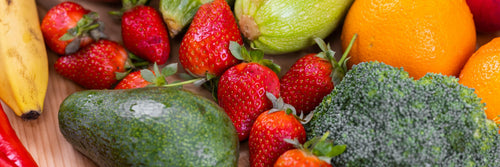
Although D-mannose is found naturally in a variety of fruits, vegetables, and other foods, few foods provide clinically significant amounts from a standard serving [1][2].
Food Sources of D-Mannose
| Food | Serving | Approximate D-Mannose | Notes |
|---|---|---|---|
| Baker's yeast | 2/3 tablespoon | ~1,000 mg | Among the highest food sources |
| Chinese jujube (dried) | 7 grams | ~1,000 mg | Traditional Chinese medicinal food |
| Lychee (dried) | 25 grams | ~1,000 mg | Concentrated in dried fruit |
| Cranberries | Variable | Low-moderate | Often cited but actual mannose content is relatively small |
| Apples | 1 medium (~200g) | 80-160 mg | 0.04-0.08% of weight is D-mannose |
| Oranges | 1 medium | Low | Present but not well quantified |
| Peaches | 1 medium | Low | Present but not well quantified |
| Blueberries | 1 cup | Low | Present but not well quantified |
| Green beans | 1 cup | Low | One of the higher vegetable sources |
| Cabbage | 1 cup | Low | Present in small amounts |
| Turnips | 1 cup | Low | Present in small amounts |
| Kelp/seaweed | Variable | Low-moderate | Some species contain mannose-containing polysaccharides |
Source: Hu et al., Compr Rev Food Sci Food Saf, 2016 [2].
Practical Notes on Dietary D-Mannose
The concentrations of D-mannose in common foods are generally too low to achieve the doses used in clinical trials through diet alone [1][2]:
- Apples have one of the highest D-mannose concentrations among common fruits, but the content is only 0.04-0.08% of their weight. To obtain 1,000 mg of D-mannose from apples, you would need to eat approximately 10-20 medium-sized apples [1].
- Cranberries are often associated with urinary tract health, but their D-mannose content is relatively low. The UTI-related benefits attributed to cranberries are primarily linked to proanthocyanidins (PACs), not D-mannose [5].
- Baker's yeast and dried Chinese jujube are the most concentrated food sources, capable of providing approximately 1,000 mg per small serving [1].
- Dried lychee can also provide meaningful amounts, with roughly 1,000 mg per 25 grams of dried fruit [1].
For individuals specifically seeking D-mannose for urinary tract support, supplementation is the only practical way to achieve the doses used in clinical trials (1,500-2,000 mg/day), as dietary intake from normal food consumption provides only a fraction of these amounts [1][2].
The body also synthesizes D-mannose endogenously from glucose through the action of phosphomannose isomerase and other enzymes in the mannose metabolic pathway [2][4]. This endogenous production is sufficient for normal glycoprotein synthesis and immune function, meaning D-mannose is not a dietary essential under normal physiological conditions.
Looking for Evidence-Based Supplement Guidance?
D-mannose is just one option for urinary health. Get a personalized plan that identifies the supplements backed by the strongest evidence for your needs.
Get Your Personalized Health PlanReferences
1. ConsumerLab. "D-Mannose Supplements Review." Accessed 2026. https://www.consumerlab.com/reviews/d-mannose-supplements/dmannose/
2. Hu X, Shi Y, Zhang P, et al. "D-Mannose: Properties, Production, and Applications: An Overview." Compr Rev Food Sci Food Saf. 2016;15(4):773-785. https://doi.org/10.1111/1541-4337.12211
3. Sharma V, Ichikawa M, Bhagavan NV, Freeze HH. "Mannose metabolism: more than meets the eye." Biochem Biophys Res Commun. 2014;453(2):220-228. https://doi.org/10.1016/j.bbrc.2014.06.021
4. Brasil S, Pascoal C, Francisco R, et al. "CDG Therapies: From Bench to Bedside." Int J Mol Sci. 2018;19(5):1304. https://doi.org/10.3390/ijms19051304
5. Anger J, Lee U, Ackerman AL, et al. "Recurrent Uncomplicated Urinary Tract Infections in Women: AUA/CUA/SUFU Guideline." J Urol. 2019;202(2):282-289. https://doi.org/10.1097/JU.0000000000000296
6. Foxman B. "Urinary tract infection syndromes: occurrence, recurrence, bacteriology, risk factors, and disease burden." Infect Dis Clin North Am. 2014;28(1):1-13. https://doi.org/10.1016/j.idc.2013.09.003
7. Mydock-McGrane LK, Hannan TJ, Janetka JW. "Rational design strategies for FimH antagonists." Expert Opin Drug Discov. 2017;12(7):711-731. https://doi.org/10.1080/17460441.2017.1331216
8. Hayward G, Mort S, Hay AD, et al. "D-mannose for prevention of recurrent urinary tract infection among women: a randomized clinical trial." JAMA Intern Med. 2024;184(6):619-628. https://doi.org/10.1001/jamainternmed.2024.0335
9. Salvatore S, Cattoni E, Bartoletti R, et al. "Efficacy and tolerability of a combination containing D-mannose in the management of acute uncomplicated urinary tract infections." Eur Urol Focus. 2023;9(6):1073-1080. https://doi.org/10.1016/j.euf.2023.05.022
10. Porru D, Parmigiani A, Tinelli C, et al. "Oral D-mannose in recurrent urinary tract infections in women: a pilot study." J Clin Urol. 2014;7(3):208-213. https://doi.org/10.1177/2051415813518332
11. Kranjcec B, Papes D, Altarac S. "D-mannose powder for prophylaxis of recurrent urinary tract infections in women: a randomized clinical trial." World J Urol. 2014;32(1):79-84. https://doi.org/10.1007/s00345-013-1091-6
12. Domenici L, Monti M, Bracchitta S, et al. "D-mannose: a promising support for acute urinary tract infections in women. A pilot study." Eur Rev Med Pharmacol Sci. 2016;20(13):2920-2925. https://pubmed.ncbi.nlm.nih.gov/27424995/
13. Lenger SM, Bradley MS, Thomas DA, et al. "D-mannose vs other agents for recurrent urinary tract infection prevention in adult women: a systematic review and meta-analysis." Am J Obstet Gynecol. 2020;223(2):265.e1-265.e13. https://doi.org/10.1016/j.ajog.2020.05.048
14. Plante J, Bhatt S. "Serum sickness-like reaction associated with D-mannose-containing supplement use in an adolescent." BMC Pediatr. 2024;24:62. https://doi.org/10.1186/s12887-024-04551-8
15. Ferrannini E, Natali A, Brandi LS, et al. "Mannose is an insulin-secretagogue and does not affect insulin resistance in man." Metabolism. 2020;112:154342. https://doi.org/10.1016/j.metabol.2020.154342