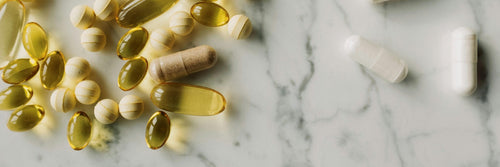


Coenzyme Q10 (CoQ10), also known as ubiquinone, is a naturally occurring antioxidant essential for cellular energy production (ATP synthesis) in mitochondria. It is concentrated in the heart, liver, kidneys, and pancreas. After absorption, more than 90% of CoQ10 is converted to its active antioxidant form, ubiquinol [1].
Blood levels of CoQ10 peak around age 60 and then decline, though they do not fall below young-adult levels. However, tissue levels in the brain, heart, and pancreas decrease with age, and the body's efficiency at converting CoQ10 to ubiquinol declines after 60 — resulting in increased oxidative stress [2][3]. Statin medications may further reduce CoQ10 production. The strongest clinical evidence supports CoQ10 for congestive heart failure (as adjunct therapy), with emerging evidence for migraine prevention and modest metabolic effects.
Table of Contents
- Overview
- Forms and Bioavailability
- Evidence for Benefits
- Recommended Dosing
- Safety and Side Effects
- Drug Interactions
- Dietary Sources
- References
Overview
CoQ10 is manufactured endogenously in the heart, liver, kidneys, and pancreas. The body normally produces sufficient quantities, although certain medications (particularly statins) may interfere with production and tissue levels decline with age [1]. Only small amounts of CoQ10 are available from food (approximately 3–5 mg/day from diet), making supplements the primary means of increasing CoQ10 levels.
After age 60, the body converts less CoQ10 to ubiquinol, resulting in a decreased ubiquinol-to-CoQ10 ratio that indicates higher oxidative stress [2][3]. This age-related change may be relevant when selecting supplement forms.
Should CoQ10 Be Part of Your Health Strategy?
Whether you take statins or want to support heart health, a personalized plan can help you determine if CoQ10 supplementation fits your needs.
Get Your Personalized Health PlanForms and Bioavailability
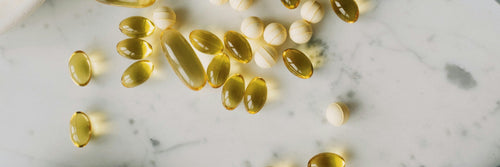
CoQ10 (ubiquinone): The oxidized form that the body converts to ubiquinol after absorption. Natural (fermentation-derived) CoQ10 is 100% trans-isomer. Available as softgels, capsules, and powders [1].
Ubiquinol: The reduced, active antioxidant form. May be preferable for adults over 60 whose conversion efficiency declines. Both forms effectively raise blood CoQ10 levels [2][3].
Absorption: CoQ10 has low oral bioavailability (~2% without enhancement). Oil-based softgels and phytosomal formulations improve absorption. Doses above 100 mg should be split into 2–3 servings taken with fatty meals [4].
Evidence for Benefits
Congestive Heart Failure
A meta-analysis of 13 clinical trials found that CoQ10 (usually 100 mg/day) improved cardiac ejection fraction by approximately 3.7% versus placebo in mild-to-moderate heart failure [5]. The Q-SYMBIO trial — the largest and longest study — found that 100 mg three times daily for 2 years reduced adverse cardiovascular events (hospitalization, worsening heart failure, or death) by nearly 50% and significantly improved quality of life. Benefits were not apparent at 3 months, indicating long-term supplementation is necessary [6].
For diastolic heart failure, 600 mg/day ubiquinol for 12 weeks improved ejection fraction by 7.08% and reduced BNP (a heart failure marker), though 300 mg/day showed no benefit [7][8].
Statin-Associated Muscle Pain
Evidence is inconsistent. A meta-analysis of 7 trials reported reduced statin-associated muscle pain with CoQ10, but the finding disappeared when studies that included participants without confirmed myalgia were excluded [10]. ACC/AHA guidelines state that available evidence does not support CoQ10 for statin-associated muscle symptoms [11].
However, 100 mg/day CoQ10 combined with halving the statin dose reduced muscle pain in 46.6% of statin-intolerant patients versus 6.6% on placebo [12]. A CoQ10 phytosome (60 mg CoQ10) improved handgrip strength and reduced fatigue in statin-associated weakness [13].
Blood Sugar and Insulin Sensitivity
A review of 40 RCTs concluded that 100–200 mg/day CoQ10 modestly decreases HbA1c (by ~0.12%), fasting blood sugar (by ~5.2 mg/dL), and insulin levels (by ~1.3 µIU/mL). Higher doses (300+ mg/day) did not provide additional benefit and may worsen some measures [14]. In prediabetic adults, 100 mg/day ubiquinol for 12 weeks reduced insulin resistance (HOMA-IR) by 0.57 versus placebo [15].
Cholesterol and Lipids
In people with high cholesterol not on statins, 120 mg/day CoQ10 for 5.5 months decreased LDL cholesterol by 6.5% and triglycerides by nearly 20% versus placebo [16]. CoQ10 does not further lower cholesterol in people already taking statins [17].
Migraine Prevention
In 42 adults with migraine, 300 mg/day CoQ10 for 3 months reduced attack frequency by approximately one migraine per month versus placebo, with benefits noticeable after the first month [18]. A separate study found 400 mg/day ubiquinol reduced frequency by 6 episodes/month versus 3 with placebo, and decreased episode duration and severity [19].
Skin and Wrinkles
A preliminary study in 33 women found 150 mg/day water-soluble CoQ10 for 3 months significantly reduced visible wrinkles around the eyes, nose, and lips versus placebo, but did not improve skin hydration or UV protection. A 50 mg dose had limited effects [20].
Recommended Dosing
| Indication | Dose | Notes |
|---|---|---|
| Heart failure (adjunct) | 100–300 mg/day in 2–3 doses | Benefits may take months. Taper gradually — do not stop abruptly |
| Migraine prevention | 300–400 mg/day in divided doses | Allow 1–3 months for benefit |
| Statin side effects | 100–200 mg/day | Evidence is mixed; discuss with physician |
| Blood sugar/insulin | 100–200 mg/day | Doses above 300 mg may be counterproductive |
| General supplementation | 100–200 mg/day | Take with fatty meals for absorption |
Adults over 60 may benefit from ubiquinol rather than ubiquinone due to declining conversion efficiency [2][3]. Evening doses of 100+ mg may cause insomnia — consider morning or midday dosing [21].
Safety and Side Effects
CoQ10 is generally safe even at high doses. Doses up to 1,200 mg/day were used safely in a 16-month placebo-controlled study [22]. Side effects occur in approximately 1% of users [1][22]:
- Gastrointestinal: nausea, heartburn, diarrhea, loss of appetite
- Insomnia (particularly at doses above 100 mg or when taken in the evening)
- Headache, fatigue, irritability, skin rash (rare)
At 300 mg/day, sleep problems may worsen — in one study, 83% of participants reported sleep issues versus 64% on 100 mg [21]. CoQ10 may lower blood sugar; use with caution in diabetes or hypoglycemia [14].
There is mixed evidence regarding CoQ10 during cancer chemotherapy. One study suggested increased recurrence risk with antioxidant supplements during breast cancer treatment [24], while others found CoQ10 may protect against anthracycline-induced cardiac damage [25]. Consult an oncologist before use during cancer treatment.
Drug Interactions
- Warfarin: CoQ10 is structurally similar to vitamin K2 and may reduce warfarin's anticoagulant effect. Monitor INR [26][27]
- Statins, beta-blockers, antidepressants, antipsychotics: May reduce natural CoQ10 production, potentially necessitating higher supplement doses [1]
- Insulin and diabetes medications: CoQ10 may additively lower blood sugar [14]
- Chemotherapy (anthracyclines): CoQ10 may alter effectiveness — consult oncologist [24][25]
Dietary Sources
Only small amounts of CoQ10 are available from food (approximately 3–5 mg/day from typical diet). Sources include:
- Organ meats (heart, liver, kidney) — richest sources
- Beef and pork — moderate amounts
- Fatty fish (sardines, mackerel, trout)
- Soybeans, peanuts — small amounts
- Broccoli, cauliflower, spinach — trace amounts
Dietary intake is far below therapeutic doses used in clinical studies (100–600 mg/day), making supplementation the primary means of achieving clinically relevant blood levels [1].
Should CoQ10 Be Part of Your Health Strategy?
Whether you take statins or want to support heart health, a personalized plan can help you determine if CoQ10 supplementation fits your needs.
Get Your Personalized Health PlanReferences
1. ConsumerLab. CoQ10 and Ubiquinol Supplements Review. https://www.consumerlab.com/reviews/coq10-ubiquinol-supplements-review/coq10/
2. Niklowitz P et al. Coenzyme Q10 concentration in the plasma of children. J Clin Biochem Nutr, 2016.
3. Claessens AJ et al. Coenzyme Q10 levels and status of redox in older adults. Ann Clin Biochem, 2016.
4. Mantle D et al. Coenzyme Q10 supplementation: efficacy and safety. Antioxidants (Basel), 2020.
5. Fotino AD et al. Effect of coenzyme Q10 supplementation on heart failure. Am J Clin Nutr, 2013;97(2):268-75. https://doi.org/10.3945/ajcn.112.040741
6. Mortensen SA et al. The effect of coenzyme Q10 on morbidity and mortality in chronic heart failure (Q-SYMBIO). JACC Heart Failure, 2014;2(6):641-9. https://doi.org/10.1016/j.jchf.2014.06.008
7. Pierce JD et al. Ubiquinol and/or D-ribose for diastolic heart failure. Am J Cardiol, 2022.
8. Samuel TJ et al. Ubiquinol for diastolic heart failure. Drugs R D, 2021.
9. Orlando P et al. Ubiquinol supplementation and aortic valve replacement. Aging, 2020.
10. Kovacic M et al. CoQ10 for statin-associated muscle pain: meta-analysis. J Nutr Sci, 2025.
11. Grundy SM et al. AHA/ACC cholesterol clinical practice guideline. Circulation, 2019.
12. Derosa G et al. CoQ10 in statin-intolerant patients. Drug Des Devel Ther, 2019.
13. Fogacci F et al. CoQ10 phytosome for statin-associated asthenia. J Clin Med, 2024.
14. Liang Y et al. CoQ10 supplementation and glycemic control. eClinicalMedicine, 2022. https://doi.org/10.1016/j.eclinm.2022.101602
15. Palakornkitti P et al. Ubiquinol in prediabetes. Clin Nutr Open Sci, 2026.
16. Zhang P et al. Effect of CoQ10 on lipids and glycemic indices. J Clin Lipidol, 2017.
17. Hansen G et al. Ubiquinol plus simvastatin. Cytokine, 2018.
18. Sandor PS et al. Efficacy of coenzyme Q10 in migraine prophylaxis. Neurology, 2005;64(4):713-5. https://doi.org/10.1212/01.WNL.0000151975.03598.ED
19. Nattagh-Eshtivania E et al. Ubiquinol for migraine. Eur J Integr Med, 2018.
20. Zmitek J et al. Water-soluble CoQ10 for skin wrinkles. Biofactors, 2016.
21. Golomb BA et al. CoQ10 for Gulf War illness. Neural Computation, 2014.
22. Shults CW et al. Effects of coenzyme Q10 in early Parkinson disease. Arch Neurol, 2002;59(10):1541-50.
23. Kusano R et al. Insulin autoimmune syndrome associated with CoQ10. J Rural Med, 2019.
24. Ambrosone CB et al. Antioxidant supplements during breast cancer treatment. J Clin Oncol, 2020.
25. Iarussi D et al. CoQ10 in anthracycline cardiotoxicity. Mol Aspects Med, 1994.
26. Spigset O. Reduced effect of warfarin caused by ubidecarenone. Lancet, 1994.
27. Shalansky S et al. Risk of warfarin-related bleeding with CoQ10. Pharmacotherapy, 2007.
28. Mancini A et al. CoQ10 and thyroid. Int J Mol Sci, 2013.