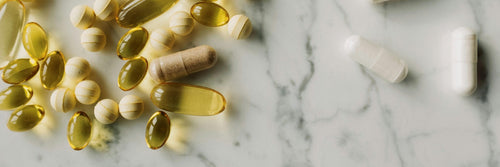


Black seed oil is extracted from the seeds of Nigella sativa, an annual flowering herb in the buttercup family cultivated for medicinal purposes for over 2,000 years. The oil contains approximately 50-60% linoleic acid (omega-6), 20-24% oleic acid (omega-9), and the bioactive compound thymoquinone (0.5-2% of total oil content). Limited clinical evidence from small to medium-sized trials suggests modest benefits for blood sugar, cholesterol, blood pressure, weight loss, asthma, osteoarthritis, and Hashimoto's thyroiditis, though more research is needed to confirm these findings.
Table of Contents
- Overview
- Forms and Bioavailability
- Evidence for Benefits
- Recommended Dosing
- Safety and Side Effects
- Drug Interactions
- Dietary Sources
- References
Overview
Black seed oil is extracted from the seeds of Nigella sativa, an annual flowering herb in the Ranunculaceae (buttercup) family native to Southwest Asia, North Africa, and the Mediterranean region [1][2]. The plant has been cultivated for medicinal purposes for over 2,000 years, with archaeological evidence tracing its use to ancient Egyptian, Greek, and Middle Eastern civilizations [3][4]. Black seeds were found in the tomb of Pharaoh Tutankhamun, and Greek physicians including Hippocrates and Dioscorides documented their therapeutic applications [4]. In Islamic tradition, black seed has been described as a remedy for "everything except death," and it has been a staple of Ayurvedic and Unani medical systems for respiratory, digestive, and inflammatory conditions [1][5].
It is important to distinguish black seed (Nigella sativa) from other similarly named botanicals. Despite being called "black cumin" or "black caraway," it is not botanically related to cumin (Cuminum cyminum) or caraway (Carum carvi) [6]. It should also not be confused with black currant seed (Ribes nigrum), an entirely different plant that is a source of gamma-linolenic acid (GLA) [6].
Black seed oil is approximately 50-60% linoleic acid (an omega-6 polyunsaturated fatty acid), 20-24% oleic acid (an omega-9 monounsaturated fatty acid, also found in olive oil), and 10-15% palmitic acid, with smaller amounts of stearic acid and other fatty acids [7][8]. The oil also contains alkaloids, phenols, monoterpenes, essential oils (0.5-2.5%), and trace amounts of vitamins (E, B1) and minerals (iron, copper) [2][9][10].
The most pharmacologically significant compound in black seed oil is thymoquinone, which typically constitutes 0.5-2% of total oil content in non-concentrated preparations [11][12]. In laboratory studies, thymoquinone has demonstrated antioxidant, anti-inflammatory, immune-modulating, antimicrobial, and antitumor properties [13]. However, the degree to which these in vitro effects translate to clinical benefits in humans remains an active area of investigation. Other bioactive volatile compounds include nigellone and p-cymene [11][12].
Want a Comprehensive Metabolic Health Plan?
Black seed oil shows modest metabolic benefits, but optimizing blood sugar and cholesterol requires a personalized approach. Get evidence-based recommendations tailored to your health profile.
Get Your Personalized Health PlanThe strong, bitter, pungent flavor of black seed oil — often likened to oregano or described as chemical-like — is a notable characteristic that some consumers find objectionable [6]. This has led manufacturers to develop milder-tasting varieties, and many users mix the oil with honey or other foods to improve palatability [6]. Due to its low smoke point (approximately 107°C / 225°F), black seed oil is not suitable for high-heat cooking and is instead used as a finishing drizzle or taken as a supplement in liquid or capsule form [14][15].
Black seed oil is sold commercially in several forms: bottled liquid oil, softgel capsules, ground seed powder in capsules, and concentrated extracts. The global market for black seed oil was valued at approximately USD 21-33 million as of 2023, with projections indicating growth to USD 40-53 million by 2030 [16]. Key producing regions include Turkey, India, Egypt, and Pakistan [17]. Quality concerns revolve primarily around adulteration with cheaper oils such as soybean, palm, or corn oil [18][19]. Cold-pressing extraction at temperatures below 40°C is the preferred method for preserving thymoquinone content and overall nutritional integrity [20][21].
Limited evidence from small to medium-sized clinical trials — conducted primarily in parts of Asia and the Middle East and lasting one to five months — suggests that black seed oil or powder may modestly lower blood sugar, blood pressure, cholesterol, and body weight, and may improve symptoms of asthma, osteoarthritis, and Hashimoto's thyroiditis [6]. However, the evidence base is characterized by small sample sizes, lack of standardization in oil preparation, inconsistent dosing, and limited geographic diversity [22]. More and larger trials are needed to confirm these findings and establish optimal dosing.
Forms and Bioavailability
Black seed supplements are available in several distinct forms, each with different compositions and potentially different clinical effects. The form used matters: some studies have found that oil and powder have different efficacy profiles for specific conditions [6].
Black Seed Oil (Liquid)
Cold-pressed black seed oil is the most common form. It retains the full fatty acid profile (approximately 50-60% linoleic acid, 20-24% oleic acid) plus thymoquinone and other bioactive compounds [7][8]. Typical thymoquinone content in non-concentrated oil is approximately 0.5% (about 5 mg per gram of oil, or roughly 25 mg per teaspoon) [6][23]. Cold-pressed oils generally retain higher levels of antioxidants and volatile bioactives compared to solvent-extracted varieties [21].
The oil has a strong, pungent taste that limits compliance for some users. It is typically taken by the teaspoon (approximately 5 mL) or added to food. Shelf life is 1-2 years when stored in dark glass bottles away from light and heat, with refrigeration recommended to prevent oxidation [24][25].
Black Seed Oil Capsules (Softgels)
Softgel capsules contain the same oil as liquid preparations but in pre-measured doses, eliminating taste concerns. Typical capsule sizes range from 500 mg to 1,000 mg of oil. This is the most commonly used form in clinical trials for metabolic conditions (blood sugar, cholesterol, weight) [6].
Black Seed Powder (Ground Seeds)
Ground black seed powder contains the whole seed material, including fiber, protein, and the full spectrum of phytochemicals. Powder preparations have different clinical effects from oil for some conditions. Notably, meta-analyses have found that black seed powder (500-2,000 mg/day) modestly reduces blood pressure, while oil does not have a significant blood pressure-lowering effect [26]. Conversely, oil appears more effective than powder for weight loss [27][28]. Powder is typically encapsulated and taken at doses of 1,000-2,000 mg per day.
Black Seed Extract
Concentrated extracts are standardized to higher thymoquinone content. Some extracts claim up to 20% thymoquinone, compared to approximately 0.5% in non-concentrated oil [6][23]. The United States Pharmacopeia (USP) has a monograph for "Black Cumin Seed Thymoquinone Oil" specifying no less than 3% thymoquinone, but this applies to concentrated oil and does not represent all product types [23]. Highly concentrated thymoquinone extracts will have very low concentrations of the omega-6 and omega-9 fatty acids found in whole oil [23].
Topical Black Seed Oil
Black seed oil can be applied topically for skin conditions. One clinical study used a 0.1% black seed extract hydrogel standardized to 1.29 mcg thymoquinone per mL [29]. Topical application has not shown significant systemic absorption, and oral supplementation appears necessary for metabolic effects [30]. Two cases of contact dermatitis have been reported with topical use [31].
Bioavailability Considerations
The bioavailability of thymoquinone from standard black seed oil is limited, with one study estimating bioaccessibility at approximately 21.7% [32]. Nanoencapsulation technologies have been shown to increase thymoquinone bioaccessibility to 33.1% in fortified food applications, suggesting this may become a relevant commercial consideration in the future [32].
Thymoquinone concentration varies widely across commercial products. This has been documented in international analyses of black seed oil sold in different parts of the world [23][33]. Labels often do not disclose thymoquinone content, making it difficult for consumers to compare products [23].
Comparison Table
| Form | Typical Daily Dose | Thymoquinone Content | Fatty Acid Content | Key Advantages | Key Disadvantages |
|---|---|---|---|---|---|
| Liquid oil (cold-pressed) | 1-5 mL (~1,000-5,000 mg) | ~0.5% (5 mg/g) | Full profile (50-60% LA, 20% OA) | Full-spectrum; most studied for cholesterol and weight | Strong taste; requires refrigeration |
| Oil capsules (softgels) | 1,000-3,000 mg | ~0.5% | Full profile | No taste issues; convenient; most studied for blood sugar | May need multiple capsules for higher doses |
| Ground seed powder | 1,000-2,000 mg | Variable | Minimal (bound in seed matrix) | Best evidence for blood pressure; contains fiber | Less effective for weight loss |
| Concentrated extract | 100-200 mg | 3-20% | Low (concentrated extraction) | Higher thymoquinone per dose | Less studied; fewer fatty acids; expensive |
| Topical (hydrogel/oil) | Applied 2-3x daily | Variable | Full profile in oil | Direct skin application for acne | No systemic effects; contact dermatitis risk |
Evidence for Benefits
The clinical evidence for black seed oil comes predominantly from small to medium-sized trials conducted in parts of Asia and the Middle East. While results are promising for several conditions, the overall quality of evidence is limited by small sample sizes, short durations (typically 1-5 months), lack of standardization in preparations, and geographic concentration of study populations [6][22]. The following sections detail the available evidence by condition.
Blood Sugar and Diabetes
Black seed supplementation has been most extensively studied for glycemic control in type 2 diabetes and prediabetes.
Meta-analysis of type 2 diabetes trials: An analysis of seven controlled trials in subjects with type 2 diabetes found that 1 to 5 mL of black seed oil (approximately 1,000-5,000 mg) or 500 to 2,000 mg of black seed powder per day modestly reduced fasting blood sugar and hemoglobin A1C (Daryabeygi-Khotbehsara et al., Complement Ther Med, 2017) [34]. The effect sizes were modest but statistically significant.
Prediabetes comparison with metformin: A study in Egypt among 105 obese individuals with prediabetes found that taking 450 mg of black seed oil twice daily (900 mg total) for six months modestly reduced fasting blood sugar from approximately 110 mg/dL at baseline to 107 mg/dL. This reduction was similar to that achieved by a low dose of metformin (500 mg twice daily). However, the metformin dose used was low, and it is unclear whether black seed oil would match higher therapeutic doses. Importantly, black seed oil supplementation did not significantly affect post-meal blood sugar levels, HbA1c, or beta cell function (Mostafa et al., J Diabetes Complications, 2021) [35].
A broader meta-analysis of studies examining cardiometabolic indices confirmed significant reductions in fasting blood glucose and HbA1c with black seed supplementation, with effects attributed to enhanced insulin sensitivity and antioxidant activity [36]. The typical effective dose range was equivalent to 1-3 grams of seeds daily.
Summary: Black seed oil or powder may modestly reduce fasting blood sugar and HbA1c in people with type 2 diabetes or prediabetes. Effect sizes are small, and black seed should not be considered a replacement for established diabetes medications at standard therapeutic doses.
Cholesterol and Lipids
Meta-analysis of 17 trials: A review of 17 randomized controlled trials lasting one to five months, including people with and without elevated cholesterol, found that daily black seed supplementation reduced total cholesterol by approximately 15 mg/dL, LDL cholesterol by approximately 15 mg/dL, and triglycerides by approximately 20 mg/dL. The effect was primarily driven by studies using black seed oil at doses of 1,000-3,000 mg per day (Sahebkar et al., Pharmacol Res, 2016) [37].
Hashimoto's disease subgroup: A study of people with Hashimoto's thyroiditis found that powdered black seed (2,000 mg/day for 8 weeks) did not significantly improve most cholesterol measures compared to placebo, although HDL cholesterol modestly increased by 2.2 mg/dL versus a 1.13 mg/dL decrease in the placebo group (Farhangi et al., Lipids Health Dis, 2018) [38]. This suggests that the lipid-lowering effects may vary by population and form.
Summary: Black seed oil at 1,000-3,000 mg/day may modestly reduce total cholesterol, LDL, and triglycerides over 1-5 months. The effect sizes are clinically modest compared to statin therapy but may be meaningful as part of a comprehensive lifestyle approach.
Blood Pressure
Meta-analysis of 11 trials: A review of 11 randomized controlled trials in individuals with and without hypertension found that black seed powder (500-2,000 mg/day) only slightly lowered systolic blood pressure (by approximately 3.6 mmHg) and diastolic blood pressure (by approximately 2.3 mmHg) compared to controls. Importantly, black seed oils did not demonstrate a significant blood pressure-lowering effect (Sahebkar et al., J Hypertens, 2016) [26].
The differential finding between powder and oil for blood pressure is notable. Powder may contain additional bioactive compounds (fiber, protein, other phytochemicals) that contribute to blood pressure reduction but are absent or diminished in the extracted oil [26].
Summary: Black seed powder may modestly reduce blood pressure (approximately 3-4/2 mmHg systolic/diastolic), but oil does not appear to have a significant effect. The powder-specific effect may be relevant for people with mild hypertension as an adjunct to lifestyle measures, but the reduction is small.
Weight Loss
Meta-analyses of 13 trials: Two analyses of controlled clinical trials found that black seed oil at 3,000-5,000 mg daily for four to six weeks decreased body weight by an average of approximately 5 pounds. However, black seed powder in capsules (1,000-2,000 mg/day) did not significantly affect body weight (Namazi et al., J Ethnopharmacol, 2018; Mousavi et al., Complement Ther Med, 2018) [27][28].
The weight loss evidence favors oil over powder, which is the opposite pattern from blood pressure. This suggests that the fatty acid components or lipid-soluble bioactives in the oil may contribute to the weight loss mechanism, while water-soluble or fiber-bound compounds in the powder are more relevant for blood pressure.
Summary: Black seed oil at 3,000-5,000 mg/day may produce modest weight loss (approximately 2-3 kg over 4-6 weeks). Powder does not appear effective for this indication. The weight loss is modest and should be considered as a potential adjunct to diet and exercise, not a primary weight loss strategy.
Asthma
Two placebo-controlled trials suggest that black seed may improve asthma control, though the form and dose differed between studies.
Black seed oil trial: A study found that 500 mg of black seed oil taken twice daily (1,000 mg total) improved asthma control compared to placebo (Salem et al., Ann Saudi Med, 2017) [41]. Black seed powder trial: A separate study found that 500 mg of black seed powder taken twice daily (1,000 mg total) also improved asthma control (Koshak et al., Phytother Res, 2017) [42].
A meta-analysis of four RCTs found significant improvements in Asthma Control Test (ACT) scores and forced expiratory volume in one second (FEV1), but no effect on peak expiratory flow (PEF). The findings support black seed as a potential complementary treatment alongside standard inhaled therapy, not as a replacement [43][44].
Summary: Both black seed oil and powder at approximately 1,000 mg/day may improve asthma control and lung function measures when used alongside standard asthma medications. The evidence comes from only a few trials, and larger confirmatory studies are needed.
Thyroid (Hashimoto's Disease)
A study in Iran of 40 people (average age 35) with Hashimoto's disease — an autoimmune disorder that prevents the thyroid from producing sufficient hormone — who were on stable levothyroxine therapy examined the effects of powdered black seed supplementation. Taking one 1,000 mg capsule of powdered black seed twice daily (before lunch and dinner) for 8 weeks modestly reduced blood levels of antibodies against thyroid peroxidase (anti-TPO) and thyroid stimulating hormone (TSH) compared to baseline. These improvements were statistically significant compared to a placebo group receiving starch, which showed no significant changes (Tajmiri et al., Eur J Int Med, 2016) [45].
Two of the 23 participants in the black seed group experienced nausea and one experienced itching, leading to their exclusion from the study [45]. Additional data from this trial showed that cholesterol measures did not improve significantly, although HDL modestly increased (Farhangi et al., Lipids Health Dis, 2018) [38]. It is unclear whether black seed oil would produce similar thyroid benefits — the study used powdered seeds, not oil [6].
Summary: Powdered black seed (2,000 mg/day for 8 weeks) may modestly reduce thyroid autoantibodies and TSH in people with Hashimoto's disease on levothyroxine. This is a single small study (n=40) and should be interpreted cautiously pending replication.
Inflammation and Oxidative Stress
A systematic review and meta-analysis of controlled clinical trials found that Nigella sativa supplementation significantly reduces inflammatory markers including C-reactive protein (CRP) and interleukin-6 (IL-6), while also lowering oxidative stress indicators such as malondialdehyde [46]. A separate meta-analysis highlighted thymoquinone's role in modulating both pro-inflammatory and anti-inflammatory cytokines [47].
Osteoarthritis evidence: A study in Iran among 41 people (average age 54) with mild to moderate knee osteoarthritis found that taking 2.5 mL of black seed oil twice daily (5 mL total) for 6 weeks slightly reduced high-sensitivity C-reactive protein (hs-CRP). The reduction was statistically significant compared to placebo, though the absolute difference was modest: hs-CRP decreased from 4.30 to 3.30 mg/dL with black seed oil versus 4.13 to 3.92 mg/dL with placebo. Participants taking black seed oil showed greater improvements in self-reported pain (9.1-point improvement on a 0-100 scale), physical health (79.4-point improvement on a 0-400 scale), and mental health (43.1-point improvement on a 0-400 scale) compared to placebo. Topical application of black seed oil to the knee three times daily did not significantly reduce hs-CRP or improve pain (Afshar et al., Food Sci Nutr, 2023) [30].
Summary: Black seed oil appears to reduce systemic inflammatory markers (CRP, IL-6) and oxidative stress markers. The anti-inflammatory effects may contribute to modest pain relief in osteoarthritis when taken orally, but topical application does not appear effective for joint inflammation.
Gastric Ulcers and H. pylori
Black seed (1-3 grams) or black seed oil (5 mL) given daily for four to eight weeks has shown some potential benefit for eradicating Helicobacter pylori in people with functional dyspepsia [48][49][50]. However, these relatively small studies — conducted primarily in Iran and Saudi Arabia — either lacked placebo controls or did not test black seed in isolation, making it impossible to determine the independent contribution of black seed to H. pylori eradication [6]. There do not appear to be any studies evaluating black seed for preventing or treating gastric ulcers directly [6].
Acne Vulgaris
A study in Iran among 60 teens and young adults (average age 24) with acne vulgaris evaluated a topical hydrogel containing 0.1% black seed extract applied twice daily for 60 days. The hydrogel was standardized to 1.29 mcg thymoquinone per mL. Results showed substantial reductions compared to placebo (Soleymani et al., Phytother Res, 2020) [29]:
- Comedones: 83.2% reduction vs. 23.4% with placebo
- Papules: 79.4% reduction vs. 11.28% with placebo
- Pustules: 73.1% reduction vs. 6.22% with placebo
- Overall acne severity: 78% reduction vs. 3.3% with placebo
A systematic review and meta-analysis of RCTs found that Nigella sativa products demonstrated efficacy in treating various skin diseases including atopic dermatitis and acne vulgaris [51]. Preclinical studies on thymoquinone indicate it may accelerate wound healing through anti-inflammatory and antioxidant mechanisms [52].
Skin Conditions (Beyond Acne)
Beyond acne, black seed oil is promoted for various dermatological applications including atopic dermatitis, wound healing, and skin moisturizing [51][52]. The oil's high linoleic acid content (approximately 58%) and oleic acid content (approximately 24%) provide moisturizing properties that may help restore the skin barrier and improve hydration [8]. A systematic review found evidence supporting topical Nigella sativa for atopic dermatitis [51]. Two cases of contact dermatitis have been reported with topical use (Ali et al., Phytother Res, 2003) [31].
COVID-19
Black seed has been promoted for treatment or prevention of COVID-19. The evidence remains preliminary. A US study found that 1,500 mg twice daily of enteric-coated black seed oil (standardized to 1.7% thymoquinone) in non-hospitalized COVID-19 patients did not reach statistical significance compared to placebo (Bencheqroun et al., Pathogens, 2022) [53]. A study in Pakistan among 313 people with moderate or severe COVID-19 found faster symptom resolution with black seed plus honey, but the combination design prevents isolating black seed's effect (Ashraf et al., medRxiv, 2020) [54]. An unblinded study in Iraq (n=419) found lower rates of severe disease with black seed, but the absence of placebo control and blinding makes the findings unreliable (Al-Haidari et al., 2021) [55].
Summary: The evidence for black seed oil in COVID-19 is insufficient to support clinical recommendations.
Hair Loss
Black seed oil is sometimes promoted to slow hair loss or increase hair thickness. However, there is little clinical evidence to support this use [6]. No well-designed RCTs have evaluated black seed oil specifically for hair loss outcomes.
Cancer (Preclinical Only)
In vitro investigations have demonstrated that thymoquinone inhibits cancer cell proliferation and induces apoptosis in various cell lines [56]. Animal studies support reduced tumor growth [57]. However, no human clinical trials have established efficacy for cancer prevention or treatment. A Phase I safety study at M.D. Anderson Cancer Center is underway (estimated completion 2030) [58].
Recommended Dosing
There is no established optimal dose for black seed oil. Dosing recommendations are derived from clinical trial protocols rather than formal dose-response studies. Effective doses have varied widely depending on form and condition [6].
Dosing by Form
Black seed oil (liquid or capsules):
- General supplementation: 1,000-3,000 mg per day
- Blood sugar management: 900-5,000 mg per day [34][35]
- Cholesterol reduction: 1,000-3,000 mg per day [37]
- Weight loss: 3,000-5,000 mg per day for 4-6+ weeks [27][28]
- Osteoarthritis (oral): 5 mL (~5,000 mg) per day in two doses [30]
Black seed powder (capsules):
- Blood pressure reduction: 500-2,000 mg per day [26]
- Asthma: 1,000 mg per day (500 mg twice daily) [42]
- Hashimoto's thyroiditis: 2,000 mg per day (1,000 mg twice daily) [45]
- Blood sugar management: 500-2,000 mg per day [34]
Black seed extract: 100-200 mg per day. Limited clinical trial data available for this form [6].
Thymoquinone Content
Labels often do not disclose thymoquinone amounts, making cross-product comparisons difficult [23]. As a general guide: non-concentrated oil contains approximately 0.5% thymoquinone (5 mg per gram, roughly 25 mg per teaspoon); concentrated oils contain 1-3%; high-concentration extracts claim up to 20%; and the USP monograph for concentrated oil specifies no less than 3% [23]. It is unclear whether any specific concentration is optimal for clinical benefit [23].
Timing and Administration
Clinical trials have typically administered black seed oil or powder in divided doses (e.g., twice daily, before meals) [35][45]. For liquid oil, mixing with honey or food may improve tolerability given the strong bitter taste [6]. Capsule forms eliminate taste concerns.
Dosing Summary Table
| Condition | Preferred Form | Daily Dose | Duration in Trials | Evidence Level |
|---|---|---|---|---|
| Blood sugar (type 2 diabetes) | Oil or powder | 1,000-3,000 mg oil or 500-2,000 mg powder | 1-6 months | Moderate (meta-analysis of 7 RCTs) |
| Cholesterol | Oil | 1,000-3,000 mg | 1-5 months | Moderate (meta-analysis of 17 RCTs) |
| Blood pressure | Powder | 500-2,000 mg | 1-5 months | Low-moderate (meta-analysis of 11 RCTs; oil not effective) |
| Weight loss | Oil | 3,000-5,000 mg | 4-6 weeks | Moderate (meta-analysis of 13 RCTs; powder not effective) |
| Asthma | Oil or powder | 1,000 mg | 1-3 months | Low (2 small RCTs) |
| Hashimoto's thyroiditis | Powder | 2,000 mg | 8 weeks | Very low (1 small RCT, n=40) |
| Osteoarthritis | Oil (oral) | 5 mL (~5,000 mg) | 6 weeks | Very low (1 small RCT, n=41) |
| Acne (topical) | 0.1% extract hydrogel | Applied 2x daily | 60 days | Low (1 RCT, n=60) |
Safety and Side Effects
Black seed is Generally Recognized as Safe (GRAS) by the U.S. FDA when used as a spice, and it is permitted to be sold as a dietary supplement [59]. In the European Union, it is not classified as a novel food, having a history of consumption prior to 1997 [60]. Published clinical studies have reported few side effects with short-term use (typically 1-5 months) [6].
Common Side Effects
Side effects reported in clinical trials are generally mild and primarily gastrointestinal [6][61]:
- Nausea — the most commonly reported side effect
- Bloating and gastrointestinal upset — particularly at higher doses
- Itching — reported in one participant in the Hashimoto's disease trial [45]
- Taste aversion — the strong, bitter flavor of liquid oil is a barrier for some users
The incidence of these side effects remains low with moderate use of 1-2.5 grams daily [61][62].
Topical Side Effects
When applied to the skin, two cases of contact dermatitis have been reported (Ali et al., Phytother Res, 2003) [31]. Skin irritation including redness has been reported in some sensitive individuals [63]. Patch testing is advisable before widespread topical application.
Serotonin Syndrome Risk
Preliminary evidence suggests that thymoquinone may inhibit monoamine oxidase (MAO), an enzyme that breaks down serotonin (Perveen et al., Sci Pharm, 2014) [64]. One case report described serotonin syndrome in a man who had taken 600 mg of black seed oil for four days before undergoing endoscopic surgery. He was treated with anesthetic and pain medications known to increase serotonin release. Symptoms included increased heart rate, blood pressure, agitation, and seizure-like tremors (Warner et al., A&A Practice, 2019) [65]. It would be prudent to suspend use prior to procedures involving anesthetics or MAO inhibitors [65].
Bleeding Risk (Thrombocytopenia)
Theoretical concerns exist regarding black seed oil and bleeding risk. Severe thrombocytopenia was reported in a woman who started taking black seed oil along with evening primrose oil about one month before surgery (Wang et al., Cureus, 2020) [66]. Animal data show rats fed black seed oil for 12 weeks had 15-35% decreased platelet counts (Zaoui et al., Phytomedicine, 2002) [67]. In vitro data show thymoquinone can cause platelet death (Towhid et al., J Cell Biochem, 2011) [68]. These findings support a precautionary approach, particularly in surgical contexts or with anticoagulant medications.
Pregnancy
Black seed oil is contraindicated during pregnancy. It may slow or stop uterine contractions, potentially leading to complications [39][40]. There is insufficient safety data to support use during pregnancy or lactation.
Long-term Safety
Long-term studies have not been conducted. The longest published trials span approximately 5-6 months [6]. The Phase I trial at M.D. Anderson Cancer Center will provide the first one-year safety data when completed (expected 2030) [58].
Special Populations
- Children: Safety not well-established; limited data [39][40][61]
- Liver or kidney disease: Consult healthcare providers; may affect drug metabolism [61][63]
- Pre-surgical patients: Discontinue at least two weeks before surgery [39][40]
Drug Interactions
Black seed oil may interact with several classes of medications based on its pharmacological effects (glucose-lowering, blood pressure-lowering, potential anticoagulant activity, MAO inhibition) and limited case reports.
Antidiabetic Medications
Black seed oil may enhance the glucose-lowering effects of diabetes medications, potentially causing hypoglycemia. Blood sugar should be monitored closely when used alongside metformin, sulfonylureas, insulin, or other antidiabetic agents [39][40]. The prediabetes study found similar glucose reductions between 900 mg/day black seed oil and 1,000 mg/day metformin [35], suggesting an additive interaction.
Antihypertensive Medications
Black seed (particularly powder form) may enhance the effects of blood pressure-lowering medications such as amlodipine, leading to excessive hypotension. Blood pressure should be monitored regularly [39][40].
Anticoagulant and Antiplatelet Medications
Black seed oil may theoretically have a blood-thinning effect based on animal and in vitro data [67][68]. This could increase bleeding risk when combined with warfarin, heparin, clopidogrel (Plavix), ticlopidine (Ticlid), aspirin, and other anticoagulants. The clinical significance at standard supplemental doses remains unclear, but caution is warranted [6][66].
MAOIs and Serotonergic Drugs
Due to the MAO-inhibiting potential of thymoquinone [64], black seed oil may interact with MAO inhibitor antidepressants (isocarboxazid, phenelzine, tranylcypromine, selegiline), SSRIs/SNRIs, and anesthetic/pain medications that affect serotonin [65]. Suspend use prior to procedures involving anesthesia or in combination with MAOIs.
Immunosuppressants
Given the immune-modulating properties of thymoquinone [13], there is a theoretical concern that black seed oil could interfere with immunosuppressive therapy. No clinical reports confirm this interaction, but caution is advised for transplant recipients or individuals on immunosuppressive regimens.
Drug Interaction Summary Table
| Drug Class | Interaction Type | Risk Level | Recommendation |
|---|---|---|---|
| Antidiabetic drugs (metformin, insulin, sulfonylureas) | Additive glucose-lowering | Moderate | Monitor blood sugar closely |
| Antihypertensive drugs (amlodipine, etc.) | Additive BP-lowering | Moderate | Monitor blood pressure |
| Anticoagulants/antiplatelets (warfarin, clopidogrel, aspirin) | Potential increased bleeding | Moderate (theoretical) | Use with caution; discontinue pre-surgery |
| MAOIs (phenelzine, isocarboxazid) | Serotonin syndrome risk | Moderate-High | Avoid combination |
| SSRIs/SNRIs | Theoretical serotonergic excess | Low-Moderate | Use caution; monitor symptoms |
| Anesthetics (serotonergic agents) | Serotonin syndrome risk | Moderate | Discontinue 2 weeks pre-surgery |
| Immunosuppressants | Theoretical immune modulation | Low (theoretical) | Consult healthcare provider |
Dietary Sources
Black seed (Nigella sativa) is not a nutrient obtained from a diverse array of foods like minerals or vitamins. It is derived exclusively from the seeds of the Nigella sativa plant and consumed as whole seeds, ground powder, extracted oil, or as a spice.
Culinary Use
Black seeds (also called kalonji) are used as a spice in several culinary traditions [14][15]:
- Indian cuisine: Added to curries, dal, and naan bread
- Turkish cuisine: Sprinkled on flatbreads and pastries
- Ethiopian cuisine: Used in the berbere spice blend
- Persian cuisine: Incorporated into yogurt, pickles, sauces, and salads
- Middle Eastern cuisine: Used in various savory dishes and as a garnish
As a culinary spice, black seeds contribute trace amounts of thymoquinone and other bioactive compounds, but the quantities used in cooking are typically far below the doses studied in clinical trials (grams per day rather than pinches of seeds).
Obtaining Therapeutic Doses from Food
It is impractical to obtain therapeutic doses of thymoquinone from culinary use alone. Clinical trials used 1,000-5,000 mg of oil or 500-2,000 mg of powder daily — quantities that require supplementation [6].
Oil in Food Applications
Black seed oil can be used as a finishing oil drizzled over salads, hummus, or other prepared dishes [14][15]. Due to its low smoke point (~107°C / 225°F), it should not be used for frying or high-heat cooking, as heat degrades thymoquinone [14][15]. The oil provides essential fatty acids (linoleic and oleic acid) and integrates well into plant-based diets [69].
Storage
Black seed oil should be stored in dark glass bottles away from light and heat, with refrigeration recommended. Properly stored oil maintains potency for 1-2 years [24][25]. Seeds can be stored for longer periods in cool, dry conditions.
Want a Comprehensive Metabolic Health Plan?
Black seed oil shows modest metabolic benefits, but optimizing blood sugar and cholesterol requires a personalized approach. Get evidence-based recommendations tailored to your health profile.
Get Your Personalized Health PlanReferences
1. Ahmad A, Husain A, Mujeeb M, et al. "A review on therapeutic potential of Nigella sativa: A miracle herb." Asian Pac J Trop Biomed. 2013;3(5):337-352. https://doi.org/10.1016/S2221-1691(13)60075-1
2. Kooti W, et al. "Phytochemistry, pharmacology, and therapeutic uses of black seed (Nigella sativa)." Chin J Nat Med. 2016;14(10):732-745. https://doi.org/10.1016/S1875-5364(16)30088-7
3. Sultan MT, et al. "Nutritional profile of indigenous cultivar of black cumin seeds." Pak J Bot. 2009;41(3):1321-1330.
4. Orhan IE. "Black cumin." ABC Botanical Adulterants Prevention Bulletin. 2022.
5. Ali BH, Blunden G. "Pharmacological and toxicological properties of Nigella sativa." Phytother Res. 2003;17(4):299-305. https://doi.org/10.1002/ptr.1309
6. ConsumerLab. "Black Seed Oil Supplements Review." Accessed 2026. https://www.consumerlab.com/reviews/black-cumin-seed-oil-review/blackseedoil/
7. Amin G, et al. "The fatty acid composition of Nigella sativa." Nat Prod Res. 2010;24(6):544-553.
8. Grokipedia. "Black Cumin Seed Oil — Chemical Components." https://grokipedia.com/page/Black_Cumin_Seed_Oil
9. Wajs A, et al. "Composition of essential oil from seeds of Nigella sativa L." Flavour Fragr J. 2008;23(2):126-132.
10. Ramadan MF. "Nutritional value, functional properties and nutraceutical applications of black cumin." Int J Food Sci Technol. 2007;42(10):1208-1218.
11. Darakhshan S, et al. "Thymoquinone and its therapeutic potentials." Pharmacol Res. 2015;95-96:138-158. https://doi.org/10.1016/j.phrs.2015.03.011
12. Ghosheh OA, et al. "HPLC analysis of pharmacologically active quinones in black seed oil." J Pharm Biomed Anal. 1999;19(5):757-762. https://doi.org/10.1016/S0731-7085(98)00300-8
13. Darakhshan S, et al. "Thymoquinone: antioxidant, anti-inflammatory, immune-modulating, antimicrobial, and antitumor effects." Pharmacol Res. 2015. https://doi.org/10.1016/j.phrs.2015.03.011
14. Grokipedia. "Black Cumin Seed Oil — Culinary Uses." https://grokipedia.com/page/Black_Cumin_Seed_Oil
15. McCormick Science Institute. "Black Seed." https://www.mccormickscienceinstitute.com/resources/culinary-spices/herbs-spices/black-seed
16. Grand View Research. "Black Seed Oil Market Size, Share & Growth Report, 2030." 2023.
17. FarmEks. "Organic Black Seed Oil — Turkey." https://www.farmeks.com/
18. American Botanical Council. "Adulteration of Nigella (Nigella sativa) Seed and Seed Oil." ABC Botanical Adulterants Prevention Program Bulletin. 2022.
19. Farag MA, Gad MZ. "Omega-9 fatty acids: potential roles in inflammation and cancer management." J Genet Eng Biotechnol. 2022;20(1):48.
20. Matthaus B, Ozcan MM. "Fatty acids, tocopherol, and sterol contents of some Nigella species seed oil." Czech J Food Sci. 2011;29(2):145-150.
21. Lutterodt H, et al. "Fatty acid profile, thymoquinone content, oxidative stability, and antioxidant properties of cold-pressed black cumin seed oils." LWT Food Sci Technol. 2010;43(9):1409-1413. https://doi.org/10.1016/j.lwt.2010.04.009
22. Dajani EZ, et al. "Overview of the preclinical pharmacological properties of Nigella sativa." J Physiol Pharmacol. 2016;67(6):801-817. https://pubmed.ncbi.nlm.nih.gov/28195061/
23. Khaikin E, et al. "Thymoquinone in commercial black seed products." Nutrients. 2022;14(18):3757. https://doi.org/10.3390/nu14183757
24. Grokipedia. "Black Cumin Seed Oil — Market and Quality Considerations." https://grokipedia.com/page/Black_Cumin_Seed_Oil
25. Health-Logics. "Should Black Seed Oil Be Refrigerated? The Ultimate Storage Guide." Accessed 2026.
26. Sahebkar A, et al. "Effects of Nigella sativa on blood pressure: A systematic review and meta-analysis." J Hypertens. 2016;34(11):2127-2135. https://doi.org/10.1097/HJH.0000000000001049
27. Namazi N, et al. "The effects of Nigella sativa L. on obesity: A systematic review and meta-analysis." J Ethnopharmacol. 2018;219:173-181. https://doi.org/10.1016/j.jep.2018.03.018
28. Mousavi SM, et al. "Effect of Nigella sativa on obesity indices: A systematic review and meta-analysis." Complement Ther Med. 2018;38:48-57. https://doi.org/10.1016/j.ctim.2018.04.003
29. Soleymani S, et al. "Effect of Nigella sativa hydrogel on acne vulgaris." Phytother Res. 2020;34(11):3052-3062. https://doi.org/10.1002/ptr.6739
30. Afshar AR, et al. "Nigella sativa oil on inflammatory markers in knee osteoarthritis." Food Sci Nutr. 2023;11(10):6185-6197. https://doi.org/10.1002/fsn3.3556
31. Ali BH, Blunden G. "Pharmacological and toxicological properties of Nigella sativa." Phytother Res. 2003;17(4):299-305. https://doi.org/10.1002/ptr.1309
32. Gokce Y, et al. "Nanoencapsulation of black seed oil for enhanced thymoquinone bioaccessibility." 2022.
33. Khaikin E, et al. "Thymoquinone in commercial black seed products." Nutrients. 2022;14(18):3757. https://doi.org/10.3390/nu14183757
34. Daryabeygi-Khotbehsara R, et al. "Nigella sativa improves glucose homeostasis in type 2 diabetes: A systematic review and meta-analysis." Complement Ther Med. 2017;35:6-13. https://doi.org/10.1016/j.ctim.2017.08.016
35. Mostafa TM, et al. "Nigella sativa for metabolic disorders in obese prediabetic subjects." J Diabetes Complications. 2021;35(7):107904. https://doi.org/10.1016/j.jdiacomp.2021.107904
36. Karandish M, et al. "Effect of Nigella sativa on cardiometabolic indices." Based on meta-analysis data.
37. Sahebkar A, et al. "Nigella sativa effects on plasma lipid concentrations: A systematic review and meta-analysis." Pharmacol Res. 2016;106:37-50. https://doi.org/10.1016/j.phrs.2016.02.008
38. Farhangi MA, et al. "Nigella sativa on thyroid function and lipids in Hashimoto's thyroiditis." Lipids Health Dis. 2018;17(1):137.
39. WebMD. "Black Seed: Uses, Side Effects, and More." https://www.webmd.com/vitamins/ai/ingredientmono-901/black-seed
40. Memorial Sloan Kettering Cancer Center. "Nigella sativa." https://www.mskcc.org/cancer-care/integrative-medicine/herbs/nigella-sativa
41. Salem AM, et al. "Nigella sativa supplementation on lung function in partly controlled asthma." Ann Saudi Med. 2017;37(1):64-71. https://doi.org/10.5144/0256-4947.2017.64
42. Koshak A, et al. "Nigella sativa improves asthma control and biomarkers." Phytother Res. 2017;31(3):403-409. https://doi.org/10.1002/ptr.5761
43. Salem AM, et al. "Meta-analysis of Nigella sativa on lung function." Based on pooled RCT data.
44. Koshak AE, et al. "Efficacy of Nigella sativa for asthma control: meta-analysis." Based on four RCTs.
45. Tajmiri S, et al. "Nigella sativa and thyroid hormones in Hashimoto's thyroiditis." Eur J Int Med. 2016;8(4):431-436.
46. Tavakkoli A, et al. "Review on clinical trials of black seed and thymoquinone." J Pharmacopuncture. 2017;20(3):179-193. https://doi.org/10.3831/KPI.2017.20.021
47. Majdalawieh AF, Fayyad MW. "Immunomodulatory and anti-inflammatory action of Nigella sativa and thymoquinone." Int Immunopharmacol. 2015;28(1):295-304. https://doi.org/10.1016/j.intimp.2015.06.023
48. Alizadeh-Naini M, et al. "Nigella sativa on H. pylori eradication and dyspepsia." Phytother Res. 2020;34(6):1367-1376. https://doi.org/10.1002/ptr.6608
49. Mohtashami R, et al. "Nigella sativa seed oil in functional dyspepsia." J Ethnopharmacol. 2015;175:147-152. https://doi.org/10.1016/j.jep.2015.09.022
50. Salem EM, et al. "Nigella sativa and triple therapy for H. pylori eradication." Saudi J Gastroenterol. 2010;16(3):207-214. https://doi.org/10.4103/1319-3767.65201
51. Yousefi M, et al. "Therapeutic effects of Nigella sativa on skin disease: systematic review and meta-analysis." 2023.
52. Koshak AE, et al. "Thymoquinone accelerates wound healing through multiple mechanisms." 2023.
53. Bencheqroun H, et al. "Black seed oil in non-hospitalized COVID-19 patients." Pathogens. 2022. https://doi.org/10.3390/pathogens11020182
54. Ashraf S, et al. "Honey and Nigella sativa against COVID-19." medRxiv. 2020 (preprint). https://doi.org/10.1101/2020.10.30.20217364
55. Al-Haidari FH, et al. "Nigella sativa as adjunct therapy in COVID-19." Ind J Forensic Med Toxicol. 2021.
56. Woo CC, et al. "Thymoquinone: potential cure for inflammatory disorders and cancer." Biochem Pharmacol. 2012;83(4):443-451. https://doi.org/10.1016/j.bcp.2011.09.029
57. Schneider-Stock R, et al. "In vitro and in vivo preventive effects of thymoquinone against breast cancer." 2014.
58. ClinicalTrials.gov. "Phase I Study of NP-101 (Thymoquinone Formulation) in Advanced Solid Tumors." Estimated completion 2030.
59. U.S. Food and Drug Administration. GRAS Notice for Nigella sativa. 21 CFR.
60. European Commission. Regulation (EU) 2015/2283 on novel foods.
61. Dajani EZ, et al. "Preclinical pharmacological properties of Nigella sativa." J Physiol Pharmacol. 2016;67(6):801-817.
62. Zedlitz S, et al. "Nigella sativa oil." Phytomedicine. 2002.
63. LiverTox. "Black Cumin Seed." NCBI Bookshelf. https://www.ncbi.nlm.nih.gov/books/NBK548337/
64. Perveen T, et al. "Increased 5-HT levels following Nigella sativa oil produce antidepressant effects in rats." Sci Pharm. 2014;82(3):519-529. https://doi.org/10.3797/scipharm.1404-09
65. Warner ME, Warner MA. "Serotonin syndrome with perioperative black seed oil use." A&A Practice. 2019;13(6):227-228. https://doi.org/10.1213/XAA.0000000000001031
66. Wang J, et al. "Severe thrombocytopenia following black seed oil and evening primrose oil." Cureus. 2020;12(6):e8390. https://doi.org/10.7759/cureus.8390
67. Zaoui A, et al. "Acute and chronic toxicity of Nigella sativa fixed oil." Phytomedicine. 2002;9(1):69-74. https://doi.org/10.1078/0944-7113-00084
68. Towhid ST, et al. "Thymoquinone-induced platelet apoptosis." J Cell Biochem. 2011;112(11):3112-3121. https://doi.org/10.1002/jcb.23237
69. Grokipedia. "Black Cumin Seed Oil — Culinary and Traditional Applications." https://grokipedia.com/page/Black_Cumin_Seed_Oil