

Nitric oxide (NO) is a highly reactive, short-lived gaseous free radical that functions as one of the most critical signaling molecules in human physiology. It is produced endogenously by nitric oxide synthase (NOS) enzymes in various cell types and plays essential roles in regulating vascular tone, platelet function, neurotransmission, immune responses, and numerous other biological processes [1][2][3]. NO has a half-life of only 3-5 seconds in biological systems due to its rapid reactivity with oxygen, hemoglobin, and other molecules, confining its actions to local environments and requiring continuous production for sustained effects [2].
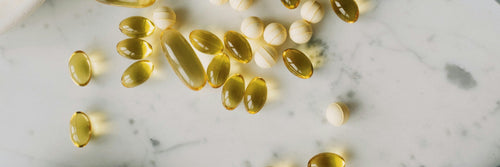
Nitric oxide supplements do not contain nitric oxide itself — NO is a gas that cannot be delivered in pill form. Instead, these supplements provide precursor compounds that the body converts into NO through endogenous biochemical pathways. The most common precursors are L-arginine, L-citrulline, and inorganic nitrates (typically derived from beetroot). These supplements are marketed primarily to athletes, bodybuilders, fitness enthusiasts, and adults seeking cardiovascular support, blood pressure management, or improved erectile function [1][4][5].
Nitric oxide production naturally declines with age, contributing to reduced vascular function, higher blood pressure, and diminished exercise capacity in older adults [4]. It is important to distinguish nitric oxide (NO) from nitrous oxide (N2O, or "laughing gas"), which is a completely different compound used as an anesthetic agent.
Table of Contents
- Overview
- Forms and Bioavailability
- Evidence for Benefits
- Recommended Dosing
- Safety and Side Effects
- Drug Interactions
- Dietary Sources
- References
Overview
NO is synthesized by three main NOS isoforms. Endothelial NOS (eNOS/NOS3) is constitutively expressed primarily in endothelial cells lining blood vessels, where it responds to mechanical shear stress and humoral stimuli to produce NO that maintains vascular homeostasis. Neuronal NOS (nNOS/NOS1) is highly expressed in neurons of the central and peripheral nervous systems. Inducible NOS (iNOS/NOS2) is induced in macrophages, leukocytes, and other immune cells during inflammatory or immune activation, generating much higher NO levels for host defense. All isoforms oxidize the guanidino nitrogen of L-arginine to produce NO and L-citrulline, requiring cofactors such as NADPH, oxygen, tetrahydrobiopterin (BH4), and heme [2][3].
In the cardiovascular system, NO acts as a potent vasodilator. It diffuses from endothelial cells to adjacent vascular smooth muscle cells, where it binds the heme group of soluble guanylate cyclase (sGC), activating the enzyme to catalyze the conversion of guanosine triphosphate (GTP) to cyclic guanosine monophosphate (cGMP). Elevated cGMP activates protein kinase G (PKG), which reduces intracellular calcium, leading to smooth muscle relaxation, decreased vascular tone, and lowered blood pressure. NO also inhibits platelet activation, aggregation, and adhesion to the endothelium, thereby preventing thrombosis and maintaining blood fluidity [2][3].
In the nervous system, NO functions as a nonconventional neurotransmitter and neuromodulator, facilitating anterograde and retrograde signaling, influencing synaptic plasticity, and modulating nerve function in both central and peripheral systems. In the immune system, iNOS-derived NO from macrophages and other immune cells contributes to host defense by exerting cytotoxic effects against pathogens and modulating inflammatory processes [2][3].
Want to Optimize Your Exercise Performance?
Performance depends on more than one supplement. Get a personalized plan covering nutrition, exercise, and recovery with Health Roadmap.
Get Your Personalized Health PlanBeyond these primary roles, NO participates in angiogenesis, wound healing, and regulation of apoptosis, often through classical sGC-cGMP-dependent pathways as well as non-classical mechanisms including S-nitrosylation of protein thiols, which alters protein function in a manner analogous to phosphorylation [2][3]. The age-related decline in NO production has driven increasing interest in supplementation among older populations, with retail data showing sales to customers aged 65-80 rising 27% between 2020 and 2022 [4].
Forms and Bioavailability
Nitric oxide supplements primarily contain precursors that support the body's production of NO through distinct biochemical pathways. The three main categories — L-arginine, L-citrulline, and beetroot-derived nitrates — differ substantially in their mechanisms of action, bioavailability, onset of effects, and evidence base.
Biochemical Pathways
The L-arginine-NOS pathway: L-arginine, a semi-essential amino acid, is the direct substrate for nitric oxide synthase enzymes. NOS catalyzes the oxidation of L-arginine to produce NO and L-citrulline as a byproduct. This reaction is oxygen-dependent and requires multiple cofactors including NADPH, tetrahydrobiopterin (BH4), and heme [1][2].
The citrulline-arginine recycling pathway: L-citrulline contributes indirectly by serving as a precursor for L-arginine regeneration. L-citrulline is converted to L-arginine via two key enzymes: argininosuccinate synthase (ASS), which condenses L-citrulline with aspartate to form argininosuccinate using ATP, and argininosuccinate lyase (ASL), which cleaves argininosuccinate to yield L-arginine and fumarate. This recycling pathway sustains local L-arginine availability, particularly in endothelial cells, and is more efficient than direct L-arginine supplementation because L-citrulline bypasses hepatic first-pass metabolism and arginase degradation [1][6].
The nitrate-nitrite-NO pathway: Dietary nitrates, such as those from beetroot, undergo conversion to NO via a NOS-independent pathway. Ingested nitrate is absorbed into the bloodstream and actively concentrated in saliva by salivary glands. Facultative anaerobic bacteria on the tongue surface reduce nitrate to nitrite using nitrate reductase. Swallowed nitrite is partly converted to NO in the acidic stomach environment, while the remainder enters circulation and is further reduced to NO in tissues, especially under hypoxic (low-oxygen) conditions where this pathway becomes more active [1][2].
Comparison of Precursor Forms
| Form | Typical Dose | Bioavailability | Onset | Primary Uses | Key Advantage |
|---|---|---|---|---|---|
| L-Arginine | 3-6 g/serving | Low (significant first-pass hepatic metabolism) | 30-60 min | Blood pressure, erectile function, exercise | Direct NOS substrate; most evidence for erectile function |
| L-Citrulline | 3-6 g pure; 6-8 g as citrulline malate | Superior (bypasses hepatic metabolism) | 45-90 min | Exercise performance, blood pressure, vascular function | Better bioavailability than L-arginine; fewer GI side effects |
| Beetroot-derived Nitrates | 300-600 mg nitrate (~5-10 mmol) | High (depends on oral microbiome) | 2-3 hours | Blood pressure, endurance exercise, vascular health | Strongest evidence for BP reduction; NOS-independent pathway |
L-Arginine
L-arginine is the most widely included amino acid in "nitric oxide" supplements, often in standalone form or combined with other compounds such as alpha-ketoglutarate. However, L-arginine has relatively poor oral bioavailability for NO production because it undergoes significant first-pass metabolism in the gut and liver, where the enzyme arginase rapidly breaks it down before it can be used by NOS in endothelial cells [1][4][6]. This is known as the "arginine paradox" — despite normal plasma arginine levels being well above the Km of eNOS, supplemental arginine can still sometimes enhance NO production, possibly through effects on cellular arginine pools or competition with endogenous NOS inhibitors like asymmetric dimethylarginine (ADMA) [2].
Doses in studies typically range from 1.5 to 18 g per day. Gastrointestinal side effects (nausea, diarrhea, bloating) become more common above 9-10 g in a single dose [1][4][7].
L-Citrulline
L-citrulline is frequently provided as citrulline malate (a combination with malic acid, approximately 1.76 g citrulline malate per 1 g of L-citrulline) or as pure L-citrulline. L-citrulline has emerged as the preferred arginine-pathway precursor because it bypasses hepatic first-pass metabolism entirely and raises plasma L-arginine levels more effectively and for a longer duration than direct L-arginine supplementation [1][4][6].
A pharmacokinetic study demonstrated that oral L-citrulline produces a more sustained elevation of plasma arginine than an equivalent dose of L-arginine itself, making it the more efficient precursor for endothelial NO production [6]. L-citrulline also causes fewer gastrointestinal side effects than L-arginine at equivalent doses. Common doses range from 3-8 g per day. For acute pre-exercise use, 6-8 g of citrulline malate taken approximately one hour before training is the most common research-backed protocol [1][8].
Beetroot-Derived Nitrates
Beetroot juice and beetroot extract are the most studied dietary nitrate sources. They supply inorganic nitrate that is converted to NO via the nitrate-nitrite-NO pathway, which is completely independent of the NOS enzyme system. This pathway is particularly active under low-oxygen conditions (such as during intense exercise), making it complementary to the NOS-dependent pathway [1][2].
The effectiveness of beetroot-derived nitrate depends on the oral microbiome — antibacterial mouthwashes can abolish the nitrate-to-nitrite conversion step by killing the tongue bacteria responsible for nitrate reduction. Chronic use of chlorhexidine mouthwash has been shown to reduce oral nitrite production and attenuate the blood pressure-lowering effects of dietary nitrate [2]. Typical effective doses provide 300-600 mg of nitrate (~5-10 mmol), with peak plasma nitrite levels occurring 2-3 hours after ingestion [1][9].
Combination Supplementation
Studies on combined supplementation suggest potential synergistic effects. One study found that 3 g/day L-citrulline combined with nitrate-rich beetroot extract (providing ~300 mg nitrate) for 9 weeks produced superior improvements in aerobic power (estimated VO2max), maximal and endurance strength, and running distance compared to either precursor alone [4][10]. The rationale is that the two pathways — NOS-dependent (citrulline/arginine) and NOS-independent (nitrate/nitrite) — can operate complementarily, potentially sustaining NO production across a wider range of physiological conditions.
Nitric oxide supplements are available in multiple delivery formats including capsules, tablets, powders, liquids, lozenges, and chewable gummies. Many products feature combination formulas that blend multiple precursors together, and they are commonly incorporated into pre-workout blends alongside caffeine, creatine, beta-alanine, and other performance ingredients [1][4].
Evidence for Benefits
Blood Pressure
The blood pressure-lowering effect of nitric oxide precursors is among the best-supported benefits, with the strongest evidence for beetroot-derived nitrates and L-arginine.
Beetroot-Derived Nitrates and Blood Pressure: A systematic review of 11 randomized controlled trials involving 310 participants found that beetroot juice supplementation reduces systolic blood pressure (SBP) more consistently than diastolic blood pressure (DBP), with acute reductions in SBP ranging from 4 to 22 mmHg and chronic interventions (2 weeks or longer) producing SBP decreases of 4-10 mmHg in hypertensive individuals [11]. Another meta-analysis focused specifically on patients with arterial hypertension, including 7 studies and 218 participants, reported a pooled SBP reduction of 4.95 mmHg (95% CI: -8.88 to -1.01), although DBP was not significantly affected (-0.90 mmHg, 95% CI: -3.16 to 1.36) [12]. These effects are attributed to the nitrate-nitrite-nitric oxide pathway and appear dose-dependent.
L-Arginine and Blood Pressure: A 2022 dose-response meta-analysis of 22 randomized clinical trials found significant reductions from L-arginine supplementation in SBP (weighted mean difference -6.40 mmHg, 95% CI: -8.74 to -4.05) and DBP (-2.64 mmHg, 95% CI: -3.94 to -1.40), with benefits observed across both normotensive and hypertensive populations, various durations, and doses of 4 g/day or above [13]. Subgroup analyses indicated consistent effects in most groups, though higher doses (>9 g/day) or longer durations (>24 days) did not always yield additional benefits, suggesting a ceiling effect.
L-Citrulline and Blood Pressure: Evidence for L-citrulline alone is more limited and mixed compared to nitrate and L-arginine sources. Some studies show reductions, but fewer comprehensive meta-analyses are available. However, given L-citrulline's superior bioavailability in raising plasma arginine levels, it remains a reasonable option for blood pressure support, particularly in individuals who experience gastrointestinal intolerance with higher-dose L-arginine.
Older Adults and Combined Supplementation: In older adults, a combination approach using 6 g citrulline plus dietary nitrate daily has been tested chronically with blood pressure reductions observed [4]. Studies using an L-arginine/L-citrulline blend (5.2 g total) in elderly cyclists (aged 50-73) demonstrated improved exercise tolerance, which may partly reflect improved blood pressure regulation during exercise [14].
Overall, meta-analyses support modest but clinically relevant blood pressure reductions from NO precursor supplements. The magnitude of reduction (approximately 4-6 mmHg SBP) is clinically meaningful — epidemiological data suggest that a 5 mmHg reduction in SBP is associated with approximately 10% lower risk of major cardiovascular events.
Exercise Performance and Recovery
Evidence for exercise performance enhancement varies considerably by precursor type, exercise modality, and training status of the individual.
Dietary Nitrate (Beetroot): Dietary nitrate supplementation, typically provided as beetroot juice in doses of approximately 5-9 mmol (300-560 mg nitrate), shows the most consistent benefits for endurance exercise performance, particularly in submaximal and time-to-exhaustion tasks lasting 10-17 minutes. Meta-analyses and systematic reviews indicate enhancements in exercise tolerance, reduced oxygen consumption during submaximal efforts (improved exercise economy), and improved time to exhaustion, with improvements ranging from 4-25% [9][15]. These benefits are more pronounced in recreationally active or less-trained individuals than in elite athletes [9][15].
For resistance exercise, dietary nitrate shows potential small improvements in maximal power and repetitions to failure in dynamic exercises like bench press and squat. Some meta-analyses report average gains of around 5% in power metrics, but many individual studies find no significant effects on maximal strength [9].
Recovery benefits are also supported: nitrate-rich beetroot juice has been shown to accelerate recovery of countermovement jump performance (standardized mean difference up to 1.32 at 72 hours post-exercise) and maximal isometric voluntary contraction (SMD 0.54 at 72 hours), while significantly reducing muscle soreness at 48 hours (SMD 0.56-0.72) and 72 hours post-exercise [16].
L-Citrulline and Citrulline Malate: Acute L-citrulline malate supplementation (typically 8 g taken one hour before exercise) has been associated with increased repetitions to failure in high-volume resistance training, enhanced peak power output in some anaerobic tests, and reduced rating of perceived exertion, though results vary by protocol and population [8][9]. L-citrulline supplementation has also been linked to lower post-exercise muscle soreness and perceived exertion at 24-48 hours, potentially delaying fatigue during training [8][16].
L-Arginine: L-arginine generally shows minimal to no benefits for strength, power, or exercise performance outcomes in well-controlled studies. A 2009 study of well-trained male athletes found that 6 grams of L-arginine supplementation for three days raised serum arginine levels but had no effect on nitric oxide production or intermittent anaerobic exercise performance [17]. A 2011 study of eight healthy young men found no evidence that a beverage containing 10 grams of L-arginine improved blood flow to muscles or did anything to speed muscle recovery after weight lifting [18]. A 2010 study testing three different commercially available "nitric oxide" supplements found that none significantly improved weight-lifting performance or muscle "pump" in resistance-trained men [19].
However, L-arginine may benefit certain subpopulations. A 2010 UCLA study found that a supplement containing 5.2 grams of an L-arginine and L-citrulline blend increased the time that older male cyclists (aged 50-73) could work out before reaching the anaerobic threshold [14]. Another 2010 study found that a beverage containing 6 grams of L-arginine improved stamina in healthy, recreationally active men, permitting approximately two extra minutes of intense exercise before exhaustion compared to placebo [20].
Training Status Matters: A consistent finding across precursors is that benefits are more pronounced in untrained or recreationally active individuals than in highly trained or elite athletes. This likely reflects the fact that regular exercise itself upregulates eNOS expression and NO production, so well-trained individuals may already have near-optimal endothelial function [4][9][15].
Summary Table: Exercise Evidence by Precursor
| Precursor | Endurance | Resistance/Power | Recovery/Soreness | Best Evidence In |
|---|---|---|---|---|
| Beetroot Nitrate | Strong | Weak-Moderate | Strong | Recreationally active; submaximal endurance |
| L-Citrulline/CM | Moderate | Moderate | Moderate | High-volume resistance training |
| L-Arginine | Weak | Weak | Weak | Older or untrained adults |
Erectile Function
Nitric oxide plays a central role in penile erection by relaxing vascular smooth muscle in the corpus cavernosum, which allows increased blood flow and engorgement. The evidence for NO precursors in erectile dysfunction (ED) centers primarily on L-arginine and L-citrulline.
L-Arginine for Erectile Dysfunction: A 2019 systematic review and meta-analysis of 10 randomized controlled trials involving 540 participants found that L-arginine supplementation at doses ranging from 1,500 to 5,000 mg daily significantly improved erectile dysfunction compared to placebo or no treatment, with an odds ratio of 3.37 (95% CI: 1.29-8.77). The analysis reported improvements in International Index of Erectile Function (IIEF) subdomain scores for erectile function, orgasmic function, intercourse satisfaction, and overall satisfaction, but not sexual desire. No severe adverse effects were noted [21].
A 2022 multicenter, double-blind, randomized, placebo-controlled trial examined high-dose L-arginine (6 g/day for 3 months) in 98 men with vasculogenic erectile dysfunction. The intervention significantly increased IIEF-6 scores (from median 20 to 24) and cavernous artery peak systolic velocity, with 74% of participants showing category improvement in ED severity. Benefits were more pronounced in mild-to-moderate cases, with limited changes in severe ED [22].
Several studies also suggest that L-arginine supplements may be helpful in people with cardiovascular conditions such as angina or atherosclerosis — conditions that share underlying endothelial dysfunction with ED [1].
L-Citrulline for Erectile Dysfunction: L-citrulline has shown promise due to its superior bioavailability compared to L-arginine. A 2011 single-blind trial in 24 men with mild erectile dysfunction found that 1.5 g/day of oral L-citrulline for 1 month improved erection hardness score from 3 (mild ED) to 4 (normal function) in 50% of participants, compared to 8.3% during the placebo phase. Intercourse frequency increased significantly, with high treatment satisfaction and no reported adverse events. The study concluded L-citrulline is safe and well-tolerated but less potent than phosphodiesterase type 5 (PDE5) inhibitors for short-term use [23].
Beetroot-Derived Nitrates for Erectile Function: Limited data exist on beetroot-derived nitrates for erectile dysfunction specifically, with research focusing more on their cardiovascular effects. Given the shared nitric oxide-mediated mechanism, dietary nitrate may contribute to erectile function through improved vascular health, but direct evidence is lacking [4].
While NO precursors demonstrate potential as adjunctive options for mild to moderate erectile dysfunction — particularly in patients seeking alternatives to prescription medications — they should not be viewed as substitutes for established treatments (PDE5 inhibitors) in moderate-to-severe ED.
Cardiovascular Health (Beyond Blood Pressure)
Nitric oxide supplements are purported to support broader cardiovascular health by enhancing endothelial function, reducing arterial stiffness, and improving vascular compliance.
Endothelial function: NO precursor supplementation has been shown to improve flow-mediated dilation (FMD), a validated measure of endothelial function. Improved endothelial function supports better regulation of blood flow, prevents adhesion of platelets and inflammatory cells, and maintains overall vascular integrity [2][4].
Arterial stiffness: By improving vascular compliance and endothelial health, NO precursors may help maintain flexible arteries and support efficient blood circulation. This is particularly relevant for older adults, in whom arterial stiffness is a major contributor to isolated systolic hypertension and cardiovascular risk [4].
Anti-platelet effects: NO inhibits platelet activation, aggregation, and adhesion to the endothelium, thereby contributing to the prevention of thrombosis and maintaining blood fluidity [2][3].
Important caution — L-arginine after heart attack: L-arginine supplementation may increase the risk of death in patients recovering from a heart attack. This finding from clinical trials represents a serious contraindication, and L-arginine supplements should be avoided in the post-myocardial infarction period [1][7].
Cognitive Function
Preliminary research has explored whether boosting nitric oxide bioavailability — particularly through dietary nitrate precursors such as beetroot juice — might influence cognitive health. The proposed mechanism involves nitric oxide-dependent neurovascular coupling, which regulates cerebral blood flow to meet neuronal demands and may help counteract age-related dysregulation linked to cognitive decline or conditions such as Alzheimer's disease [4][24].
Dietary nitrate supplementation has been hypothesized to improve cognition by enhancing cerebral perfusion in areas recruited during cognitive tasks. However, evidence from studies on beetroot juice remains preliminary and inconsistent, with outcomes influenced by intervention duration, participant health status, and specific cognitive domains assessed [24]. Clinical trial evidence does not yet support recommending NO supplements specifically for cognitive enhancement.
Immune Function
Endogenous nitric oxide, produced by inducible NOS (iNOS) in activated macrophages and other immune cells, plays a well-established role in host defense against bacteria, viruses, and other pathogens. Preliminary research has explored whether boosting NO bioavailability through dietary nitrate supplementation might influence resistance to respiratory infections. Proposed mechanisms include direct antiviral effects (such as inhibiting viral replication via S-nitrosylation), enhanced mucociliary clearance, and increased fractional exhaled nitric oxide levels [25]. However, these suggestions remain hypothetical, and no strong clinical evidence demonstrates improved resistance to viral respiratory infections from supplementation [25].
Female Sexual Health
Less commonly, nitric oxide boosters have been explored for female sexual arousal, with the rationale that improved genital blood flow may support engorgement, lubrication, and overall arousal response through similar vasodilatory mechanisms as in male erectile function [4]. However, clinical evidence in this area is extremely limited and no firm recommendations can be made.
Recommended Dosing
L-Arginine
- General cardiovascular support / blood pressure: 3-6 g per day, divided into 2-3 doses [1][13]
- Erectile dysfunction: 1.5-6 g per day; the 2022 RCT showing category improvement in ED severity used 6 g/day for 3 months [21][22]
- Exercise performance: 6 g taken before exercise, though evidence for ergogenic benefit in trained individuals is weak [17][20]
- Upper range in studies: Up to 15-18 g/day in divided doses, though GI side effects increase substantially above 9-10 g in a single dose [1][7]
- Minimum effective dose for blood pressure: 4 g/day or above, based on meta-analysis subgroup data [13]
L-Citrulline
- Exercise performance (acute pre-workout): 6-8 g of citrulline malate approximately one hour before exercise [8][9]
- Chronic circulatory/vascular support: 3-6 g per day of pure L-citrulline (e.g., 2 g three times daily with meals) [4][8]
- Erectile dysfunction: 1.5 g per day showed benefit in mild ED [23]
- Older adults: Start with lower doses (1-3 g) and increase gradually; studies have used 6 g/day with benefits for lower limb blood flow in adults aged approximately 70 years [4]
- Note on citrulline malate conversion: Approximately 1.76 g citrulline malate provides 1 g of L-citrulline [8]
Beetroot-Derived Nitrates
- Blood pressure: 300-600 mg nitrate per day (~5-10 mmol), either as beetroot juice concentrate or extract [11][12]
- Endurance exercise performance: 300-560 mg nitrate (~5-9 mmol), taken 2-3 hours before exercise [9][15]
- Chronic use for vascular health: Same dose range taken daily, with sustained benefits observed over weeks [11]
- Older adults: 300-520 mg/day (~5-8 mmol) has shown benefits for blood pressure, exercise performance, and vascular function in adults over 60 [4]
Timing Considerations
- L-Arginine: Take 30-60 minutes before exercise if using for performance; divide throughout the day for cardiovascular use
- L-Citrulline/Citrulline Malate: Take approximately 1 hour before exercise for acute performance benefits; effects peak at 45-90 minutes post-ingestion [4][8]
- Beetroot Nitrate: Take 2-3 hours before exercise for optimal performance benefit, as plasma nitrite levels peak at this interval [9][15]
- Chronic regimens: Take consistently at the same times daily for sustained effects on blood pressure and vascular function
Considerations for Older Adults
Nitric oxide production naturally declines with age, making supplementation strategies potentially more relevant for older adults. However, safety considerations are paramount given the higher prevalence of medications and comorbidities [4].
- L-Citrulline is often preferred over L-arginine due to superior bioavailability and fewer gastrointestinal side effects [4]
- Start with low doses (e.g., 1-3 g citrulline or 500-1,000 mg arginine) and titrate upward
- Divide doses throughout the day rather than taking large single doses
- Use chronically (weeks to months) for sustained benefits rather than relying on acute dosing alone
- Monitor blood pressure regularly, especially if taking antihypertensive medications
- Consult a healthcare provider before starting, particularly with medications or conditions affecting blood pressure or kidneys [4][7]
Label Reading and Quality
The supplement industry has documented quality concerns. A 2023 study published in JAMA Network Open analyzed 57 sports supplements and found that nearly 90% were inaccurately labeled, with 40% containing no detectable amount of at least one claimed ingredient [26]. Many "nitric oxide booster" products use proprietary blends that do not disclose individual ingredient amounts.
- Select products that list actual amounts of each ingredient (not proprietary blends)
- Look for third-party certification (NSF Certified for Sport, Informed-Sport, or USP Verified)
- Verify that the dose of the active precursor matches the research-supported range
- Be wary of products claiming to contain "nitric oxide" — they contain precursors, not NO itself
Safety and Side Effects
Common Side Effects
Nitric oxide supplements are generally well-tolerated at recommended doses, but side effects can occur, particularly at higher intakes [1][4][7].
Gastrointestinal issues are the most frequently reported side effects across all precursor types. These include nausea, diarrhea, bloating, stomach pain, and heartburn. Such symptoms are often dose-dependent, with higher intakes of L-arginine (typically above 9-10 g per day) more likely to provoke gut discomfort [1][7].
Headaches are commonly experienced, likely attributable to the blood vessel dilation induced by increased nitric oxide production [4][7].
Low blood pressure (hypotension) may manifest as dizziness or lightheadedness, particularly in individuals sensitive to hypotensive changes or those already taking antihypertensive medications [4][7].
Beetroot-specific effects: Beetroot-derived nitrate supplements may cause harmless red discoloration of urine (beeturia) or stool. This is not a safety concern but can cause alarm if unexpected. Additionally, beetroot is high in oxalates, which may increase the risk of calcium oxalate kidney stones in susceptible individuals [4].
Side Effect Comparison by Precursor
| Side Effect | L-Arginine | L-Citrulline | Beetroot Nitrate |
|---|---|---|---|
| GI distress (nausea, diarrhea) | Common at >9g | Less common | Uncommon |
| Headache | Possible | Possible | Possible |
| Hypotension/dizziness | Possible | Possible | Possible |
| Urine/stool discoloration | No | No | Yes (harmless) |
| Kidney stone risk | No | No | Possible (oxalates) |
Serious Risks and Contraindications
Post-heart attack: L-arginine supplementation may increase the risk of death and adverse cardiac events in patients recovering from a heart attack. This is a serious contraindication supported by clinical trial data [1][7].
Herpes simplex virus: Individuals with a history of herpes simplex virus infections (cold sores or genital herpes) should avoid L-arginine-containing supplements, as excess L-arginine may promote viral reactivation and trigger outbreaks [1][7].
Hypotension: People with already low blood pressure should not take these supplements, as they can further reduce blood pressure through vasodilation [1][7].
Pre-surgery: These supplements should be discontinued at least two weeks before scheduled surgery, as they may interfere with blood pressure regulation during the procedure [7].
Kidney disease: L-arginine may cause electrolyte imbalances or irregular heart rhythms in individuals with kidney disease. Beetroot-derived nitrates pose an additional concern due to high oxalate content [4][7].
Cirrhosis: L-arginine may worsen liver function in individuals with cirrhosis [7].
Asthma: L-arginine-containing supplements may worsen asthma symptoms or allergic reactions in some individuals [7].
Rare genetic disorders: Guanidinoacetate methyltransferase (GAMT) deficiency renders nitric oxide supplements unsafe due to metabolic disruptions [1][7].
Kidney Function and Creatinine Levels
The effects of NO precursors on kidney function markers deserve specific attention [4]:
- L-Arginine can lead to an apparent increase in measured serum creatinine due to enhanced tubular secretion — this is often an analytical artifact rather than true kidney impairment (confirmed by stable cystatin C in some studies).
- L-Citrulline shows neutral or potentially protective effects on renal markers, with no evidence of raising creatinine in healthy users.
- Beetroot-derived nitrates are typically neutral or beneficial for kidney markers, though high oxalate content may increase kidney stone risk in susceptible individuals.
Overall, routine use at recommended doses shows no detrimental effects on kidney function in healthy people. Monitoring via cystatin C is advisable for those with pre-existing renal concerns.
Special Populations
Pregnancy and breastfeeding: Insufficient evidence exists to establish the safety of NO precursor supplements. Consult a healthcare provider before use.
Children and adolescents: These supplements are marketed to adults and have not been adequately studied in pediatric populations.
Older adults: While potentially beneficial for age-related vascular decline, older adults should start with lower doses and monitor blood pressure carefully, given the higher prevalence of polypharmacy and cardiovascular comorbidities [4].
Drug Interactions
Nitric oxide supplements containing precursors such as L-arginine, L-citrulline, and beetroot-derived nitrates may interact with several classes of medications, primarily through their vasodilatory effects.
Blood Pressure-Related Interactions
| Drug Class | Examples | Interaction | Clinical Implication |
|---|---|---|---|
| Antihypertensive drugs | ACE inhibitors, ARBs, calcium channel blockers, beta-blockers | Additive blood pressure lowering | Monitor blood pressure closely; may cause excessive hypotension [4][7] |
| Nitrates | Nitroglycerin, isosorbide mononitrate | Enhanced vasodilation | L-arginine may potentiate vasodilatory actions; increased risk of severe hypotension [7] |
| PDE5 inhibitors | Sildenafil (Viagra), tadalafil (Cialis) | Additive NO/cGMP pathway activation | Many tolerate the combination, but risk of excessive hypotension exists [4][7] |
| Diuretics | Furosemide, hydrochlorothiazide | Additive blood pressure lowering | Monitor for hypotension, especially at initiation [7] |
Other Interactions
| Drug/Condition | Interaction | Clinical Implication |
|---|---|---|
| Diabetes medications | Potential additive blood glucose lowering | Monitor blood glucose more frequently [7] |
| Anticoagulants and antiplatelets | NO has intrinsic anti-platelet effects | Theoretical increased bleeding risk; monitor if combining [2][3] |
| Herpes antivirals | L-arginine promotes HSV replication | May counteract antiviral therapy; avoid L-arginine in active HSV [7] |
| Potassium-sparing diuretics | L-arginine may affect electrolyte balance | Risk of hyperkalemia in renal impairment [7] |
| Chlorhexidine mouthwash | Kills oral bacteria for nitrate-to-nitrite conversion | May negate benefits of beetroot-derived nitrate supplements [2] |
Practical Recommendations
- Consult a healthcare provider before starting NO supplements if taking any prescription medications, particularly blood pressure medications, nitrates, or PDE5 inhibitors
- If combining NO supplements with antihypertensives, start with the lowest supplement dose and monitor blood pressure at home
- Discontinue NO supplements at least 2 weeks before scheduled surgery
- Avoid chlorhexidine mouthwash if relying on beetroot-derived nitrate supplements for cardiovascular benefit
- Report any symptoms of excessive blood pressure lowering (dizziness, lightheadedness, fainting) to a healthcare provider immediately
Dietary Sources
While supplements provide concentrated doses of NO precursors, several dietary sources naturally support nitric oxide production. These fall into two categories: foods rich in L-arginine (the NOS pathway substrate) and foods rich in inorganic nitrate (the nitrate-nitrite-NO pathway).
Nitrate-Rich Foods
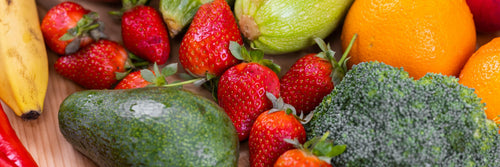
The nitrate-nitrite-NO pathway can be supported through dietary sources without supplementation. Vegetables are the richest source of dietary nitrate, accounting for approximately 60-80% of total intake in a typical Western diet.
| Food | Serving | Nitrate Content | Notes |
|---|---|---|---|
| Rocket (arugula) | 100 g | ~480 mg | Among the highest nitrate vegetables [9] |
| Beetroot (raw) | 100 g | ~250 mg | The most studied dietary nitrate source [9] |
| Spinach | 100 g | ~250 mg | Also high in magnesium and other minerals |
| Lettuce (various) | 100 g | ~100-250 mg | Varies by variety; darker varieties tend to be higher |
| Celery | 100 g | ~100-150 mg | Traditional food remedy for blood pressure |
| Radish | 100 g | ~100 mg | Also provides other bioactive compounds |
| Turnip | 100 g | ~100 mg | Root vegetables generally moderate in nitrate |
| Bok choy | 100 g | ~100 mg | Cruciferous vegetables are moderate sources |
| Beetroot juice (concentrated) | 70 mL shot | ~300-400 mg | Equivalent to approximately 5-6 mmol nitrate [9] |
L-Arginine-Rich Foods
L-arginine is a semi-essential amino acid found in most protein-rich foods. The body also synthesizes L-arginine endogenously (primarily in the kidneys from L-citrulline), so healthy adults rarely develop true arginine deficiency.
| Food | Serving | L-Arginine (g) |
|---|---|---|
| Turkey breast | 100 g | ~1.7 g |
| Pork loin | 100 g | ~1.6 g |
| Chicken breast | 100 g | ~1.5 g |
| Pumpkin seeds | 28 g (1 oz) | ~1.3 g |
| Soybeans (roasted) | 28 g (1 oz) | ~1.2 g |
| Peanuts | 28 g (1 oz) | ~1.0 g |
| Lentils (cooked) | 1 cup | ~1.3 g |
| Salmon | 100 g | ~1.2 g |
| Chickpeas (cooked) | 1 cup | ~1.3 g |
| Dairy (milk, yogurt) | 1 cup | ~0.2-0.4 g |
L-Citrulline-Rich Foods
L-citrulline is naturally found in relatively few foods, with watermelon being the richest dietary source.
| Food | Serving | L-Citrulline (mg) |
|---|---|---|
| Watermelon (flesh) | 1 cup (154 g) | ~250 mg |
| Watermelon rind | 100 g | ~500 mg (higher than flesh) |
| Cucumber | 100 g | ~10-15 mg |
| Pumpkin | 100 g | Trace amounts |
Note: The amount of L-citrulline in dietary sources is far below the doses used in clinical trials (3-8 g), making supplementation the only practical way to achieve research-supported intakes.
Practical Dietary Strategies
- Consume nitrate-rich vegetables daily: A diet rich in leafy greens and beetroot can provide 300-400 mg of dietary nitrate per day, approaching the dose used in supplementation studies [9]
- Avoid antibacterial mouthwash if relying on dietary nitrate for cardiovascular benefit, as it destroys the oral bacteria needed for nitrate-to-nitrite conversion [2]
- Include protein at each meal to ensure adequate dietary L-arginine intake; most adults consuming sufficient protein will obtain 5-7 g of L-arginine per day from food alone
- The Mediterranean and DASH diets are naturally high in both nitrate (from vegetables) and L-arginine (from legumes, nuts, fish), and have robust evidence for cardiovascular protection — potentially mediated in part through enhanced NO production
- Cooking reduces nitrate content: Raw or lightly cooked vegetables retain more nitrate than heavily boiled vegetables; steaming and roasting are preferable preparation methods
Want to Optimize Your Exercise Performance?
Performance depends on more than one supplement. Get a personalized plan covering nutrition, exercise, and recovery with Health Roadmap.
Get Your Personalized Health PlanReferences
1. ConsumerLab. "Nitric Oxide Supplements Review." Accessed 2026. https://www.consumerlab.com/reviews/nitric-oxide-supplements-review/nitric-oxide/
2. Forstermann U, Sessa WC. "Nitric oxide synthases: regulation and function." Eur Heart J. 2012;33(7):829-837. https://doi.org/10.1093/eurheartj/ehr304
3. Lundberg JO, Weitzberg E, Gladwin MT. "The nitrate-nitrite-nitric oxide pathway in physiology and therapeutics." Nat Rev Drug Discov. 2008;7(2):156-167. https://doi.org/10.1038/nrd2466
4. Grokipedia. "Nitric oxide supplements." https://grokipedia.com/page/Nitric_oxide_supplements
5. Nitric oxide (inhalation route) — Side effects & uses. Mayo Clinic. https://www.mayoclinic.org/drugs-supplements/nitric-oxide-inhalation-route/side-effects/drg-20064772
6. Schwedhelm E, Maas R, Freese R, et al. "Pharmacokinetic and pharmacodynamic properties of oral L-citrulline and L-arginine: impact on nitric oxide metabolism." Br J Clin Pharmacol. 2008;65(1):51-59. https://doi.org/10.1111/j.1365-2125.2007.02990.x
7. L-arginine — Uses, side effects, and more. WebMD. https://www.webmd.com/vitamins/ai/ingredientmono-875/l-arginine
8. Trexler ET, Keith DS, Schwartz TA, et al. "Effects of Citrulline Malate Supplementation on Exercise Performance and Recovery: A Systematic Review." J Sport Health Sci. 2019;8(5):401-414. https://doi.org/10.1016/j.jshs.2019.04.005
9. Jones AM. "Dietary Nitrate Supplementation and Exercise Performance." Sports Med. 2014;44(Suppl 1):S35-S45. https://doi.org/10.1007/s40279-014-0149-y
10. Gonzalez AM, Townsend JR, Pinzone AG, Hoffman JR. "Supplementation with Nitric Oxide Precursors for Strength Performance: A Review of the Current Literature." Nutrients. 2023;15(3):660. https://doi.org/10.3390/nu15030660
11. Bahadoran Z, Mirmiran P, Kabir A, et al. "Dietary Nitrate from Beetroot Juice for Hypertension: A Systematic Review." Biomolecules. 2021;11(6):848. https://doi.org/10.3390/biom11060848
12. Bonilla Ocampo DA, Paipilla AF, Marin E, et al. "Nitrate Derived From Beetroot Juice Lowers Blood Pressure in Patients With Arterial Hypertension: A Systematic Review and Meta-Analysis." Front Nutr. 2018;5:76. https://doi.org/10.3389/fnut.2018.00076
13. Khalaf D, Kruger M, Fallatah O, et al. "Effect of L-Arginine Supplementation on Blood Pressure in Adults: A Dose-Response Meta-Analysis of Randomized Clinical Trials." Clin Nutr ESPEN. 2022;51:187-197. https://doi.org/10.1016/j.clnesp.2022.08.001
14. Chen S, Kim W, Henning SM, et al. "Arginine and antioxidant supplement on performance in elderly male cyclists: a randomized controlled trial." J Int Soc Sports Nutr. 2010;7:13. https://doi.org/10.1186/1550-2783-7-13
15. McMahon NF, Leveritt MD, Pavey TG. "The Effect of Dietary Nitrate Supplementation on Endurance Exercise Performance in Healthy Adults: A Systematic Review and Meta-Analysis." Sports Med. 2017;47(4):735-756. https://doi.org/10.1007/s40279-016-0617-7
16. Clifford T, Bell O, West DJ, et al. "The Effect of Nitrate-Rich Beetroot Juice on Markers of Exercise-Induced Muscle Damage: A Systematic Review and Meta-Analysis of Human Intervention Trials." J Diet Suppl. 2021;18(5):548-573. https://doi.org/10.1080/19390211.2020.1796426
17. Liu TH, Wu CL, Chiang CW, et al. "No effect of short-term arginine supplementation on nitric oxide production, metabolism and performance in intermittent exercise in athletes." J Nutr Biochem. 2009;20(6):462-468. https://doi.org/10.1016/j.jnutbio.2008.05.005
18. Tang JE, Lysecki PJ, Manolakos JJ, et al. "Bolus arginine supplementation affects neither muscle blood flow nor muscle protein synthesis in young men at rest or after resistance exercise." J Nutr. 2011;141(2):195-200. https://doi.org/10.3945/jn.110.130138
19. Bloomer RJ, Farney TM, Trepanowski JF, et al. "Comparison of pre-workout nitric oxide stimulating dietary supplements on skeletal muscle oxygen saturation, blood nitrate/nitrite, lipid peroxidation, and upper body exercise performance in resistance trained men." J Int Soc Sports Nutr. 2010;7:16. https://doi.org/10.1186/1550-2783-7-16
20. Bailey SJ, Winyard PG, Vanhatalo A, et al. "Acute L-arginine supplementation reduces the O2 cost of moderate-intensity exercise and enhances high-intensity exercise tolerance." J Appl Physiol. 2010;109(5):1394-1403. https://doi.org/10.1152/japplphysiol.00503.2010
21. Rhim HC, Kim MS, Park YJ, et al. "The Potential Role of Arginine Supplements on Erectile Dysfunction: A Systemic Review and Meta-Analysis." J Sex Med. 2019;16(2):223-234. https://doi.org/10.1016/j.jsxm.2018.12.002
22. Menafra D, de Angelis C, Garifalos F, et al. "Long-term high-dose L-arginine supplementation in patients with vasculogenic erectile dysfunction: a multicentre, double-blind, randomized, placebo-controlled clinical trial." J Endocrinol Invest. 2022;45(11):2171-2180. https://doi.org/10.1007/s40618-022-01862-w
23. Cormio L, De Siati M, Lorusso F, et al. "Oral L-citrulline supplementation improves erection hardness in men with mild erectile dysfunction." Urology. 2011;77(1):119-122. https://doi.org/10.1016/j.urology.2010.08.028
24. Shannon OM, Duckworth L, Barlow MJ, et al. "Dietary nitrate supplementation and cognitive health: the nitric oxide-dependent neurovascular coupling hypothesis." Mech Ageing Dev. 2018;174:76-82. https://doi.org/10.1016/j.mad.2017.07.007
25. Derella CC, Thomas C, Gaspari V, et al. "Boosting nitric oxide in stress and respiratory infection: potential relevance for asthma, COPD and COVID-19." Nitric Oxide. 2023;135-136:1-13. https://doi.org/10.1016/j.niox.2023.03.001
26. Cohen PA, Travis JC, Keizers PHJ, et al. "Four Experimental Stimulants Found in Sports and Weight Loss Supplements." JAMA Netw Open. 2023;6(8):e2329992. https://doi.org/10.1001/jamanetworkopen.2023.29992